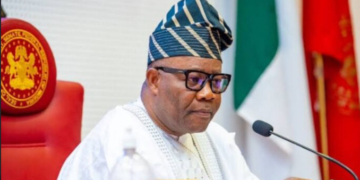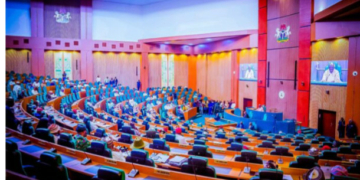

Benue State House of Assembly has intensified efforts to deepen participatory governance as it convened a public hearing on four bills aimed at addressing critical sectors of the state’s development.
Presiding over the Assembly’s plenary yesterday in Makurdi, the state capital, the Speaker, Rt. Hon. Alfred Aondoaver Emberga, represented by his deputy, Rt. Hon. Lami Danladi Lawrence, said the legislative initiative underscored the House’s resolve to enact impactful laws that directly respond to the needs and aspirations of the Benue people.
He explained that the public hearing, coming barely a week after a similar exercise, reflected the Assembly’s consistency in engaging the people in the law-making process.
According to him, the four bills under consideration were pivotal to strengthening governance structures and improving service delivery across the state.
The Chief Press Secretary to the Speaker, Zape Michael Upaa, in a statement, said top among them was a bill seeking to provide free snakebite treatment in government hospitals and establish a control committee to coordinate response mechanisms.
Emberga described snakebite incidents as a silent but deadly challenge in rural communities, particularly among farmers, stressing that the proposed law would eliminate financial barriers to life-saving treatment and institutionalise a structured response system.
According to the statement, a bill proposing the establishment of the Benue State Road Maintenance Agency (BENROMA) was also under review.
“The Assembly is considering a bill to establish the Forestry, Mines and Solid Minerals Management Commission. The fourth bill seeks to repeal and re-enact the Benue State Local Government Law of 2007. The Speaker explained that the proposed legislation is intended to modernise local government administration, strengthen accountability, and align operations at the grassroots level with current legal and administrative realities,” the speaker said.
The Speaker noted that the forum was designed to harvest inputs from a broad spectrum of stakeholders, including traditional rulers, civil society organisations, professionals, and the public.
Emberga, however, assured stakeholders that all memoranda and submissions would be critically reviewed by the relevant standing committees to ensure that the final laws reflect the collective will of the people.
Earlier in his welcome address, Benue State House of Assembly Majority Leader, Sir Thomas Dugeri, emphasised that the public hearing was not merely a procedural requirement but a critical component of democratic governance.
We’ve got the edge. Get real-time reports, breaking scoops, and exclusive angles delivered straight to your phone. Don’t settle for stale news. Join LEADERSHIP NEWS on WhatsApp for 24/7 updates →
Join Our WhatsApp Channel