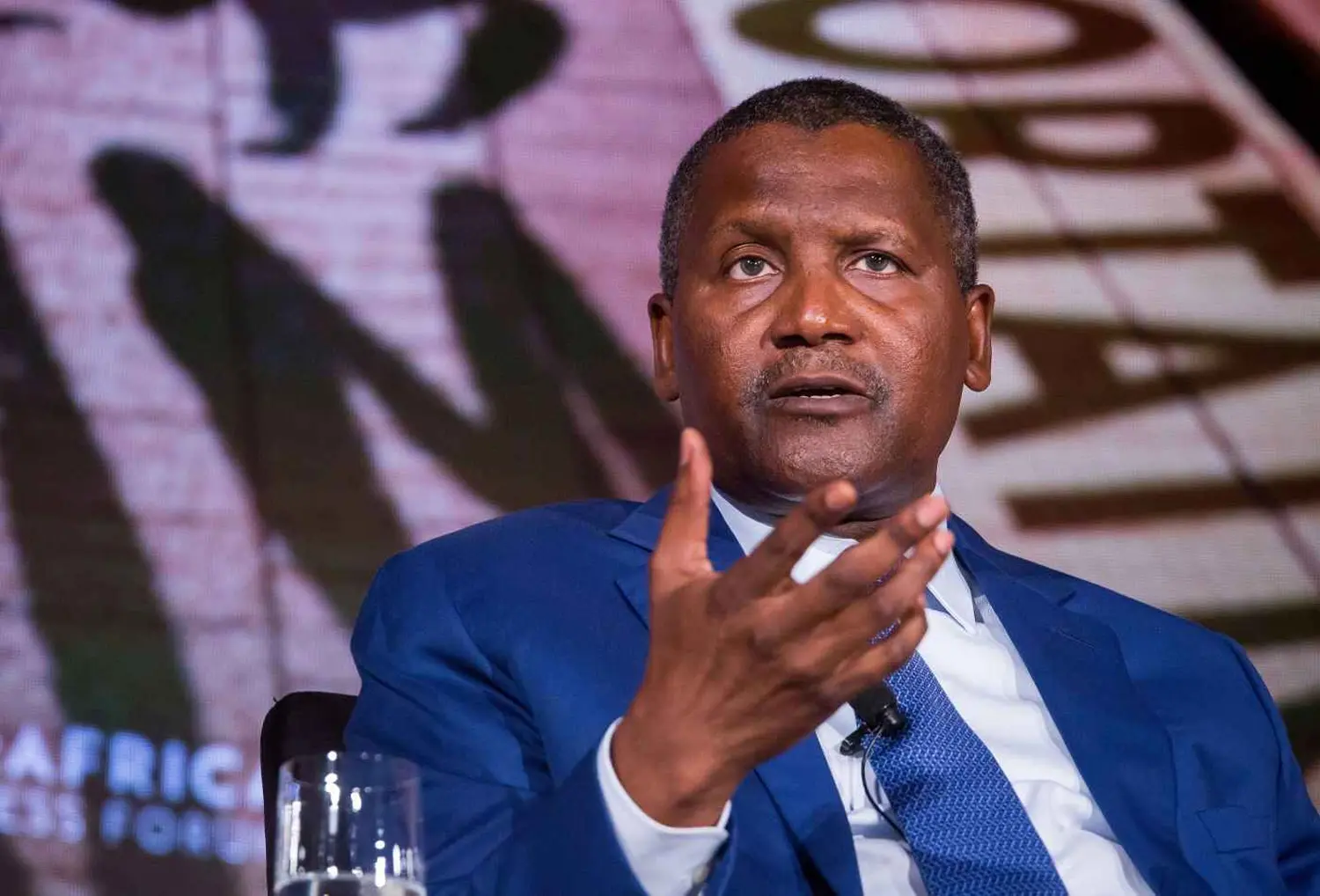
President of the Dangote Group, Aliko Dangote, has warned that ongoing global volatility in the oil and energy sector could hit Nigerians hard, deepening hardship across the country if the situation fails to de-escalate.
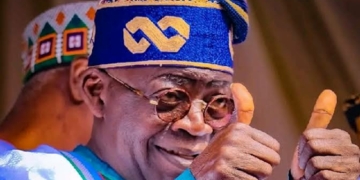
Dangote spoke to journalists after visiting President Bola Ahmed Tinubu at his residence in Lagos on Monday, saying he came to extend Eid greetings, check on the President’s health, and pay his respects.
“I just came to see His Excellency, Mr President, just wish him Eid Mubarak and also ask after his health. I haven’t seen him for a while, and wish him all the very best and pay my respect. That’s what the visit is all about,” he said.
On the President’s recent trip to the United Kingdom and its implications for investment, Dangote said the visit had already begun to open doors for Nigeria.
“I think it has opened ways. Today, diplomacy without its economic component is incomplete. So I believe his visit will open quite a lot of doors and you can see the agreement that was signed for actually improving our infrastructure, especially in the ports and other areas, which is almost £746 million, that’s quite a lot,” he said.
According to him, securing such support reflects growing international confidence in Nigeria.
“It’s not that easy dealing with the British, getting this kind of money out of them. They, too, are struggling on their own. But I think this is to show confidence, it’s not about the money, it’s about the confidence in Nigeria,” Dangote added.
He noted that the development could trigger similar investments from other countries.
“So the moment they do that, there will be other countries that will follow suit. So it’s not the £746 million; we too can do that to any other country and invest. But I think it is something to show appreciation for Mr President’s good work and the infrastructure he has been building, which will help and complement, but there will be other countries that will do the same. Germany will come, others… so they will line up and start coming now. This is supposed to be a win-win situation,” he said.
Dangote also urged Nigerian investors to take advantage of emerging opportunities, particularly access to international credit facilities.
“For Nigerian investors, it has shown that we can also go to the same agency and tap the resources. It means the agency is now open for business with Nigerians, and we will go as private individuals to seek their support. It’s a credit agency, which we haven’t really tapped those resources for a very long time. So I think with what has happened now, it shows that there is capacity for them to fund some of our projects,” he said.
However, he expressed concern over global instability in the oil and energy sector, warning that its effects would be felt across Nigeria and Africa.
“It means quite a lot. We don’t have much to do with it, but you know the world is a global village, and it definitely will affect us, unfortunately. But we pray this situation will be sorted out; it’s not going to escalate. If it doesn’t de-escalate, we’ll end up paying high prices,” he said.
Dangote noted that Africa is already burdened by debt, and additional shocks from global crises could worsen conditions.
“Like what I said earlier on to CNN, if you look at it today, Africa is very busy paying debts and putting this again on top of us is going to add a lot of hardship on the government, on the people, on everybody, for something that we have no, really, any involvement in,” he said.
He explained that rising energy costs could have far-reaching consequences on businesses and daily life.
“If you look at it now, when you talk about energy, energy affects almost everything, and it’s not only energy; some people will try and take a chance and say this is an opportunity, so let me make money,” he said.
He warned that if the crisis persists, costs would continue to rise, while governments may lack the capacity to increase wages.
“So if this thing doesn’t de-escalate, it is going to keep going up and up and up, and governments cannot really now go and add salaries. So people will really feel the heat. People like barbers, people who make bread, people who have industries, who have to fire their own generators,” Dangote said.
Citing global responses, he noted that some countries have already begun adjusting work patterns due to energy pressures.
“I mean, you can see, in some countries today, what they’ve done is ask everybody to work from home because they cannot… I think in Indonesia, or so they said, people only go to work four days a week, and they will look at the situation, if it doesn’t improve, they will ask everybody not to go to work anymore. We did that in the time of COVID-19, where people worked from home,” he said.
He stressed that the situation is particularly dire for many Africans who depend on daily income to survive.
“So I pray, and we all need to pray that this thing de-escalates. If it doesn’t escalate, normally, we in Africa don’t have any reserves in terms of savings or in terms of… people normally go out and look for money for the next day or even for the same day. If they don’t work that day, they won’t eat. So I think really, we just need all hands on deck to pray that this thing comes to an end,” he added.
We’ve got the edge. Get real-time reports, breaking scoops, and exclusive angles delivered straight to your phone. Don’t settle for stale news. Join LEADERSHIP NEWS on WhatsApp for 24/7 updates →
Join Our WhatsApp Channel