
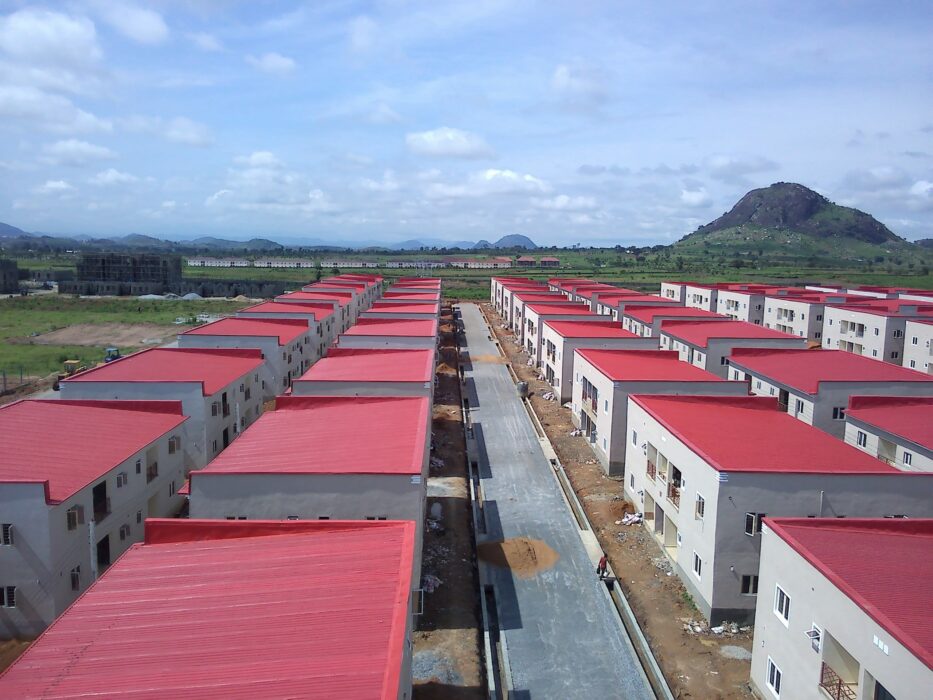
Real estate developers in Nigeria have renewed their call for stronger government support and collaboration to tackle the nation’s growing housing deficit, particularly in Lagos, widely regarded as the country’s commercial nerve centre.
The chairman of the Real Estate Developers Association of Nigeria (REDAN), Ogun State Chapter, Dr Adeniyi Adeyemi, made the appeal during the unveiling of three housing projects done by his company, Dealclinchers Homes Ltd, in Lagos.
Adeyemi, who is also the managing director of Dealclinchers Homes Ltd, said although private developers are committed to bridging Nigeria’s housing gap, persistent structural challenges continue to limit their capacity to deliver affordable housing at scale.
He identified access to land as a major constraint, noting that the high cost and limited availability of suitable land remain significant barriers.
According to him, government intervention by providing land at reduced rates would ease development costs and encourage the delivery of mass housing.
He also highlighted financing as a critical challenge, stressing the need for low-interest, single-digit funding options.
He explained that without affordable financing, developers are often forced to transfer rising construction costs to buyers, making housing less accessible.
Adeyemi further noted that existing mortgage frameworks are largely inaccessible to developers at the early stages of projects, thereby restricting access to much-needed capital.
He cited bureaucratic bottlenecks as a major impediment to timely project delivery, adding that delays in obtaining approvals, securing title documents, and dealing with multiple regulatory agencies often increase costs and extend project timelines.
He called for improved coordination among government agencies to streamline processes and eliminate duplication of responsibilities.
Harping on the role of the private sector in addressing the housing deficit, Adeyemi advocated for stronger Public-Private Partnerships (PPP) and explained that such arrangements would allow the government to provide land, while developers contribute financing and technical expertise.
“This model can significantly reduce the cost of housing delivery and fast-track the development of new communities,” he said.
Adeyemi also urged the government to expand access to affordable mortgage financing through institutions such as the Federal Mortgage Bank of Nigeria, noting that this would enable more Nigerians to own homes.
He maintained that addressing the housing deficit requires a collaborative approach, with the government creating an enabling environment for private sector participation.
We’ve got the edge. Get real-time reports, breaking scoops, and exclusive angles delivered straight to your phone. Don’t settle for stale news. Join LEADERSHIP NEWS on WhatsApp for 24/7 updates →
Join Our WhatsApp Channel