
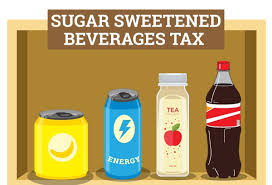
The Centre for the Promotion of Private Enterprise (CPPE) has warned that imposing an additional tax on sugar-sweetened beverages (SSB) as canvassed by the Corporate Accountability and Public Participation Africa (CAPPA) would be counterproductive and punitive, given the industry’s energy-intensive nature and existing cost challenges
The director and chief executive officer of CPPE, Dr Muda Yusuf, highlighted that while the intention behind the tax may stem from public health concerns, its timing and implementation may not align with the current economic context.
He emphasised that Nigeria’s tax reform agenda aims to ease the taxation burden on businesses, enhance tax efficiency, and foster investment.
Given the country’s ongoing economic recovery, Yusuf cautioned that introducing new taxes on the manufacturing sector, particularly on a highly energy-dependent industry like SSBs, could disrupt growth, employment, and investment opportunities.
He noted the pressures that manufacturers are already experiencing due to challenging macroeconomic conditions, saying that the SSB sector relies heavily on energy throughout its production processes, from water extraction and purification to bottling and distribution.
With rising energy costs and high distribution expenses, Yusuf stated that adding further tax burdens may threaten the sustainability of businesses in this sector.
He pointed out that beverage prices have surged over 50 per cent in the past two years, leading to decreased sales volumes and placing considerable strain on small and medium-sized manufacturers.
In light of these challenges, Yusuf argued that any additional tax could exacerbate the difficulties faced by an already vulnerable sector.
He asserted, “the importance of the food and beverage industry within Nigeria’s industrial landscape, noting its role as a significant employer and contributor to the economy. The sugar-sweetened beverage sector, in particular, holds a critical position due to its extensive value chain and significant distribution network.”
Yusuf explained that further taxation could lead to detrimental outcomes, such as reduced production capacity, increased business closures, job losses, and disruptions within agricultural supply chains linked to beverage production.
He acknowledged the rising incidence of non-communicable diseases like diabetes but suggested that addressing these issues requires more comprehensive measures than taxation alone.
CPPE urged the federal government to carefully consider the implications of the proposed tax and suggested that public health authorities focus on educational initiatives, prevention programs, and lifestyle interventions to promote healthier choices without adding financial strain to the industry.
Yusuf added that “at this critical stage of Nigeria’s economic recovery, the policy imperative should be to support businesses, protect jobs, and strengthen growth not impose additional tax burdens on an already strained sector.”
We’ve got the edge. Get real-time reports, breaking scoops, and exclusive angles delivered straight to your phone. Don’t settle for stale news. Join LEADERSHIP NEWS on WhatsApp for 24/7 updates →
Join Our WhatsApp Channel