Amid surging global oil prices, an energy analyst has warned that Nigeria’s plan to ban solar photovoltaic (PV) imports could deepen energy insecurity and stifle the country’s renewable energy transition.
Brent crude exceeding $110 per barrel due to Middle East tensions has led to sharply higher domestic fuel costs in Nigeria, with petrol above N1,300 per litre and diesel nearing N1,800, intensifying energy insecurity for households and industries reliant on generators amid chronic power shortages.
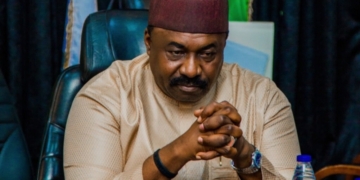
The national campaign director for Solar Power Nigeria, Joseph Ibrahim, in a pointed note, said the proposed import ban on solar PV, though designed to promote domestic manufacturing, would put households and businesses under severe strain.
He noted that the US and Israeli attack on Iran has rattled global oil markets and raised fears of disruptions to energy supplies, sending prices upward and injecting uncertainty into economies around the world.
Ibrahim warned that restricting imports before domestic manufacturing scales up would likely push prices higher, slow adoption, and leave millions without access to affordable clean power.
“For countries that depend heavily on imported fuels or volatile oil markets, these geopolitical shocks quickly translate into higher energy costs and economic strain.”
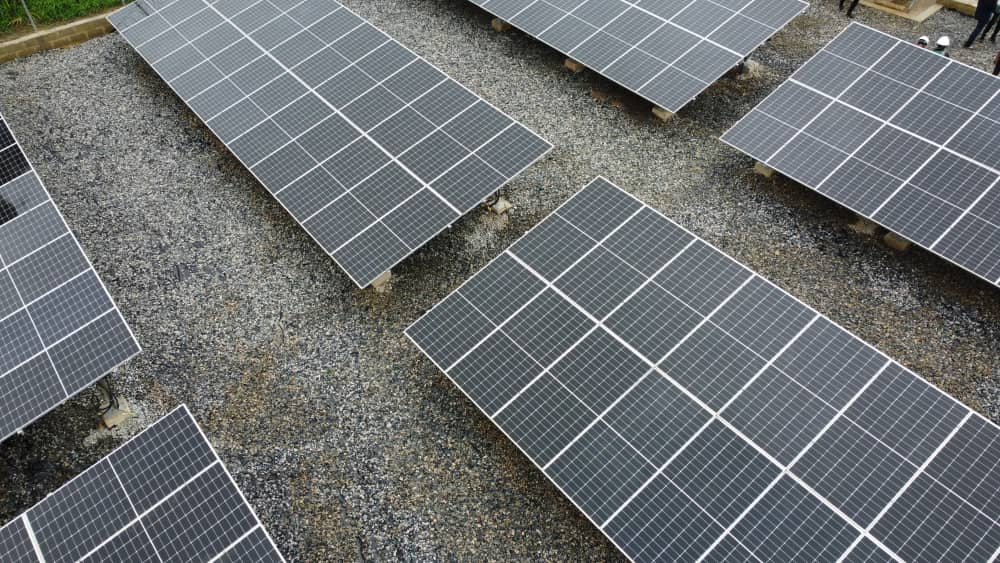
Ibrahim decried that at precisely the moment when global instability is demonstrating the risks of fossil-fuel dependence, the Nigerian government is considering a policy that would slow the country’s transition to cleaner and more resilient energy, with the proposed ban on imported solar panels – intended to encourage domestic manufacturing – risks restricting access to one of the most practical solutions Nigerians have for energy security.
A wiser approach, he suggested, would be to phase in industrial policy carefully: delay the import ban while investing in a domestic solar manufacturing ecosystem, including support for local assembly plants, training programs, financing for manufacturers, and incentives for technology partnerships.
This would allow Nigeria to gradually grow its solar industry. Once domestic production scales to meet national demand at competitive prices, import restrictions would make more sense, Ibrahim said.
Until then, limiting imports risks slowing progress when acceleration is urgent.
Energy security is too important to compromise with premature policies, he emphasised, as current oil uncertainty underscores the need to diversify and reduce fossil fuel exposure.
“The goal of building a strong domestic solar industry is entirely understandable. Nigeria should absolutely aspire to manufacture more of the technologies that will power the 21st century. “Developing local industry can create jobs, strengthen the economy and reduce long-term dependence on imports,” he stated.
According to him, timing matters. And right now, Nigeria’s domestic solar manufacturing capacity is simply not large enough to meet the country’s growing demand for solar energy.
He stressed that a premature import ban could unintentionally slow the deployment of solar power across the country just when it is needed most.
“Nigeria already faces persistent electricity shortages and frequent blackouts. Millions of households and businesses rely on expensive diesel or petrol generators to fill the gap left by unreliable grid power. These generators are not only costly to run but also polluting and noisy, imposing economic and health burdens on communities.”
Ibrahim stated that rooftop panels and small solar systems are already helping families, clinics, farms, and businesses across Nigeria generate their own electricity, reducing reliance on generators, cutting fuel costs, and providing power even when the grid fails.
He described solar as one of the most obvious energy solutions available in a country with abundant sunshine and noted that solar systems remain too expensive for many Nigerians, with panels forming a major part of the cost, and warned that restricting imports before domestic manufacturing scales up would likely push prices higher, slow adoption, and leave millions without access to affordable clean power.
Ibrahim said, as solar and wind power draw from resources that cannot be blockaded, embargoed, or disrupted by war.
Once infrastructure is in place, the energy—sunlight and wind—is free and locally available, making nations with expanded renewable capacity less vulnerable to fuel price spikes and supply crises. He added that renewable energy is not just about climate or environmental goals but about resilience.
Nigeria has enormous potential to harness this, Ibrahim continued, receiving some of the world’s highest solar radiation levels, where the right policies could power homes, schools, hospitals, and businesses, easing grid pressure and improving access in urban and rural areas. To unlock it, however, the country needs more solar panels installed—not fewer.
For Nigeria, the path forward is clear: expand solar access rapidly while nurturing domestic industry to grow alongside demand. The sun shines abundantly across Nigeria every day, Ibrahim concluded, and with the right policies, it can power a more secure, resilient, and prosperous future—for now, by ensuring access to the needed solar panels.
We’ve got the edge. Get real-time reports, breaking scoops, and exclusive angles delivered straight to your phone. Don’t settle for stale news. Join LEADERSHIP NEWS on WhatsApp for 24/7 updates →
Join Our WhatsApp Channel