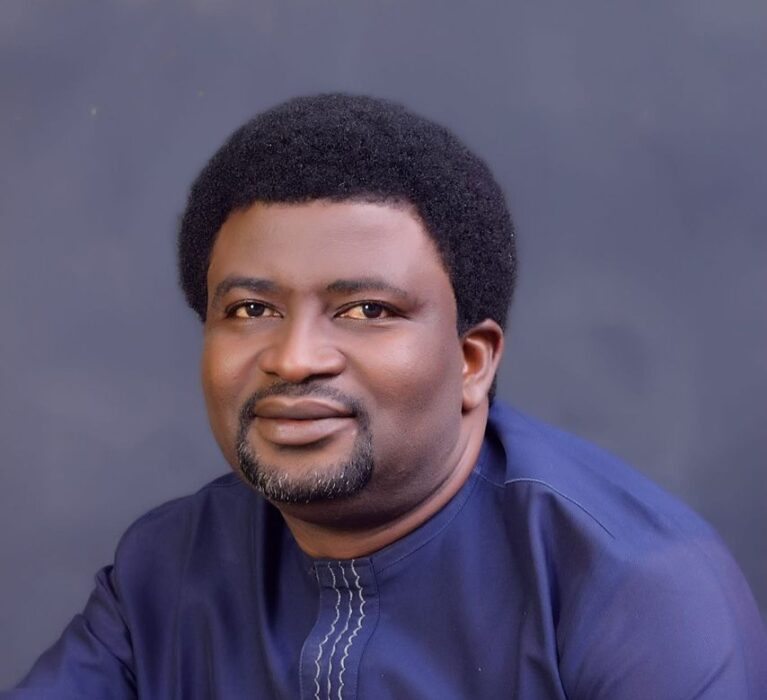
Ordinarily, I would not have considered it necessary to respond to the recent document circulating in the public space. For some time now, I have deliberately refrained from routine political commentary, particularly in an environment where reasoned engagement is often overshadowed by sentiment and expediency. However, the need to clarify my position and protect the integrity of my name has made this response unavoidable.
Let me state unequivocally that I have no connection whatsoever with the said document. It is entirely false, and my name was included without my knowledge or consent. Those familiar with my work and disposition would easily recognise that the views expressed therein do not reflect my position.
While I respect the right of individuals to hold and promote their political preferences, I believe it is important that such engagements are anchored on truth, clarity, and responsibility.
At the heart of the current conversation is the question of zoning versus development. This is not a new debate. However, it is one that deserves to be approached with sincerity and a clear understanding of our collective history.
As a student of history, I am persuaded that competence, vision, and capacity to deliver are the most reliable drivers of meaningful development—far more than arrangements based solely on geographical considerations.
A brief reflection on the development trajectory of Obanliku Local Government Area provides useful context.
During the administration of former Governor Donald Duke, Obanliku witnessed significant infrastructural and tourism development. Within a relatively short period, projects such as the Sankwala Ring Road, Obanliku General Hospital, Bebi Airstrip, and electrification initiatives across several communities were executed. The transformation of the Ranch Resort and the introduction of the Obudu International Mountain Race helped position the area on the global tourism and sporting map.
His successor, Liyel Imoke, sustained and expanded on this momentum. Key road networks, including the Basang East Road, Busi Road, and the Utuhu–Kakwe–Lishiche–Shikpeche corridor, improved access to rural communities. Investments in healthcare and education further contributed to the socio-economic wellbeing of the people.
Subsequently, under the administration of Ben Ayade, expectations were understandably high, particularly given his ties to the Northern Senatorial District. While perspectives may differ, it is fair to say that many residents have expressed concerns about the pace and extent of development in Obanliku during that period, especially when compared with earlier years. Some key assets and projects also faced challenges that affected their optimal utilisation.
This historical experience raises an important question: should political choices be guided primarily by zoning, or by demonstrable capacity to deliver results?
Experience suggests that geographical proximity alone does not guarantee development outcomes. What appears to matter more is leadership effectiveness, policy direction, and commitment to public service.
Even at the national level, Nigeria has witnessed various forms of political balancing since 1999. Yet, it remains a subject of ongoing debate whether such arrangements, in themselves, have translated into the level of progress and development that citizens expect.
It is therefore important that, as a people, we approach this moment with clarity and a sense of responsibility. The future of the Northern Senatorial District should not be shaped by narrow considerations, but by a collective desire for sustainable development and improved living standards.
This is not to dismiss the sentiments behind zoning, but to suggest that it should not override the more critical question of competence and performance.
Ultimately, the conversation should shift from where a candidate comes from to what a candidate is capable of achieving. We must prioritise proven ability, integrity, and a clear commitment to delivering tangible results.
Our past offers valuable lessons. The decisions we make today will determine the trajectory of our future.
History will take note. Posterity will form its judgment.
Let us choose wisely.
Prof. Dave Imbua
We’ve got the edge. Get real-time reports, breaking scoops, and exclusive angles delivered straight to your phone. Don’t settle for stale news. Join LEADERSHIP NEWS on WhatsApp for 24/7 updates →
Join Our WhatsApp Channel