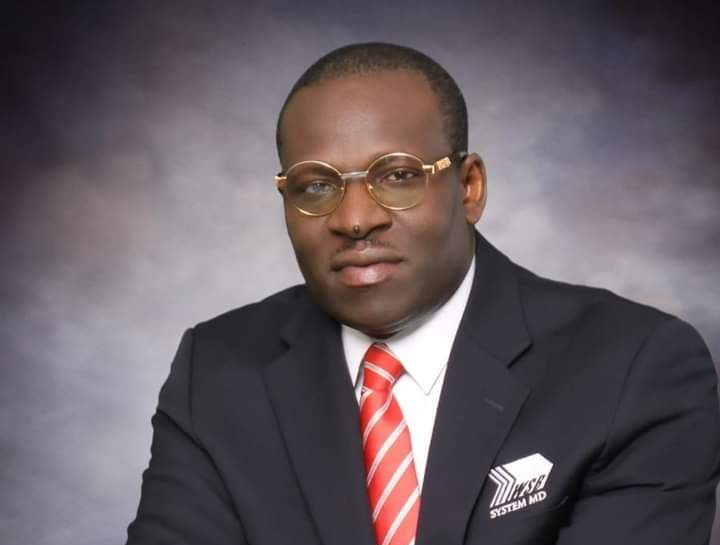
Hon. Billy Osawaru, Chairman of the House Committee on African Integration and Cooperation and member representing Orhionmwon/Uhunwonde Federal Constituency of Edo State, in this interview with PATRICK OCHOGA, speaks on his legislative impact, poverty alleviation efforts, and the political outlook ahead of the 2027 elections.
Beyond constituency projects, which national policy reforms have you influenced that have produced measurable governance impact?
One of the key motions I sponsored was on the 35 per cent affirmative action for women in governance. I moved that motion shortly after we resumed in the House. Subsequently, the President demonstrated a commitment to the policy by appointing more women to the cabinet and other strategic positions than previous administrations had.
As the then Deputy Chairman of the House Committee on Poverty Alleviation, I also moved a motion urging the reopening of accounts belonging to the Federal Ministry of Humanitarian Affairs. At the time, the accounts of the National Social Investment Programme (NSIP) had been frozen following the minister’s suspension, which stalled several poverty alleviation programmes. After the motion was adopted, the accounts were reopened, and programmes such as N-Power resumed.
In terms of legislation, I have sponsored bills, including one to establish a University of Agriculture in Uronigbe in my constituency. Being a largely rural area, the institution will not only provide agricultural education but also function as a research centre capable of attracting international collaboration and exchange programmes. I also sponsored a bill to establish the Chartered Institute of Business Management, aimed at regulating business professionals in Nigeria. That bill is currently at the public hearing stage.
Additionally, as a member of the House Committee on Sports, I chaired a subcommittee responsible for fundraising for Nigerian athletes ahead of the 2024 Olympic Games. Through that effort, we raised about N200 million to support our Olympians and ensure they receive better welfare beyond what is provided in the budget.
As a former Deputy Chairman of the House Committee on Poverty Alleviation, what steps have you taken to address poverty in your constituency?
I have actively facilitated my constituents’ participation in programmes under the National Social Investment Programme. These include Conditional Cash Transfers, entrepreneurship initiatives, and Iyaloja support funds.
Through collaboration with relevant ministries and agencies, I have helped secure training opportunities and support programmes for people from my constituency. Even after leaving the committee, I continue to maintain strong working relationships with these agencies, making it easier to channel benefits and opportunities to my constituents.
However, I always emphasise that such interventions should be implemented nationwide, as poverty is not confined to any specific region of Nigeria.
How confident are you of securing your party’s ticket for a second term amid other aspirants?
I am very confident because I have delivered on the mandate given to me by the people of Orhionmwon/Uhunwonde Federal Constituency. The feedback I receive from constituents has been overwhelmingly positive and encouraging.
Our constituency has an unwritten rotational arrangement between the two local governments, Orhionmwon and Uhunwonde, which has existed since 1999. Under that arrangement, one local government serves as the representative for two consecutive terms before rotating.
The seat moved from Orhionmwon to Uhunwonde, then back to Orhionmwon, and is now back in Uhunwonde. Since this is my first term, the expectation is that I will complete a second term.
Leaders across the constituency have expressed support for this arrangement and are optimistic that I will perform even better with the experience gained during my first term.
Some of your opponents claim that key political leaders are not backing your second-term bid. How do you respond?
Opposition candidates will always provide reasons to justify their ambitions. However, they rarely identify the leaders they claim support them. I recently held meetings with several constituency leaders, and the feedback was very positive.
While it is impossible to have 100 per cent support in politics, I remain confident that the majority of both leaders and grassroots supporters are behind me.
As a loyal party member, would you challenge the process if your party’s primaries are disputed?
My political history shows that I am not a desperate politician. I have always remained loyal to the party.
As long as the primary process is free, fair, and provides a level playing field, I will accept the outcome. That said, I remain confident that I will emerge victorious.
Critics argue that establishing a new Federal Medical Centre in Ehor may not be necessary, given Nigeria’s limited budget and underfunded tertiary hospitals. Why push for it, and how will it be sustainably funded?
The reality is that Orhionmwon and Uhunwonde, two of Nigeria’s 774 local governments, currently lack a Federal Medical Centre.
Beyond providing healthcare, such institutions can generate revenue if properly managed. Establishing a medical centre in Ehor will also stimulate economic activity, attract businesses, and open rural areas to development. These local governments are predominantly rural, and the facility will help decentralise healthcare services, reduce pressure on urban medical institutions, and encourage development in rural communities.
Do you believe President Bola Tinubu’s economic reforms will secure him a second term, given the current economic challenges?
The reforms began about two years ago, and Nigerians should start seeing tangible results in this period. During the recent budget presentation, the President expressed optimism that the outcomes of these reforms will become evident before the end of the year.
I share that optimism. Once the benefits begin to materialise, Nigerians will appreciate the reforms. The fact that more governors are expressing interest in joining the ruling party also suggests growing political confidence in the administration.
Some critics allege that the APC is turning Nigeria into a one-party state. What is your response?
Nigeria cannot become a one-party state because the Independent National Electoral Commission (INEC) currently recognises over 18 registered political parties. These parties met the legal requirements for registration and are free to participate in elections.
If other parties are experiencing internal challenges, it should not be blamed on the APC.
What will be your priorities if you secure a second term?
My priority will be to consolidate the progress made in my first term. I intend to push my pending bills through the legislative process so they can receive presidential assent.
I will also sponsor additional legislation based on the pressing needs of my constituency and the country at large. With the experience gained in my first term, I expect to return as a ranking member of the House and, hopefully, take on a leadership role that will enable me to contribute even more to national development.
We’ve got the edge. Get real-time reports, breaking scoops, and exclusive angles delivered straight to your phone. Don’t settle for stale news. Join LEADERSHIP NEWS on WhatsApp for 24/7 updates →
Join Our WhatsApp Channel