Minister of Information and National Orientation, Mohammed Idris, has called for greater responsibility in the use of language in security operations, media reporting and public discourse.
He warned that careless or inaccurate terminology could deepen divisions and undermine national unity.
Idris spoke in Abuja yesterday at a conference organised by the Whiteink Institute for Strategy Education and Research Nigeria, themed “Contextualising Definitions and Terminologies to Address Stereotyping and Ethnic Profiling in Discourses and Security Operations in West Africa.”
Represented by the executive secretary of the Nigerian Press Council, Dili Ezughah, the minister stressed that definitions arere not neutral and must be used with care.
“Definitions are not neutral. They carry weight. They influence how communities are seen and how they are treated. When definitions are careless or inaccurate, they can reinforce stereotypes, deepen divisions and create mistrust between citizens and institutions meant to protect them,” he said.
He stressed the need for accuracy in communication, particularly in reporting security issues, warning against linking crimes to ethnic or religious groups.
“We must promote accuracy in language and ensure that individuals are held accountable for their actions without generalising blame to entire communities,” he added.
The minister said Nigeria’s diversity demands context-driven communication, especially in addressing security challenges.
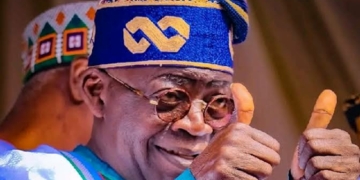
He also spoke about ongoing efforts by the federal government under President Bola Ahmed Tinubu to strengthen unity and rebuild trust between citizens and institutions.
According to him, initiatives such as the National Values Charter are designed to promote accountability, inclusion, and shared responsibility, while campaigns by the National Orientation Agency aim to foster responsible citizenship and counter harmful narratives.
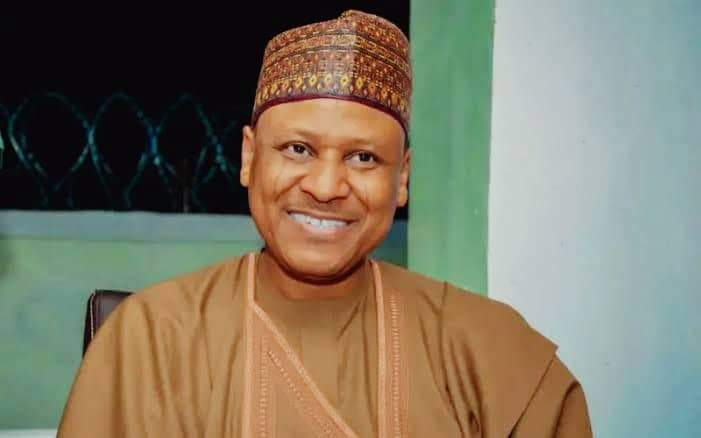
In his remarks, the national coordinator of the National Counter Terrorism Centre, Major General Adamu Garba Laka, said the conference was convened to examine how language shapes security outcomes.
“The way we define, describe, and communicate security issues can either strengthen cohesion or deepen mistrust and division,” he said.
Maj-Gen. Laka, who represented the national security adviser (NSA), Mallam Nuhu Ribadu, stressed that security efforts must go beyond the use of force.
“Sustainable security cannot be achieved through kinetic measures alone, but must be anchored on prevention, trust-building, and responsible communication,” he added.
In his opening remarks, the founder of WISER, Brig-Gen. Saleh Bala (rtd), described language as a powerful force in shaping security realities.
“In security discourse, terms—once misused or decontextualised—can build walls, incite fear, and reinforce dangerous stereotypes,” he said, warning that profiling based on flawed narratives poses serious human rights concerns.
He disclosed that the conference would produce an “Anti-ethnic Stereotyping and Profiling Toolkit” and a national policy brief to guide communication in security operations.
We’ve got the edge. Get real-time reports, breaking scoops, and exclusive angles delivered straight to your phone. Don’t settle for stale news. Join LEADERSHIP NEWS on WhatsApp for 24/7 updates →
Join Our WhatsApp Channel