As the world marks World Health Day 2026, the Corporate Accountability and Public Participation Africa (CAPPA) has urged governments at all levels to move from rhetoric to action by addressing the chronic underfunding and policy gaps weakening the country s health system.
In a statement commemorating the day, CAPPA expressed deep concern over Nigeria’s decade-long failure to adequately fund its health sector. Citing data from the Budget Office of the Federation, the group noted that health allocations have consistently fallen below the 15 per cent Abuja Declaration target, with approved funds often only partially released.
It recalled that in January, the Federal Ministry of Health and Social Welfare disclosed it could not implement its 2025 capital budget because only N36 million of the N218 billion allocated had been released. In 2024, just N26.552 billion was released from the N233.656 billion approved for capital projects.
“This longstanding gap between budget promises and actual releases has weakened the health system and is short-changing Nigerians. It manifests in inadequate access to essential medicines, overstretched facilities, a worsening health workforce crisis driven by the Japa trend, high out-of-pocket expenses, and a rising burden of non-communicable diseases caused by unhealthy food environments,” said CAPPA Executive Director, Akinbode Oluwafemi.
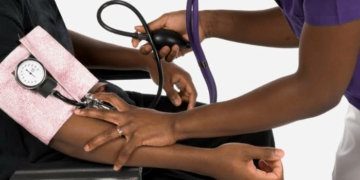
CAPPA warned that non-communicable diseases (NCDs), including hypertension, diabetes, obesity and heart-related conditions, now account for about 29 per cent of annual deaths in Nigeria, placing a heavy strain on families and the national health system. It stressed that reversing the trend requires urgent preventive policies to curb excessive salt, sugar and trans fat consumption.
Aligning with the World Health Day 2026 theme, “Together for health: Stand with science,” CAPPA called for stronger, evidence-based measures—starting with an increased Sugar-Sweetened Beverage (SSB) tax.
The organisation welcomed ongoing efforts by the National Assembly to review the current N10 per litre tax and replace it with a percentage-based levy tied to retail prices, with part of the revenue dedicated to health promotion.
“We maintain that the current SSB tax is too low to influence consumption. We are calling for an increase to at least 50 per cent of retail price, consistent with WHO recommendations. Stronger fiscal measures reduce consumption and generate critical revenue for health financing,” Oluwafemi said.
Beyond taxation, CAPPA renewed its call for complementary regulations, including mandatory sodium reduction targets for processed foods, front-of-pack nutrition warning labels, restrictions on marketing unhealthy foods, especially to children.
The group insisted that mandatory salt targets for pre-packaged foods and clear warning labels would help Nigerians make informed choices, curb deceptive marketing, and drive manufacturers to adopt healthier product formulations.
“These measures are essential to tackling the silent epidemic of diet-related diseases. They remain among the most cost-effective tools available to governments, “the group said.
CAPPA also raised concerns about the rising burden of tobacco-related diseases and emerging nicotine products, saying the current N13 million allocation to the Tobacco Control Fund (TCF) is grossly inadequate. It called for an increase to at least N300 million to support effective enforcement of the National Tobacco Control Act.
The organisation urged governments and policymakers to scale up health funding, ensure timely release of budgeted funds, adopt stronger food policies, and strengthen accountability across the health system.
We’ve got the edge. Get real-time reports, breaking scoops, and exclusive angles delivered straight to your phone. Don’t settle for stale news. Join LEADERSHIP NEWS on WhatsApp for 24/7 updates →
Join Our WhatsApp Channel