
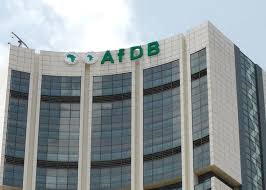
Nigeria and other major African economies are coming under increasing debt pressure, as rising borrowing costs and weakening fiscal buffers heighten concerns over the continent’s economic stability, the African Development Bank (AfDB) has warned.
In its latest report titled Africa’s Macroeconomic Performance and Outlook, AfDB warned that despite modest fiscal consolidation efforts, Africa’s debt burden remains significantly elevated, posing a growing threat to economic stability and long-term development.
According to the report, Africa’s economic outlook faces strong headwinds from persistent debt distress and shrinking fiscal space.
“Despite some fiscal consolidation, debt levels remain above pre-pandemic levels. As of September 2025, 7 African countries were in debt distress and 13 at high risk—including large economies such as Nigeria, Ghana, and South Africa.
“High debt-service costs continue to erode fiscal space and limit public investment, which is crucial for growth and resilience. The combined effect of heavy debt burden and constrained fiscal space threatens the momentum of Africa’s growth and structural transformation.”
It also warned that increasing refinancing pressures could push governments into adopting procyclical fiscal tightening or resorting to expensive short-term borrowing, both of which could undermine fragile economic recoveries.
“Rising refinancing needs may also force governments into procyclical austerity or costly short-term borrowing. With global financial conditions easing, several African countries returned to the Eurobond market in 2025. Kenya raised $1.5 billion in October, followed by Angola ($1.75 billion) and Nigeria ($2.35 billion).
“However, borrowing costs remain high, as sovereign spreads exceed pre-pandemic level. Kenya’s bond was issued in two tranches, with the 7-year tenor at 7.875 percent and the 12-year at 8.8 percent.
“In Angola, the 5-year bond was issued at 9.25 percent and the 10-year bond at 9.78 percent. Combined with currency risks, elevated financing costs pose a threat to debt sustainability and social spending. They could derail the current growth momentum, impair long-term development, and thus increase the risk of social and political fragility.”
We’ve got the edge. Get real-time reports, breaking scoops, and exclusive angles delivered straight to your phone. Don’t settle for stale news. Join LEADERSHIP NEWS on WhatsApp for 24/7 updates →
Join Our WhatsApp Channel