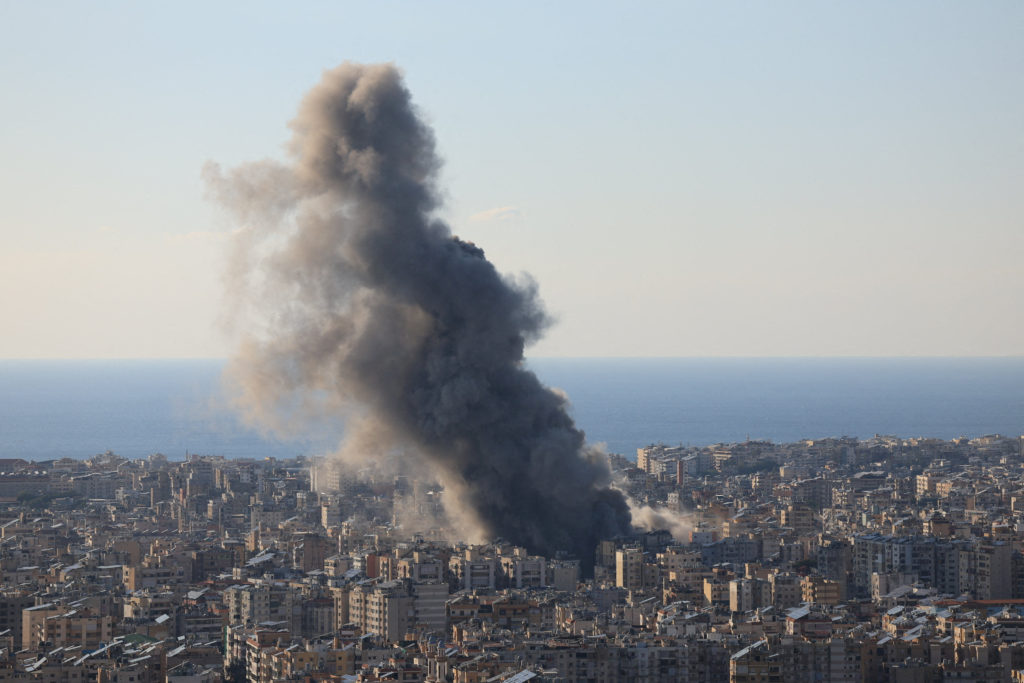
As tensions in the Middle East continue to reverberate across global markets, Nigeria and several other vulnerable economies may receive fresh financial lifelines from the International Monetary Fund (IMF), with potential support estimated at up to $50 billion.
This indication came from the IMF Managing Director, Kristalina Georgieva, during the unveiling of the Fund’s Global Policy Agenda at the ongoing IMF/World Bank Spring Meetings in Washington DC.
Georgieva explained that the Fund is reviewing a range of response options to cushion the impact of the worsening geopolitical crisis, particularly on energy-importing and fiscally constrained economies, many of which are in Sub-Saharan Africa.
She noted that the ongoing conflict has triggered what she described as an “asymmetric shock,” disproportionately affecting countries with weak fiscal buffers and heavy reliance on imported energy.
“We are closely monitoring developments, and the burden is falling heavily on low-income and fragile economies. These are countries that require urgent attention,” she stated.
According to her, the IMF anticipates near-term financing requests of between $20 billion and $50 billion from at least a dozen countries, with the bulk expected to come from Africa.
The IMF boss reiterated the Fund’s readiness to act swiftly, stressing that early intervention remains critical to safeguarding economies and protecting vulnerable populations.
“Our role is to support member countries in navigating difficult times. We stand ready to respond quickly to requests for financial assistance,” she said.
She further disclosed that discussions at the Spring Meetings are focused on identifying the most affected economies and designing tailored support mechanisms in collaboration with global partners, including the World Bank and other multilateral institutions.
On policy direction, Georgieva urged caution, advising countries to adopt measured responses rather than hasty interventions, particularly in the face of supply-side shocks.
She maintained that countries with stable monetary frameworks should adopt a “wait-and-see” approach, while those facing heightened risks may need to act sooner.
On fiscal policy, she warned that rising global debt levels continue to limit governments’ ability to respond aggressively to crises, noting that public debt is projected to exceed 100 per cent of global GDP by 2029.
Policymakers, she said, must strike a delicate balance between maintaining fiscal discipline and providing targeted support to vulnerable citizens.
Speaking at the Fiscal Monitor briefing, IMF official Davide Furceri highlighted the uneven impact of the crisis across economies. He pointed out that while oil-importing countries face mounting pressures from rising energy and logistics costs, oil-producing nations like Nigeria could see temporary revenue gains from higher crude prices.
However, he cautioned that such windfalls should be prudently managed to rebuild fiscal buffers and reduce debt vulnerabilities. “In countries like Nigeria, higher oil prices may provide short-term relief, but it is important that these gains are used strategically to strengthen fiscal resilience,” he said.
He also warned that rising input costs, including energy, fertiliser, and shipping, could dampen production and consumption, with potential implications for poverty levels and food security in more fragile economies.
We’ve got the edge. Get real-time reports, breaking scoops, and exclusive angles delivered straight to your phone. Don’t settle for stale news. Join LEADERSHIP NEWS on WhatsApp for 24/7 updates →
Join Our WhatsApp Channel