The International Monetary Fund (IMF)has warned that more than 20 million people across sub Saharan Africa could be pushed into moderate or severe food insecurity as global food prices continue to rise.
This is according to the IMF’s April 2026 Regional Economic Outlook titled “Hard-Won Gains Under Pressure” which examines recent growth performance across the region and emerging risks tied to global commodity shocks, tighter financial conditions and rising geopolitical tensions.
According to the Fund, sub Saharan Africa entered 2026 with strong economic momentum, but that progress is now facing renewed strain from external shocks that threaten both growth and living standards.
“Poverty, food insecurity, and other social indicators, already weakened by the pandemic, face renewed headwinds from declining foreign aid and rising food prices.
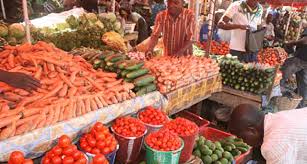
IMF staff estimates that a 20 per cent increase in international food prices can push more than 20 million people into moderate or severe food insecurity across the region.”
The report showed that the region recorded its strongest growth in a decade in 2025 at about 4.5 per cent, supported by improved domestic policy management in several large economies and stronger global conditions. Inflation also eased toward the end of 2025, helped by tighter monetary policy, falling global food and oil prices, and reduced exchange rate pressures in several countries.
Fiscal positions improved during the same period, buoyed by stronger economic activity and more stable currency movements in key markets. However, the Fund noted that the gains are now under threat as global conditions deteriorate.
Growth across sub Saharan Africa is projected to slow to 4.3 per cent in 2026, while median inflation is expected to rise to 5.0 per cent from 3.4 per cent in 2025. The IMF warned that the combination of slowing growth and rising prices signals a reversal of some of the macroeconomic stability achieved in the previous year.
Overall, the Fund cautioned that renewed inflationary pressures, weakening trade conditions and tighter global financial markets could erode recent economic gains and intensify social vulnerabilities across the region.
We’ve got the edge. Get real-time reports, breaking scoops, and exclusive angles delivered straight to your phone. Don’t settle for stale news. Join LEADERSHIP NEWS on WhatsApp for 24/7 updates →
Join Our WhatsApp Channel