
Business leaders, legal experts and entrepreneurs have warned that many African businesses may not survive beyond their founders unless urgent steps are taken to build stronger institutions, governance systems and cross-sector partnerships.
The warning was issued in Abuja at the Convergence Africa Summit organised by the CEOs Portal, where stakeholders expressed concern over the growing number of enterprises built around individuals rather than sustainable structures.
Speaking at the summit themed, “Transgenerational Connection: Architecting Generational Capital Across Industries,” participants said weak institutional culture and poor succession planning continue to threaten the survival of businesses across the continent.
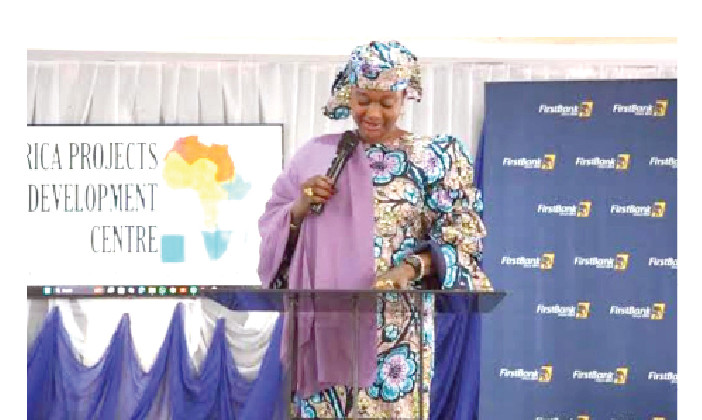
Convener of the summit, Patience Olusuyi, said many enterprises in Africa are growing rapidly but lack the systems required for long-term sustainability.
According to her, businesses driven mainly by the influence and energy of founders remain vulnerable to collapse during economic shocks or leadership transitions.
“Profitability is not permanent. Growth is not sustainability. And attention is not absolute strength.
“Too many of our enterprises are still built on personality, not structure. Too many are dependent on the energy and soul of a single founder rather than the reliability of a system,” she said.
Olusuyi stressed that Africa must deliberately build institutions capable of preserving wealth, opportunities and influence across generations instead of focusing only on short-term success.
She described the summit as a platform aimed at encouraging strategic collaboration among industries and promoting business structures that can endure beyond present leadership.
“It is a call to move beyond building companies into building institutions. Because legacy is not accidental. It is designed, structured and intentional,” she added.
Keynote speaker, Dr Niyi Adesanya, said Nigeria and other African countries could no longer delay conversations around succession planning and generational wealth creation.
“The best time to plant a tree is yesterday and the second best time is today. So no matter what, you have to be ready. Sometimes when you’re fully ready, you don’t make a move,” he said.
Adesanya warned that excessive hesitation and poor planning often prevent organisations from adapting to changing economic realities.
Also speaking, Justice Mabel Segun Bello of the Federal High Court, Abuja, said businesses must embrace collaboration and integration to remain competitive in a rapidly evolving economy.
“The world is moving away from industry isolation. Now we’re moving on to industry collaboration. So across the ecosystem now, it is integration that is the main thing. That is the main currency of business today,” she said.
Stakeholders at the summit maintained that without deliberate governance systems, institutional reforms and cooperation across sectors, many African businesses may struggle to survive beyond one generation.
We’ve got the edge. Get real-time reports, breaking scoops, and exclusive angles delivered straight to your phone. Don’t settle for stale news. Join LEADERSHIP NEWS on WhatsApp for 24/7 updates →
Join Our WhatsApp Channel