
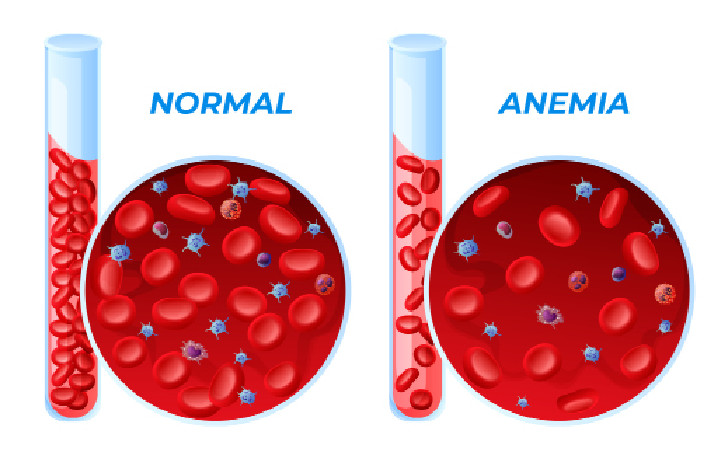
Every day, thousands of pregnant women walk into health facilities weak, fatigued and dizzy, symptoms often dismissed as “normal pregnancy stress.” Yet these signs point to a condition that contributes to maternal deaths, premature births and long-term developmental challenges for children.
According to data from the 2023–2024 Nigeria Demographic and Health Survey, 55 per cent of women of reproductive age are anaemic, and 40 per cent of children under five are stunted.
However, unlike many public health challenges, maternal anaemia is not an unsolvable problem. It is preventable, treatable, and manageable with the right tools. Nigeria already has thee tools: Multiple Micronutrient Supplements (MMS), policies, partners, and a growing body of evidence
MMS, a small daily capsule containing 15 essential vitamins and minerals offers broader protection for pregnant women, reducing anemia, lowering low birth weight, and improving birth outcomes.
The Federal Ministry of Health and Social Welfare updated its national guidelines in 2021 to recommend MMS for all pregnant women, a shift from decades of reliance on Iron and Folic Acid (IFA) alone. The supplement has also been added to the Essential Medicines List, signaling a strong policy foundation for nationwide use.
Despite these developments, many women at primary healthcare centres do not consistently receive MMS. Stockouts, inadequate funding, low awareness, and limited training for healthcare workers mean the benefits often fail to reach those who need them most.
According to the Executive Secretary of the Civil Society Scaling-Up Nutrition in Nigeria (CS-SUNN), Sunday Okoronkwo,
the country must now prioritise implementation.
“Nigeria has the policies and the evidence. What is needed is full-scale delivery so every pregnant woman, rural or urban, can access the supplements that protect her and her baby,” he said.
CS-SUNN, with partners including UNICEF, FHI 360, Nutrition International, and Results for Development, has played a key role in pushing MMS forward—supporting policy reviews, advocacy, and monitoring distribution.
A major opportunity lies in the Child Nutrition Fund (CNF), a pooled financing mechanism managed by UNICEF that allows governments to double their investments in nutrition commodities such as MMS.
Advocates said that if federal and state governments fully leverage the CNF, the country could secure a steady, nationwide supply of MMS and eliminate the chronic stockouts that weaken antenatal care services.
To end preventable maternal anemia, stakeholders recommended integrating MMS into all antenatal care protocols, training healthcare workers to provide accurate counseling, strengthening supply chains to ensure consistent availability, increasing public awareness so pregnant women know their rights and options, investing in community outreach, especially in rural areas.
Each recommendation moves the country further along the path toward protecting mothers and babies from avoidable health risks.
We’ve got the edge. Get real-time reports, breaking scoops, and exclusive angles delivered straight to your phone. Don’t settle for stale news. Join LEADERSHIP NEWS on WhatsApp for 24/7 updates →
Join Our WhatsApp Channel