The Federal Government’s renewed efforts to tackle plastic pollution have sparked a national conversation on the delicate balance between environmental sustainability and economic growth.
At the centre of the debate is the proposed implementation of the National Environmental (Plastic Waste Control) Regulations 2026 by the National Environmental Standards and Regulations Enforcement Agency (NESREA), a policy that is generating the debate.
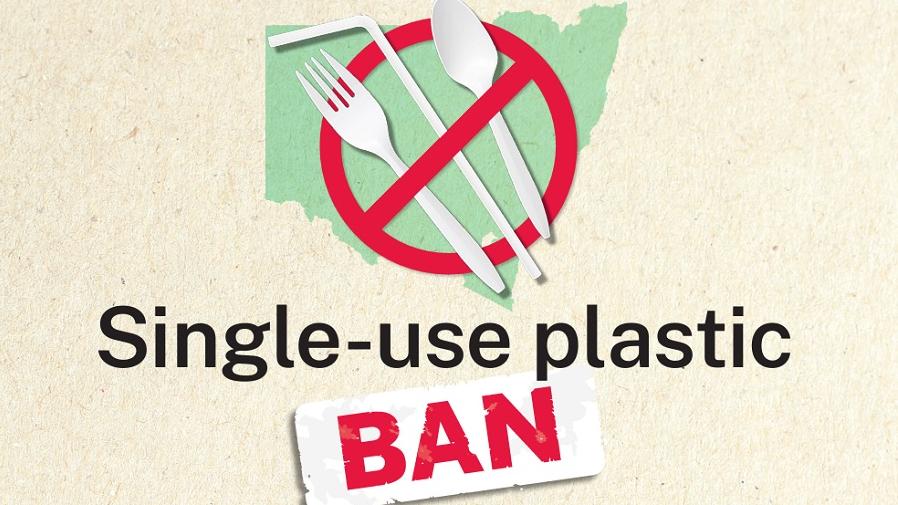
Under the proposed regulations, NESREA intends to prohibit the production and use of single-use plastic products below 80 microns in thickness, impose levies on shopping bags with wall thicknesses between 30 and 50 microns, and restrict the manufacture and use of several other plastic products listed in the Eleventh Schedule of the regulations.
Across the world, governments are adopting stringent measures to curb plastic pollution as mounting evidence highlights its devastating impact on ecosystems, public health and the global climate.
Plastic waste clogs drainage channels, contributes significantly to flooding, contaminates water bodies and farmlands, and threatens marine and terrestrial wildlife.
Consequently, bans and restrictions on single-use plastics have become increasingly popular policy tools aimed at encouraging sustainable alternatives and promoting responsible waste management.
For Nigeria, however, the issue is far from straightforward. As a developing economy grappling with unemployment, industrial challenges and inadequate infrastructure, the proposed ban presents both opportunities and significant risks.
Expectedly, the Manufacturers Association of Nigeria (MAN) has expressed strong reservations about the policy, warning that an outright ban could have far-reaching consequences for the country’s manufacturing sector and the wider economy.
The association argues that plastic pollution should primarily be addressed through improved waste collection, sorting, recycling and disposal systems rather than by prohibiting products that support thousands of businesses and livelihoods.
According to MAN’s Director-General, Segun Ajayi-Kadir, the Federal Government had already developed the National Plastic Action Partnership (NPAP) Plastic Circularity Roadmap in 2024 in collaboration with the Federal Ministry of Environment.
Regrettably, many of the roadmap’s key recommendations remain largely unimplemented. It would therefore seem premature to introduce fresh restrictions before fully implementing an existing strategy specifically designed to address the same challenge.
The association also drew attention to international experiences, noting that countries such as Kenya, Bangladesh, South Africa and India recorded mixed outcomes following similar bans.
While environmental awareness improved, the policies also resulted in factory closures, job losses and the continued circulation of prohibited products through informal markets.
On the other hand, countries including Germany, South Korea and the Netherlands have achieved greater success through robust recycling systems, Extended Producer Responsibility (EPR) schemes and sustained investments in waste management infrastructure rather than outright prohibitions.
MAN has therefore urged the Federal Government to suspend the proposed regulations pending a comprehensive Regulatory Impact Assessment.
It also recommends a full evaluation of previous plastic control measures, complete implementation of the 2024 Plastic Circularity Roadmap, strengthening of the Extended Producer Responsibility framework, and the establishment of a broad-based stakeholder committee to develop a practical and evidence-based transition strategy.
NESREA, however, insists that the proposed regulations have been widely misunderstood.
The agency maintains that its objective is not to undermine local manufacturers but to reposition Nigeria’s plastics industry to compete in a global economy increasingly driven by circularity, recycled content, traceability, producer responsibility and sustainable packaging.
The agency further argues that plastic pollution imposes enormous hidden costs on governments, businesses and communities.
Blocked drainage systems worsen flooding, while poor waste management increases public sanitation costs, environmental degradation, health risks, tourism losses and expensive clean-up operations.
According to NESREA, these economic losses often exceed the short-term benefits derived from the unrestricted use of cheap plastic products.
Importantly, the agency clarifies that the much-debated 80-micron provision applies only to specific categories of plastic bags made from plastic film.
It is not, as widely portrayed, a blanket prohibition on all plastic packaging or all single-use plastics used by the food, beverage, pharmaceutical, agricultural, logistics and manufacturing sectors.
The concerns raised by both parties are legitimate.
Nigeria undoubtedly needs decisive action to address its worsening plastic pollution crisis.
Yet, environmental policies, no matter how well intentioned, must also recognise prevailing economic realities.
A policy that safeguards the environment while threatening thousands of jobs or increasing production costs without providing affordable alternatives risks creating unintended consequences.
The challenge, therefore, is not whether Nigeria should reduce its dependence on single-use plastics, but how best to achieve that objective without disrupting industries, undermining livelihoods or encouraging the growth of illegal markets.
In our view, an outright ban implemented in isolation is unlikely to deliver the desired results.
Instead, the Federal Government should adopt a phased and inclusive approach that combines reasonable restrictions with practical transition measures.
These should include investment in modern waste collection and recycling infrastructure, incentives for manufacturers to develop environmentally friendly alternatives, effective implementation of the Extended Producer Responsibility framework, stronger enforcement of waste disposal regulations, and sustained public education campaigns to encourage responsible consumption and recycling.
Environmental sustainability and economic development should not be viewed as competing priorities.
With thoughtful planning, broad stakeholder engagement and consistent implementation, Nigeria can protect its environment while preserving jobs, supporting local industries and fostering innovation.
The ultimate goal should be to build a cleaner, healthier and more sustainable nation without sacrificing the economic wellbeing of its citizens.
We’ve got the edge. Get real-time reports, breaking scoops, and exclusive angles delivered straight to your phone. Don’t settle for stale news. Join LEADERSHIP NEWS on WhatsApp for 24/7 updates →
Join Our WhatsApp Channel