Two per cent of Nigeria’s Gross Domestic Product (GDP) does not sound like much until somebody converts it into naira. At the country’s rebased GDP figure of roughly N441.5 trillion for 2025, that two per cent comes to about N8.83 trillion in public spending the International Monetary Fund (IMF) says was never properly reported. Put another way, that is enough money to build over 2,000 kilometres of roads, or to fund a N25,000 conditional cash transfer to 15 million Nigerians for close to two years.
When a number gets that large, the question of whether it was spent legally stops being the only question worth asking.
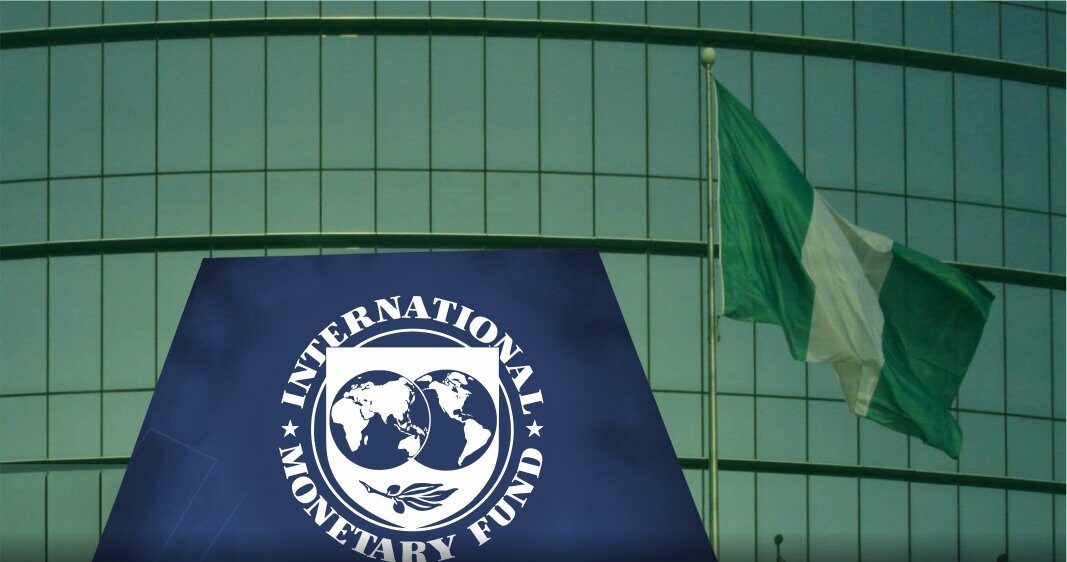
The IMF’s Resident Representative in Nigeria, Christian Ebeke, made the observation at an industry event in Lagos, not in a leaked report or a hostile press conference. “So far we think that there are about two per cent of expenditures that were not reported that should be reported and should be recorded, so that this statistical discrepancy will disappear,” he said.
He traced the gap largely to capital projects executed outside the formal budget framework, spending that shows up nowhere in the approved budget documents or the implementation reports meant to track it. That, he warned, understates the country’s real fiscal deficit and leaves fiscal and monetary authorities working from an incomplete picture of the government’s own finances.
The Minister of Finance, Taiwo Oyedele, has rejected the framing that Nigeria runs a shadow budget. He points, correctly, to multi-year capital projects, statutory transfers, first-line charges and intervention funds, all of which are authorised under various Acts of the National Assembly even when they do not appear in annual appropriations the way a line-by-line budget would present them. He is right that a difference in presentation is not, on its own, evidence of illegal spending.
But the minister’s defence answers a question nobody serious was asking. Legality was never really the point. The point is that trillions of naira moved through the Nigerian state in a form invisible to the Auditor-General, invisible to the National Assembly’s oversight committees, and invisible to citizens who are supposed to be able to trace how their taxes and their oil revenue get spent. A transaction can be perfectly legal and still be conducted in a way that makes accountability impossible. Nigeria’s problem, once again, is not that a law was broken. It is that the machinery built to catch this kind of thing was never switched on.
The African Democratic Congress( ADC)presidential candidate ,Atiku Abubakar, called the discrepancy one of the most significant fiscal accountability questions Nigeria has faced in recent years, and he is not wrong to say so. His proposed remedy is the correct one: investigative hearings by the National Assembly, a full audit by the Auditor-General, and formal inquiries by the Economic and Financial Crimes Commission(EFCC) and the Independent Corrupt Practices Commission(ICPC )into the reported gap and the roughly N800 billion he says was deducted from state allocations without explanation.
Nigeria Democratic Congress( NDC) presidential candidate ,Peter Obi’s renewed call for President Bola Tinubu to resign is, in our view, an overreach that turns a legitimate fiscal question into a campaign talking point, and it risks giving the government an easy way to dismiss a real problem as mere opposition noise. That would be a mistake. The N8.83 trillion figure, as Obi correctly notes, is larger than the combined federal allocations to education and health and represents more than a third of the capital expenditure budget. Whether one wants Tinubu to resign over it or not has nothing to do with whether the money was tracked properly, and conflating the two lets the government off the hook rather than holding it there.
There is also a cost to this kind of off-budget spending that has nothing to do with legality or politics, and everything to do with the price of bread. When government spends money that was never captured in the official ledger, it still puts naira into circulation without a matching increase in goods and services, and that is inflationary by definition. Nigerians already carrying the weight of a currency that has lost much of its value do not need an unrecorded N8 trillion adding fresh pressure to the exchange rate and the cost of living. Add to that the trajectory toward a debt-to-GDP ratio some analysts had pegged at 55 per cent by 2028, a milestone the country may now reach earlier than projected, and the unreported spending looks less like a technical footnote and more like a preview of harder years ahead.
We welcome the fact that the Federal Government says it has begun legislative reforms to bring previously unreported expenditure within the formal budget framework.That is a start, but it is not a substitute for transparency about what has already happened. Disclosure, not denial dressed up as a lecture on constitutional procedure, is what will settle whether Nigerians should trust the figures put before them each budget cycle. The National Assembly should hold the hearings Atiku is asking for, whether or not it likes where the questions came from, and the Auditor-General should be allowed to do the audit without political interference from either side of this argument.
A government that has nothing to hide should welcome scrutiny, not treat it as an attack to be managed. If the spending was legitimate, an audit will say so, and the matter ends there. If it was not, Nigerians have every right to know before the next N8 trillion disappears into the same gap.
We’ve got the edge. Get real-time reports, breaking scoops, and exclusive angles delivered straight to your phone. Don’t settle for stale news. Join LEADERSHIP NEWS on WhatsApp for 24/7 updates →
Join Our WhatsApp Channel