
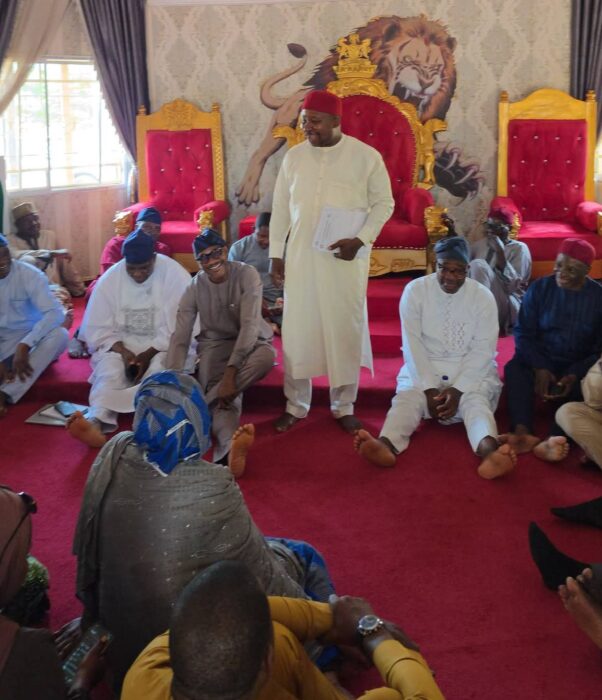
The FCT Stakeholders Assembly has commenced a territory-wide data collection exercise aimed at obtaining accurate records of village heads, youth leaders and women leaders across the 858 communities in the Federal Capital Territory.
The exercise, which began on Wednesday, September 16, 2026, in Bwari Area Council, continued yesterday in the Karu and Karshi communities under the Karu and Karshi chiefdoms in the Abuja Municipal Area Council (AMAC).
The organisers said the exercise would cover all six area councils and the 17 chiefdoms in the FCT. The data collection would also capture the deputies and secretaries of the various community leadership structures.
Speaking with journalists during the exercise, the project director / programme officer of the Assembly, Commandant Isaac David, said the exercise was necessary to address gaps in community records and provide a reliable database for grassroots planning and engagement.
David who was recently conferred as the Supreme Leader of FCT youths said accurate information on community leaders was important because the government and other stakeholders needed to know who represented the various communities before policies and development programmes could be effectively implemented.
He said, “You cannot plan effectively when you do not have accurate data. We have 858 communities in the FCT, spread across six Area Councils and 17 chiefdoms, and we need to know the leadership structure of each of these communities.
“This exercise is therefore not just about collecting names. It is about establishing authentic and verifiable records that can help in planning, coordination and engagement with the communities.”
He said the exercise would also help identify the appropriate channels of communication between the government and grassroots communities.
According to him, the absence of reliable records could create confusion over community representation and make it difficult for development agencies and government institutions to effectively engage local stakeholders.
“We want to know the village heads, the youth leaders, the women leaders, their deputies and secretaries. When there is an issue affecting a community, there should be clarity about who to engage,” he said.
David said the inclusion of youth and women leaders was particularly important because they constituted significant components of the communities and should have clearly defined channels for participating in grassroots development.
He added that the data would need to be subjected to verification to ensure that only genuine community structures were captured.
“We are interested in authentic and verifiable data. It must not be a situation where people simply present names without proper verification. The credibility of the exercise depends on the quality of the information we gather,” he said.
He said the exercise was being carried out systematically across the chiefdoms and area councils to ensure that no communities were excluded.
The stakeholders said the information generated would strengthen community structures, improve grassroots engagement and provide a clearer basis for development planning.
They also said the exercise was expected to promote more inclusive participation by ensuring that the leadership structures of communities were properly documented.
The exercise, which commenced in Bwari Area Council, is expected to continue across the remaining area councils and chiefdoms until all 858 communities are covered.
We’ve got the edge. Get real-time reports, breaking scoops, and exclusive angles delivered straight to your phone. Don’t settle for stale news. Join LEADERSHIP NEWS on WhatsApp for 24/7 updates →
Join Our WhatsApp Channel