
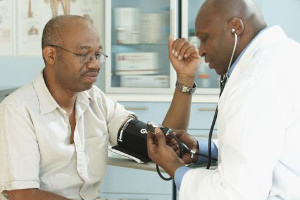
Medical experts have raised concerns over the tendency among men to delay medical consultations and routine health checks until symptoms become severe, warning that such behaviour could increase the burden of cardiovascular diseases and prostate-related conditions in Nigeria.
The experts said greater attention to preventive healthcare, including appropriate screening, healthier lifestyles and early medical intervention, could help reduce complications associated with diseases that often progress without obvious symptoms.
The call comes against the backdrop of Nigeria’s growing prostate cancer burden. Data from the International Agency for Research on Cancer (IARC) showed that prostate cancer accounted for 18,019 new cases among Nigerian men in 2022, representing 37.5 per cent of all new male cancer cases recorded that year. It was also the leading cause of cancer deaths among Nigerian men, according to the same dataset.
Speaking during a webinar on men’s health, Consultant Cardiologist Dr Oladeji Olajide identified delayed healthcare-seeking behaviour as one of the factors that could leave men exposed to preventable health complications.
He said cardiovascular disease remained closely associated with risk factors such as hypertension, diabetes, abnormal cholesterol levels, smoking and obesity, stressing that early identification and management of these conditions were important in reducing the likelihood of serious complications.
Olajide urged men to pay closer attention to basic health indicators, including blood pressure, blood glucose, cholesterol levels and body mass index, rather than waiting for noticeable symptoms before seeking medical attention.
According to him, lifestyle choices also play an important role in determining cardiovascular risk, particularly among people with existing risk factors. He therefore encouraged men to improve their diet, maintain healthy body weight, exercise regularly and avoid tobacco use.
He also explained that diabetes and hypertension could occur together, noting that diabetes can contribute to elevated blood pressure through its effects on blood vessels and kidney function. He advised people with pre-diabetes to adopt appropriate dietary and lifestyle changes to reduce their risk of progressing to diabetes.
Clinical and Radiation Oncologist Dr Habibu Muhammad, while speaking on prostate health, said prostate conditions become more common with increasing age and could include benign prostatic enlargement, prostatitis and prostate cancer.
He stressed that prostate cancer could develop without obvious symptoms in its early stages, making awareness of individual risk and timely medical assessment important.
The IARC data reinforces the concern. Of the 48,096 new cancer cases recorded among Nigerian men in 2022, prostate cancer accounted for 18,019 cases, far ahead of colorectal cancer, which recorded 4,507 cases. Prostate cancer also accounted for 12,495 estimated deaths among Nigerian men that year.
However, health experts caution that prostate cancer screening should not simply mean indiscriminate testing of every man. Nigeria’s National Cancer Screening and Early Diagnosis Guidelines state that mass prostate cancer screening should be strongly discouraged, while PSA testing should be undertaken within an appropriate clinical assessment and followed by further evaluation where necessary.
The guidelines indicate that PSA testing should be available at level-three hospitals and above as well as accredited private facilities, with men receiving appropriate information about the benefits and limitations of the test before undergoing it.
The World Health Organisation has similarly noted that systematic PSA screening of all men above a particular age is not recommended because of concerns around the balance between benefits and potential harms, including overdiagnosis and unnecessary treatment.
Muhammad therefore urged men, particularly those with increased risk factors or a family history of prostate cancer, to discuss appropriate assessment with qualified healthcare professionals rather than waiting for symptoms to become severe.
The experts also noted that prostate conditions and their treatment can affect sexual function in some men, making early medical assessment important where urinary, sexual or other related symptoms develop.
During the discussion, participants also raised questions about blood pressure, pre-diabetes, the use of hypertension medication, coffee consumption, prostate health and sexual performance.
The experts stressed that preventive healthcare should not be reduced to periodic laboratory tests, but should include sustained attention to diet, physical activity, weight, blood pressure, blood sugar, tobacco and alcohol use, as well as timely medical consultation.
The World Health Organisation’s guidance for men’s health also recommends regular health checks, including assessment of blood pressure, blood sugar and prostate health where appropriate, alongside measures such as reducing harmful alcohol use and maintaining healthier lifestyles.
However, with prostate cancer already accounting for more than a third of newly diagnosed cancers among Nigerian men in the latest IARC data, the experts said a shift towards risk awareness, early diagnosis and preventive healthcare could help address the consequences of delayed presentation.
We’ve got the edge. Get real-time reports, breaking scoops, and exclusive angles delivered straight to your phone. Don’t settle for stale news. Join LEADERSHIP NEWS on WhatsApp for 24/7 updates →
Join Our WhatsApp Channel