
The National Emergency Management Agency (NEMA) has recorded 245 deaths and the displacement of 214,997 persons following flooding across 28 states, as it moves to strengthen emergency response and prepare for the anticipated 2026/2027 El Niño phenomenon.
Recall that LEADERSHIP, in an editorial titled “Floods Predicted, Disasters Not Prevented”, warned of the impact of flooding.
The agency’s flood dashboard showed that 673,350 persons had been affected across 134 Local Government Areas as of October 20, 2026, highlighting the scale of the humanitarian crisis confronting affected communities.
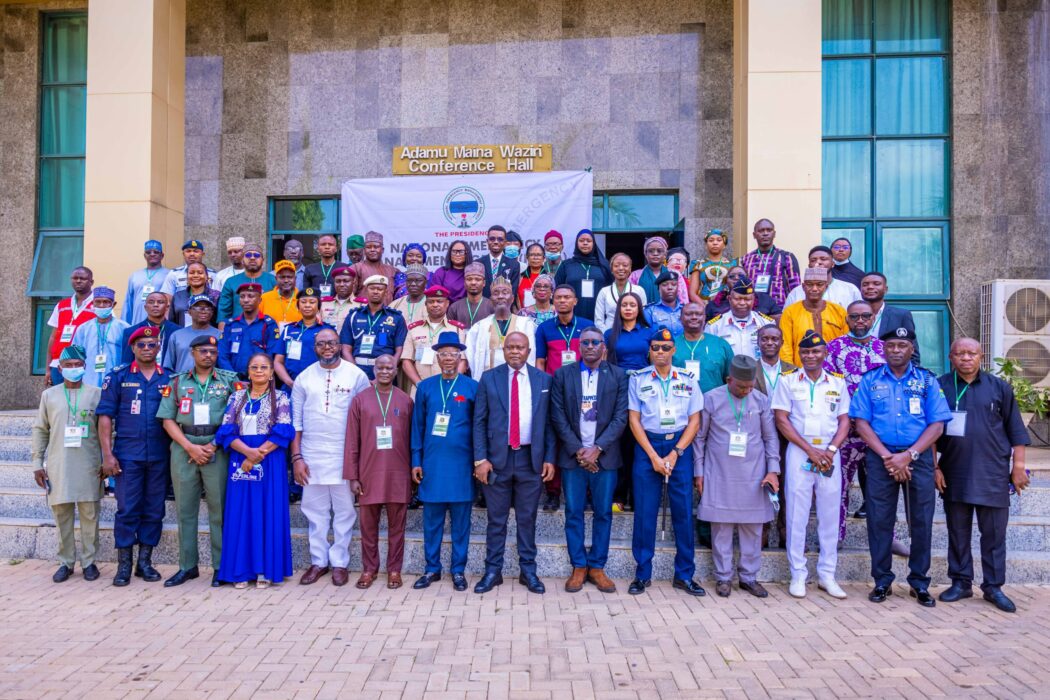
The figures were disclosed at the National Emergency Coordination Forum (NECF), convened by NEMA in Abuja on Thursday to review ongoing flood response operations, identify gaps in emergency interventions and improve coordination among government agencies and humanitarian partners.
Speaking at the meeting, NEMA director-general, Mrs Zubaida Umar, said the scale of the flooding required stronger collaboration among relevant institutions to address the needs of affected populations and improve preparedness for emerging disaster risks.
Umar, who was represented by the director of planning, research and forecasting, Dr Godwin Topikor, called for improved information sharing, heightened surveillance and coordinated interventions to ensure that assistance reached vulnerable communities.
She warned that displacement, poor sanitation and limited access to essential services could increase public health risks in flood-affected areas, stressing the need for closer coordination between emergency management and health institutions.
The director-general also urged stakeholders to begin preparations for the anticipated 2026/2027 El Niño phenomenon by harmonising climate forecasts, assessing potential hazards and translating early warning information into practical preventive measures.
She said effective disaster management required a proactive, multisectoral approach that prioritised early warning, preparedness, risk reduction, timely response and sustainable recovery.
Umar further called on participating institutions to eliminate duplication of efforts and pay particular attention to women, children, older persons and persons with disabilities, who are often more vulnerable during emergencies.
The forum featured technical presentations on the current flood situation, cholera updates, the anticipated El Niño phenomenon and its possible hydrological implications, as well as global and regional climate outlooks.
Participants also examined preparedness and response priorities across critical sectors, including food security, healthcare, education, water, sanitation and hygiene, nutrition, protection, emergency shelter, logistics, security and information management.
The discussions aimed to identify operational gaps and align interventions among institutions responsible for responding to disasters and supporting affected populations.
In his welcome address, the deputy director of planning, research and forecasting, Mr Tony Ephraim, urged participants to contribute practical recommendations to improve coordination, information sharing, and the country’s capacity to manage emergencies.
Representatives of the Federal Ministries of Health and Social Welfare, Environment, Information and National Orientation, and Education attended the meeting alongside security agencies, emergency responders, humanitarian organisations and development partners.
Other participating institutions included the Armed Forces of Nigeria, Nigeria Police Force, Nigeria Security and Civil Defence Corps, Nigeria Hydrological Services Agency, Nigerian Meteorological Agency, Nigeria Centre for Disease Control, Federal Road Safety Corps, Federal Fire Service and Nigerian Red Cross Society.
We’ve got the edge. Get real-time reports, breaking scoops, and exclusive angles delivered straight to your phone. Don’t settle for stale news. Join LEADERSHIP NEWS on WhatsApp for 24/7 updates →
Join Our WhatsApp Channel