
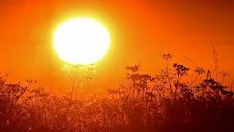
Nigerians have been urged to take preparations for extreme weather seriously following a new projection that the country could record an additional 31,400 heat-related deaths between September 2026 and February 2027 as El Niño intensifies.
The Climate Impact Lab’s estimate places Nigeria among the countries expected to experience the greatest increase in heat-related deaths over the six-month period. Across Africa’s wider Sahel region, the research group projects 66,800 additional heat-related deaths, with nearly half expected in Nigeria.
The projections came amid warnings from the World Meteorological Organisation (WMO) and the United Nations Office for the Coordination of Humanitarian Affairs (OCHA) that the current El Niño event could reach unprecedented strength, increasing the risks of extreme heat, drought and flooding in vulnerable communities.
Speaking at a joint press conference on October 21, WMO Secretary-General Celeste Saulo said the event could peak towards the end of 2026, with its effects continuing long afterwards. The agency’s latest seasonal climate outlook forecasts that sea-surface temperatures in the tropical Pacific could reach 3.8°C above average between November 2026 and January 2027.
Meanwhile, UN humanitarian chief Tom Fletcher warned that about 50 million people could face increased hunger, while the African Development Bank estimates that the crisis could cost African countries between $10 billion and $20 billion and reduce their gross domestic product by between one and two per cent.
Although the projections do not mean that every Nigerian community will experience the same conditions, they underscore the importance of early preparation.
Here are 10 things Nigerians should do to prepare for possible extreme weather.
1. Protect Yourself Against Extreme Heat
Residents should drink water regularly, wear light, loose-fitting clothing, seek shade, and, where possible, limit strenuous outdoor activities during the hottest parts of the day.
Outdoor workers, traders, construction workers, farmers, older people and young children may be particularly vulnerable to dangerous heat.
Employers should consider providing drinking water, shaded rest areas and appropriate breaks for workers exposed to high temperatures.
Confusion, collapse or altered consciousness during extreme heat can indicate a medical emergency requiring immediate assistance.
2. Follow Official Weather Forecasts And Warnings
Nigerians should avoid relying solely on viral messages or dramatic social media predictions about El Niño.
The Nigerian Meteorological Agency (NiMet) provides weather forecasts, seasonal climate information and agricultural advisories. Residents should check updates relevant to their state and local government area.
The Nigeria Hydrological Services Agency (NIHSA) also publishes information on flood and water-related risks, while the National Emergency Management Agency (NEMA) provides disaster preparedness guidance.
El Niño does not produce identical weather conditions everywhere, making local forecasts essential.
3. Prepare Your Home And Family For Possible Flooding
Despite concerns about dry spells and extreme heat, flooding remains a serious risk in vulnerable communities.
Heavy rainfall concentrated within a short period can overwhelm drainage systems, flood roads and damage homes.
Residents should clear drainage channels where safe, secure important documents in waterproof bags, keep essential medicines accessible and identify safer routes out of flood-prone neighbourhoods.
Families should agree on an emergency meeting point and follow evacuation instructions from the relevant authorities.
Never walk or drive through floodwater.
4. Farmers Should Review Planting And Water-Management plans
Farmers who depend on rainfall should follow NiMet’s updated forecasts and consult agricultural extension officers before making planting decisions.
Unpredictable rainfall and prolonged dry spells can disrupt planting schedules, damage crops, and reduce harvests.
Depending on local conditions and expert advice, farmers can consider suitable crop varieties, staggered planting, water conservation, improved soil moisture management and efficient irrigation where available.
Livestock owners should also assess their access to water and pasture.
However, farmers should not change their plans based solely on the global El Niño warning; local agricultural forecasts are more useful for deciding what to plant and when.
5. Plan For Possible Water Shortages
Households should check their water supplies, repair leaking taps and store clean water safely in covered containers.
Farmers and livestock owners should assess how much water they may need during prolonged dry spells and explore practical conservation measures.
Communities that depend on vulnerable water sources should pay attention to official guidance on water availability and quality.
6. Review Household Food Spending Without Panic-buying
The UN has warned that El Niño could worsen existing food insecurity, with about 50 million people potentially facing increased hunger.
For Nigerian households, the possibility of weather-related disruption to agriculture and transport makes food planning important.
Families can review their budgets, reduce food waste, store affordable staples safely and plan meals around foods they regularly consume.
However, food-price increases are not inevitable. Prices also depend on insecurity, transport costs, storage costs, imports, exchange rates, and other economic conditions.
7. Prepare An Emergency Bag
Households in areas exposed to flooding or other severe weather should prepare an emergency bag containing essential items.
These may include identification documents, medicines, a first-aid kit, a torch, batteries, a power bank, drinking water, basic food and emergency contact details.
Important documents and valuable items should be kept above areas likely to be affected by floodwater.
Preparation is particularly important for households with children, older people, persons with disabilities and people who depend on regular medication.
8. Check On Vulnerable People In Your Community
Extreme heat and other weather emergencies do not affect everyone equally.
Older people, young children, people with certain health conditions and those without reliable access to water or cooling may face greater risks.
Families and neighbours should check on vulnerable people during periods of unusually high temperatures and help them access water, shade, medical care or safer accommodation when needed.
9. Make An Emergency And Financial Plan
The economic consequences of extreme weather can extend beyond immediate damage to homes and farms.
With the African Development Bank estimating that the broader crisis could cost African countries between $10 billion and $20 billion, governments and households alike have reason to consider their financial resilience.
Where possible, households should set aside an emergency reserve, keep essential documents accessible and identify how they would obtain food, medicine or temporary accommodation if their homes became unsafe.
Farmers and small businesses can also review contingency plans for possible disruptions to production, transport or access to water.
10. Share Verified Information And Act Early
The final step is to ensure that warnings reach the people who need them.
Residents should share credible updates from NiMet, NIHSA, NEMA and their state emergency management agencies rather than forwarding unverified claims that Nigeria is certain to experience nationwide drought or catastrophic flooding.
Community organisations, employers, schools and local authorities can help circulate heat-safety advice and identify safe locations during emergencies.
When authorities issue evacuation warnings, residents should act promptly rather than wait until conditions become dangerous.
We’ve got the edge. Get real-time reports, breaking scoops, and exclusive angles delivered straight to your phone. Don’t settle for stale news. Join LEADERSHIP NEWS on WhatsApp for 24/7 updates →
Join Our WhatsApp Channel