A senior lecturer at the University of Lagos (UNILAG), Dr Femi Aiyegbajeje, has called for the death penalty for railway infrastructure vandals, warning that attacks on critical transport assets undermine mobility, logistics efficiency and economic growth.
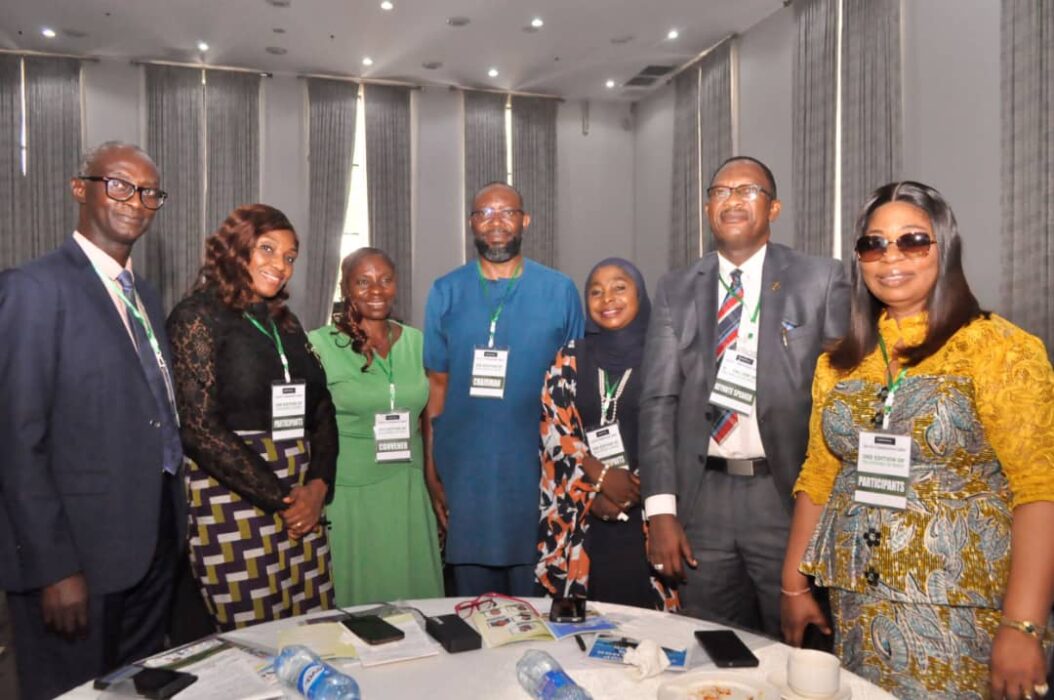
Aiyegbajeje made the call on Friday at the second edition of the Nigeria Transport Summit, organised by JustAlive Communications Limited in Ikeja, Lagos. The summit was themed, “Navigating Global Disruption and the Road Ahead: Mobility, Energy and Trade Facilitation for Resilient Future.”
Covenant, UI, UNILAG Lead Nigeria In 2027 Global University Rankings
NANS Urges UNILAG To Reopen Registration Portal Ahead Of Exams
Do Not Shake Hands With Any Man, UNILAG Warns Female Students In Sexual Assault Advisories
He described rail transport as critical national infrastructure that must be protected from vandalism, noting that an efficient railway system could improve freight movement, reduce logistics bottlenecks and support economic development.
According to him, rail transport is particularly suited to moving large volumes of freight reliably over medium and long distances, making it an important component of an efficient national transportation network.
“Rail creates national value when it operates as part of an end-to-end logistics chain, rather than as an isolated asset. It should serve as the backbone where it is competitive, while road, maritime and air transport retain complementary roles,” he said.
Speaking at the summit, the Executive Director of Operations and Technical at Tantita Security Services Nigeria Limited, Warredi Enisuoh, called for the integration of security awareness into Nigeria’s school curriculum from the basic education level.
He also advocated the deployment of advanced facial recognition technology and long-range thermal drones to strengthen the protection of vulnerable supply chains and critical infrastructure.
Enisuoh, an airline captain, shipmaster and maritime security expert, said criminals often exploit public unawareness and weaknesses in existing security systems to carry out attacks.
He stressed that Nigeria could no longer afford to respond to security threats only after they had occurred, arguing that greater public awareness would help citizens identify and prevent potential dangers.
“Security awareness is critical because criminals take advantage of people’s lack of awareness. When people are alert to their surroundings and understand potential threats, it becomes more difficult for perpetrators to exploit them,” he said.
Enisuoh said security education should begin early, particularly as kidnapping and other security threats continued to affect communities across the country.
“The level of insecurity confronting Nigeria is not adequately reflected in what our children are taught in school. We should begin teaching security awareness at the basic education level,” he said.
He added that many people underestimated the risks until they or someone close to them became victims.
“Those who may be kidnapped tomorrow are living freely today. Many people assume that insecurity will not affect them, but those who were abducted yesterday may have thought the same way. We must incorporate security education into our school curriculum because this challenge is not going away,” he said.
Beyond domestic security, Enisuoh urged the Federal Government to strengthen the protection of Nigeria’s territorial waters against illegal fishing and other forms of maritime resource exploitation.
He alleged that foreign vessels were exploiting Nigeria’s maritime resources and called for more effective surveillance and enforcement to protect the country’s marine wealth.
“Many ships come into Nigerian waters with the intention of stealing our resources, but we are expanding our coverage,” he said.
Enisuoh argued that Nigeria’s marine resources should receive as much attention as crude oil, adding that the country could generate greater economic value from its fisheries and solid mineral deposits.
He also called for the proper regulation and commercial development of solid minerals, saying diversification could reduce the country’s dependence on petroleum revenues.
According to him, effective management of mineral resources could increase national revenue, improve public services and create opportunities for broader economic development.
Earlier, the convener of the summit, Pearl Ngwama, warned that geopolitical instability, volatile oil prices and disruptions to international shipping were increasing pressure on Nigeria’s economy through higher transportation and logistics costs.
She said global crises were worsening domestic cost pressures, raising operating expenses for transport operators and adding to the financial burden on businesses and consumers.
Ngwama cited data attributed to the United States Energy Information Administration showing that crude oil prices rose to $131 per barrel in mid-September 2026 following attacks on international energy infrastructure.
“For the transport industry, the consequences are immediate. Airlines face rising aviation fuel bills, shipping companies contend with higher vessel operating and insurance costs, while road haulage operators face increased fuel expenses.
“Businesses must absorb higher logistics costs, which ultimately translate into increased passenger fares, more expensive goods and reduced competitiveness,” she said.
She also cited reports by the United Nations Conference on Trade and Development and Reuters indicating that shipping throughput through the Red Sea remained 70 per cent below 2023 levels, while the cost of chartering supertankers on key international routes had risen sharply.
Ngwama said the disruptions highlighted Nigeria’s vulnerability to external economic shocks, particularly because of inefficiencies and poor coordination across its transportation networks.
While acknowledging that Nigeria could not control international conflicts or global oil prices, she said the country could reduce their domestic impact by improving transport infrastructure, strengthening operational efficiency and adopting coordinated policies.
“Nigeria cannot control global oil prices or determine the outcome of international conflicts. However, we can strengthen our domestic transport infrastructure, improve operational efficiency and develop policies that reduce the extent to which external shocks undermine our economy,” she said.
She called for better coordination among the aviation, maritime, rail, road and inland waterways sectors, warning that fragmented planning was limiting the economic benefits of investments in transportation infrastructure.
According to her, seaports cannot realise their full economic potential without efficient cargo evacuation, while railways require effective connections to ports, industrial centres and road networks to deliver maximum value.
Ngwama said integrating the different transport modes would improve logistics efficiency, strengthen trade facilitation and help shield Nigerian businesses and households from some of the effects of global disruptions.
We’ve got the edge. Get real-time reports, breaking scoops, and exclusive angles delivered straight to your phone. Don’t settle for stale news. Join LEADERSHIP NEWS on WhatsApp for 24/7 updates →
Join Our WhatsApp Channel