In Nigerian music, a hit song rarely lands on its own; it usually arrives with a signature movement that takes over dance floors, street corners, and music videos. For more than two decades, local artistes have leveraged custom dance steps to launch records, turn street subcultures into national trends, and project Nigerian pop culture onto the global stage.
Here are seven major afro-pop and street dance trends that have captivated music fans over the years:
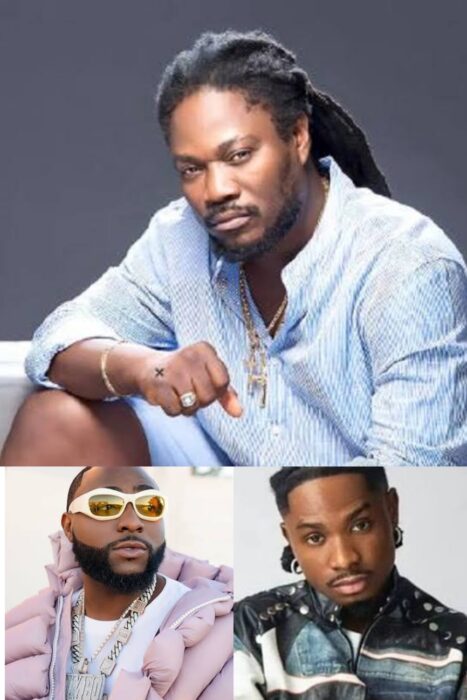
Galala (Early 2000s): Originated by reggae-dancehall pioneers like Daddy Showkey in the working-class neighborhood of Ajegunle, Galala features fast footwork, bent knees, and expressive waist rotations.
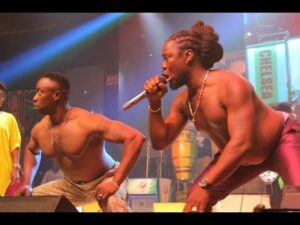
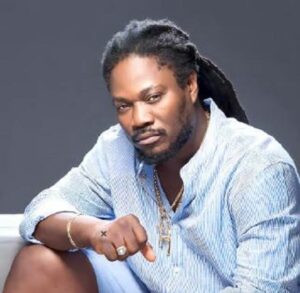
Yahooze (2007): Released by Olu Maintain, this club anthem introduced a dance where partygoers point two hands upward in a money-spraying gesture, defining an era of late-2000s night life.

Alanta (2008): Created by musical group Artquake, Alanta brought a chaotic energy to the dance floor with raised shoulders, outward elbows, and exaggerated scratching or fanning gestures.
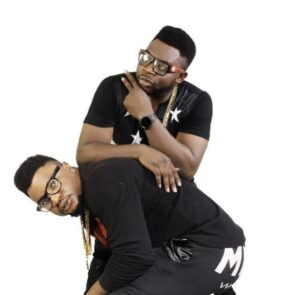
Skelewu
(2013): Promoted by Davido through one of Nigeria’s first viral social media dance contests, Skelewu relies on a backward shoulder roll paired with one arm stretched forward.
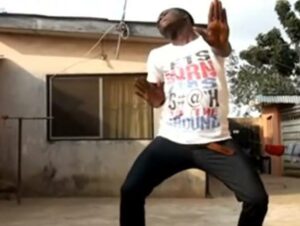
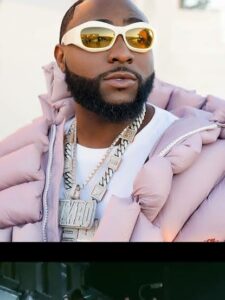
Shoki (2014): Popularized by street-pop artiste Lil Kesh, Shoki features rapid upper-body and shoulder shaking combined with sharp, martial arts-inspired hand and leg routines.
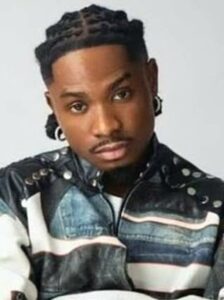
Shaku Shaku (2017): Born out of Agege, Lagos, this dance step blends cross-armed foot shuffling with a relaxed posture and rhythmic shoulder shrugs.
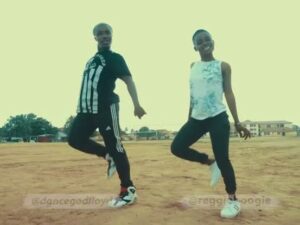
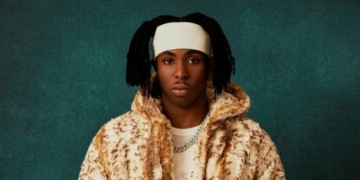
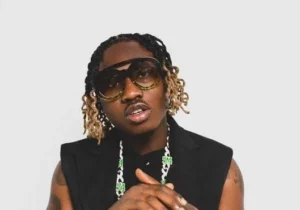
Zanku (2018): Introduced by street-hop artiste Zlatan Ibile, Zanku (an acronym for Zlatan Abeg No Kill Us) is built on high-energy legwork, heavy foot stomping, and explosive jumps.
We’ve got the edge. Get real-time reports, breaking scoops, and exclusive angles delivered straight to your phone. Don’t settle for stale news. Join LEADERSHIP NEWS on WhatsApp for 24/7 updates →
Join Our WhatsApp Channel