

For many Nigerian families, having a child born with a cleft lip or palate marks the beginning of a long journey that extends beyond the operating theatre.
While surgery can correct the physical opening associated with the condition, it may not end the child’s need for medical attention, nutritional support, speech therapy, dental care and long-term follow-up.
For families with limited financial resources, accessing these services can be difficult. The challenge becomes more complicated when specialist facilities are located far from their communities, transportation costs are prohibitive, or they must depend on charitable organisations to access treatment.
Although interventions by organisations supporting cleft care have improved access to treatment in the country, healthcare professionals said the county must move beyond charity-driven services towards a sustainable system that guarantees comprehensive care for every child born with the condition.
At the 6th Biennial Conference of the Pan-African Association for Cleft Lip and Palate (PAACLIP), held in Abuja, healthcare professionals, researchers, advocates and development partners examined strategies for strengthening cleft-care services across Africa.
With the theme, “Building Resilient and Sustainable Cleft Care in Africa,” the conference highlighted the need for stronger government commitment, sustainable financing, investment in local medical expertise and integration of cleft services into national healthcare systems.
Cleft lip and palate are congenital conditions that occur when certain facial structures do not fuse completely during early pregnancy. Depending on the type and severity, the conditions can affect feeding, speech, hearing, dental development and facial appearance.
For affected children, surgery is often an essential part of treatment. However, comprehensive care may require several interventions at different stages of their development.
Some children need nutritional support before surgery, while others require speech therapy, orthodontic treatment, dental services and continued medical assessments as they grow.
This means that the cost of care can extend well beyond the initial operation, placing additional pressure on families already struggling to meet their basic needs.
The President and chief executive officer of Smile Train, Dr Susannah Schaefer, said sustainable cleft care meant ensuring that children and their families could access the services they needed for as long as necessary.
She explained that cleft care should not be treated as a one-time intervention, stressing that surgery was only one part of a much longer treatment journey for many children.
According to her, Smile Train partners worldwide delivered more than 131,000 non-surgical interventions in 2025, including speech, orthodontic and nutrition services.
Schaefer said the organisation’s approach focused on strengthening local healthcare professionals and institutions rather than relying on visiting medical teams to provide temporary services.
Twenty-seven years after the organisation was established, she said a child received safe, high-quality surgery through a Smile Train partner approximately every five minutes.
However, she noted that the availability of surgery alone did not guarantee comprehensive care.
Families must also overcome practical barriers, including transportation costs, geographical distance, shortages of trained personnel and fragmented healthcare services.
Schaefer said sustainable cleft care required stronger specialist centres, greater investment in local capacity, improved data systems, digital technology and better integration with national health systems.
For Nigeria, the challenge is to make comprehensive cleft care a routine component of healthcare delivery rather than a service dependent primarily on charitable organisations or families’ ability to pay.
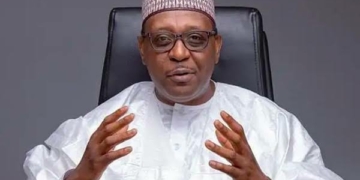
Representing the Minister of State for Health and Social Welfare, Dr Iziaq Adekunle Salako, at the conference, the Director of Hospital Services in the ministry, Dr Abisola Adegoke, conveyed the Federal Government’s commitment to strengthening healthcare services through existing national systems.
The minister said the government was determined to ensure that cleft care became a routine part of healthcare delivery.
“Our task is to make cleft care a routine business for the health system, not an act of charity,” he said.
He said the Federal Government would work with relevant professional associations and the National Health Insurance Authority (NHIA) to examine a comprehensive cleft-care package for children under five within the vulnerable-groups framework.
If developed and adequately funded, such a package could help reduce the financial burden on families and improve access to essential services.
The proposal is particularly significant because the cost of cleft care can involve more than surgery. Depending on the child’s needs, families may have to pay for consultations, diagnostic assessments, medication, transportation, speech therapy and orthodontic treatment.
For low-income households, these expenses can make it difficult to complete treatment or maintain regular follow-up.
Health insurance coverage could provide a more structured mechanism for financing essential services. However, its effectiveness would depend on the scope of the benefits, the availability of qualified providers and the resources committed to implementation.
The minister also outlined plans to strengthen cleft-care services at the primary healthcare level, support team-based training for health workers and incorporate cleft-related information into the national health information system.
He further called for better coordination among government agencies, professional associations, development partners and private-sector organisations to ensure that available resources supported national priorities.
These measures could help move cleft care away from isolated interventions towards a coordinated system in which patients can be identified, referred, treated and followed up.
However, translating the commitments into lasting improvements will require sustained financing, clear implementation plans and accountability for results.
For years, charitable organisations and development partners have played important roles in expanding access to cleft treatment, supporting healthcare professionals and helping families overcome financial barriers.
Their contributions have helped make surgery and other services available to children who might otherwise have gone without treatment.
However, stakeholders at the conference stressed that the long-term sustainability of cleft care requires governments to take greater responsibility for integrating the services into national health systems.
The President of the Nigerian Association for Cleft Lip and Palate (NACLP), Dr Seidu Bello, called on the Federal Government to include cleft lip and palate and other major oral diseases under the NHIA framework.
He said such coverage would enable indigent and low-income Nigerians to access essential oral-health services without facing financial barriers that could prevent them from seeking care.
Bello also urged the government to establish at least one community dental clinic in a primary healthcare centre in each of Nigeria’s 774 local government areas.
According to him, the clinics could provide oral-health education, counselling, preventive services, early detection of oral diseases and referrals for cases requiring specialist attention.
He argued that integrating oral health into primary healthcare would bring services closer to communities and reduce the difficulties associated with accessing treatment.
The proposal also highlights a broader weakness in healthcare delivery: the distance between where patients live and where specialised services are available.
For children born with cleft conditions, community-based services could help with early identification and referral, while specialist centres would continue to provide surgery and other complex interventions.
Bello further advocated strengthening the Dentistry Division of the Federal Ministry of Health and Social Welfare and, where administratively feasible, restructuring or renaming it as an Oral Health Division.
He said this would provide a broader framework for coordinating cleft conditions, dental diseases, noma and other oral-health challenges.
Taken together, these proposals call for a shift in how oral health is prioritised, financed and delivered within Nigeria’s healthcare system.
Sustainable cleft care also depends on the availability of skilled professionals capable of providing treatment consistently.
Without adequately trained surgeons, anaesthetists, nurses, orthodontists, speech-language pathologists and other specialists, expanding access to surgery alone will not meet the complex needs of patients.
This is where investment in local medical capacity becomes particularly important.
Smile Train has supported cleft-care services in Nigeria since 2002, contributing to professional training, hospital capacity, patient mobilisation and other aspects of treatment.
Bello said the partnership had helped increase the number of patients treated and strengthened the capacity of Nigerian institutions to provide cleft care.
Reflecting on the progress, he said that before becoming a consultant, he had encountered only about five cleft cases. Today, he said, he could see the same number within a single month in his clinic.
He described the change as evidence of what sustained investment in cleft care could achieve.
For Schaefer, supporting local healthcare professionals is central to ensuring that treatment remains available to patients over time.
Rather than relying on temporary interventions, she said, sustainable care required investment in the professionals and institutions already serving their communities.
This approach also creates opportunities for African healthcare professionals to lead research, develop locally appropriate treatment models and strengthen collaboration across borders.
The PAACLIP President, Professor Adeola Olusanya, said the barriers to comprehensive cleft care required a multidisciplinary approach involving surgeons, nurses, anaesthetists, orthodontists, speech-language pathologists and community advocates.
She said the conference provided an opportunity for African professionals to share knowledge, strengthen local capacity and develop sustainable solutions suited to the continent’s healthcare realities.
Olusanya also described the gathering as a milestone because it marked the first time a national cleft association was hosting a PAACLIP conference.
She said the development represented progress towards a stronger African voice in global cleft-care advocacy and the promotion of locally led solutions.
Another important component of sustainable cleft care is the ability of health authorities to identify patients, understand their needs and monitor access to services.
Without reliable information, it can be difficult to determine how many children require treatment, where they live, which services are available and what barriers prevent them from completing care.
The Federal Government said it would support the integration of cleft-related information into the National Health Management Information System to improve reporting and guide planning and budgeting.
A functional information system could help authorities identify gaps in service delivery, allocate resources more effectively and monitor progress towards expanding access.
When children with cleft conditions are identified early and connected to appropriate services, healthcare teams can assess their needs and plan treatment according to their individual circumstances.
Primary healthcare facilities can play a role in identifying affected children and referring them to specialist centres. Digital technology and telehealth may also help connect frontline health workers with specialists, particularly where geographical barriers limit access to expertise.
However, these interventions must be supported by adequate staffing, functioning referral arrangements, appropriate equipment and sustainable funding.
Technology and data collection alone cannot guarantee access to treatment unless health facilities have the capacity to respond to the needs identified.
For families affected by cleft conditions, the consequences of inadequate access to comprehensive care can extend beyond the immediate medical challenges.
Children who experience difficulties with feeding may require specialised support to meet their nutritional needs. Those with speech difficulties may need sustained therapy, while dental and orthodontic concerns can require continued attention as they grow.
The demands can place considerable pressure on parents and caregivers, particularly when treatment involves repeated journeys to specialist facilities.
Where services are unaffordable or unavailable, families may struggle to complete the recommended course of care.
These challenges reinforce the need to view cleft treatment as a long-term healthcare responsibility rather than an isolated charitable intervention.
They also demonstrate why financial protection must be considered alongside the availability of trained professionals and equipped facilities.
The Federal Government’s proposal to explore an insurance package for children under five offers a potential route towards reducing the financial burden. However, the impact will depend on whether the package covers the range of services children need and whether families can access participating facilities.
Similarly, establishing community dental clinics across the 774 local government areas would require adequate staffing, equipment, funding and clear referral pathways to specialist centres.
For the proposals to produce lasting change, government commitments must translate into funded programmes with measurable outcomes.
From Commitments To Lasting Change
The discussions at the PAACLIP conference highlighted a shared ambition: ensuring that every African child born with a cleft has access to safe, affordable and comprehensive care.
Achieving this goal will require governments to strengthen healthcare systems, development partners to continue investing in local capacity, and professional associations to sustain advocacy and collaboration.
For Nigeria, integrating cleft care into health insurance, strengthening oral-health services at the primary healthcare level, investing in specialist training and improving patient data could provide important foundations for a more sustainable system.
However, the success of these measures will ultimately depend on implementation. Moving beyond charity will require turning policy commitments into reliable services that families can access throughout a child’s treatment journey.
We’ve got the edge. Get real-time reports, breaking scoops, and exclusive angles delivered straight to your phone. Don’t settle for stale news. Join LEADERSHIP NEWS on WhatsApp for 24/7 updates →
Join Our WhatsApp Channel