President Bola Tinubu’s promise to end estimated electricity billing and ensure stable power supply remains one of the major expectations Nigerians have of his administration.
During a meeting with members of the Organised Private Sector in Lagos ahead of the 2023 general elections, Tinubu pledged to address the country’s electricity challenges, assuring Nigerians that they would have electricity and no longer pay estimated bills.
“Whichever way, by all means necessary, you will have electricity, and you will not pay for estimated bills anymore,” he said.
He also challenged Nigerians not to vote for him for a second term if he failed to fulfil the promise without providing adequate reasons for his inability to do so.
Since assuming office in May 2023, the president has introduced several interventions aimed at addressing the country’s longstanding electricity problems, including signing the Electricity Act 2023, approving the Presidential Metering Initiative and initiating a debt repayment programme for power generation companies.
However, millions of Nigerians continue to experience irregular electricity supply, estimated billing and other challenges associated with the country’s power sector.
Here are five things Nigerians are still waiting for from Tinubu’s electricity promise.
1. Stable And Reliable Electricity Supply
One of the major expectations from Tinubu’s electricity promise is a consistent power supply across the country.
Despite several interventions by successive administrations, many Nigerian households and businesses continue to experience frequent power outages and irregular electricity supply.
For many Nigerians, the expectation remains that electricity should be available consistently enough to reduce dependence on petrol and diesel generators.
2. An End To Estimated Electricity Billing
Another major promise Nigerians are waiting for Tinubu to fulfil is an end to estimated electricity billing.
The president had specifically assured Nigerians that they would no longer be charged for electricity consumption without proper metering.
To address the challenge, his administration introduced the Presidential Metering Initiative (PMI) in November 2023, targeting the deployment of millions of electricity meters across the country.
However, millions of electricity customers are still without meters.
Although the government has recorded progress in meter deployment, the remaining gap means that millions of Nigerians are still exposed to estimated billing.
3. Adequate Electricity Generation To Meet Demand
Nigerians are also waiting for significant improvements in electricity generation to ensure that available power meets the country’s growing demand.
Although Nigeria has an installed generation capacity of more than 13,000 megawatts, the country has struggled to generate and deliver sufficient electricity to consumers.
The International Energy Agency reported that the average availability of Nigeria’s 28 grid-connected power plants remained below 40 per cent in the first half of 2025.
It identified gas supply challenges, ageing generating units, poor maintenance and financial difficulties across the electricity value chain as major constraints.
Tinubu’s administration has introduced interventions to address some of these problems. However, Nigerians are still waiting for these interventions to translate into a substantial and sustained increase in electricity available to homes and businesses.
4. Modern And Efficient Electricity Transmission Infrastructure
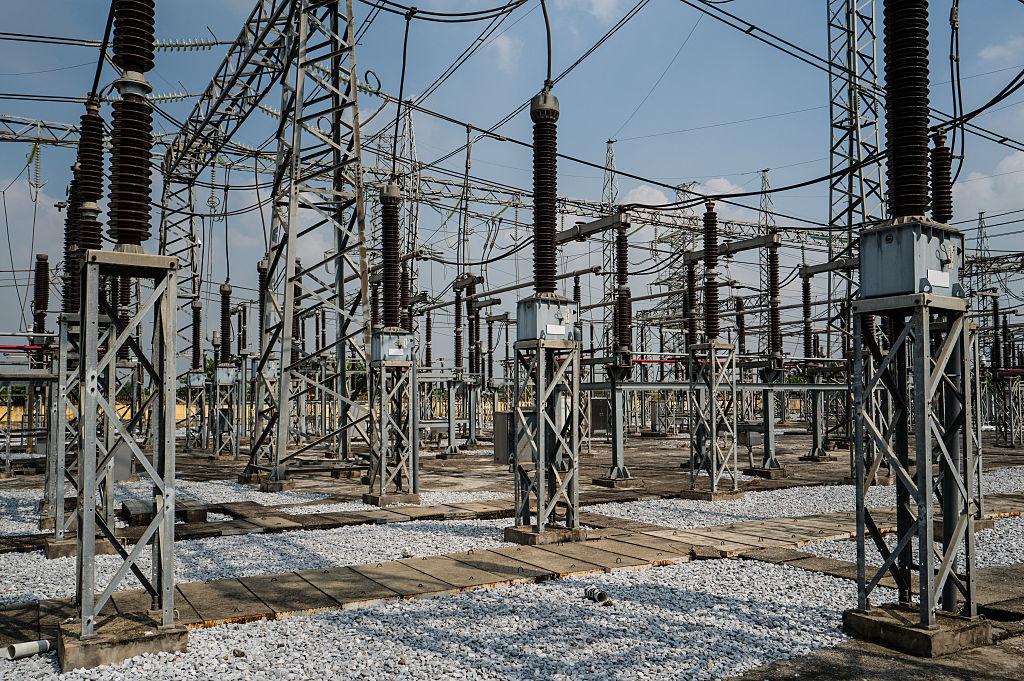
Another major expectation is an improvement in Nigeria’s electricity transmission network to ensure that generated power can reach distribution companies and ultimately consumers.
Nigeria’s transmission infrastructure has faced years of underinvestment, technical limitations and inadequate capacity to evacuate available electricity from generating stations.
In September 2026, the Federal Government commenced construction of a new National Control Centre in Osogbo, Osun State, to replace the existing 64-year-old facility.
The government has also announced plans for an East-West super grid and approved projects involving the construction of new transmission substations and upgrades to existing facilities.
However, these projects are yet to deliver their full benefits.
5. Fair Electricity Bills And Improved Consumer Protection
Beyond stable electricity and access to meters, Nigerians also expect a billing system that reflects the actual quality and quantity of electricity supplied.
The introduction of service-based electricity tariffs was intended to ensure that customers receiving more hours of electricity pay tariffs that reflect their level of service.
However, electricity affordability remains a major concern for households and businesses, particularly following tariff increases affecting some customer categories.
We’ve got the edge. Get real-time reports, breaking scoops, and exclusive angles delivered straight to your phone. Don’t settle for stale news. Join LEADERSHIP NEWS on WhatsApp for 24/7 updates →
Join Our WhatsApp Channel