The Kaduna State Government has secured renewed commitment from development partners, including Gavi, the Vaccine Alliance, the World Health Organisation (WHO) and UNICEF, to strengthen primary healthcare delivery and address immunisation gaps and other challenges affecting health services.
The commitment followed a high-level delegation visit to the state, during which the Executive Secretary of the Kaduna State Primary Health Care Board, Professor Bello Jamoh, presented the state’s healthcare performance, identified existing gaps and outlined areas requiring support from development partners.
Jamoh said Kaduna had recorded improvements in infant and neonatal mortality, utilisation of health services and skilled birth attendance compared with the 2018 National Demographic and Health Survey (NDHS).
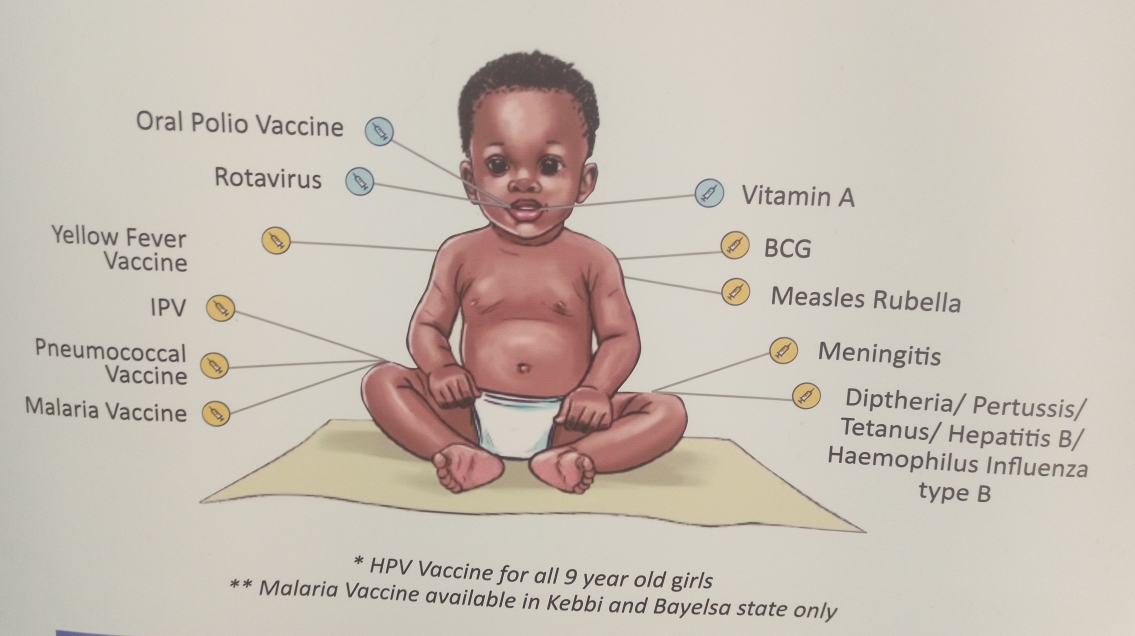
He, however, expressed concern over the relative increase in zero-dose children, describing it as a major challenge requiring urgent attention, particularly amid diphtheria outbreaks in the state and across the country.
According to him, the government had identified other gaps through state-level assessments and developed strategies to address them in collaboration with development partners.
He said the engagement produced jointly developed action plans with clearly defined responsibilities, adding that the state was committed to deploying its human and other resources to tackle the challenges.
“Our conviction is that a problem known is a problem half-solved.
“We recognise the problems and embrace them.
“We believe that acknowledging the challenges is already halfway towards finding a solution,” he said.
Jamoh attributed the state’s readiness to address the challenges to the political will demonstrated by Governor Uba Sani, saying sustained leadership commitment was critical to improving healthcare delivery.
Speaking on behalf of the development partners, Gavi’s Chief Country Delivery Officer, Thabani Maphosa, said the delegation visited Kaduna to understand the government’s priorities and explore areas of collaboration.
Maphosa commended the state government for transparently presenting its healthcare challenges and demonstrating willingness to work with development partners.
He identified insecurity as one of the factors affecting healthcare delivery in some communities but acknowledged interventions being implemented by the state, including the DRIVE initiative, which he said was helping to address stock-outs and improve the availability of essential medical supplies.
He also noted that Kaduna had clearly defined its priorities under its two-plus-two development agenda, giving partners a better understanding of the government’s targets for the first two years and the subsequent two years.
Maphosa, however, emphasised the need for stronger coordination among development partners and government agencies to ensure effective implementation of agreed programmes.
“What we now need to spend more time on is ensuring proper coordination in implementation and maintaining the discipline required to deliver the programmes successfully,” he said.
He added that aligning development partners’ interventions with the state’s priorities and ensuring disciplined execution would be critical to translating the commitments into measurable improvements in healthcare delivery.
The delegation comprised representatives of Gavi’s global headquarters in Switzerland, WHO, UNICEF Nigeria, the National Primary Health Care Development Agency (NPHCDA), the Gates Foundation, NANI and other development partners.
We’ve got the edge. Get real-time reports, breaking scoops, and exclusive angles delivered straight to your phone. Don’t settle for stale news. Join LEADERSHIP NEWS on WhatsApp for 24/7 updates →
Join Our WhatsApp Channel