
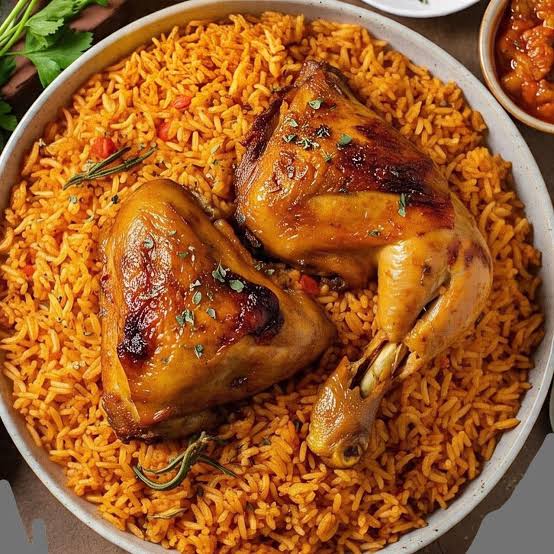
Despite a 3.5 per cent decline in the cost of preparing a one-kilogramme pot of Jollof rice to N22,276.81 in October 2026, food affordability remained in the critical category as improved harvests and increased supplies of key food items failed to ease the pressure on household food budgets significantly.
This was contained in the October 2026 edition of the Cordros Pantry Index, formerly called the Jollof Index, released by Cordros Research, which showed that the index fell to 61.38 points from 70.40 points in September, representing a month-on-month decline of 9.02 points.
The report attributed the reduction largely to lower prices of high-weight food items, including rice and chicken, as well as selected seasonings, which more than offset increases in some vegetables and flavourings.
However, Cordros noted that the decline in the cost of the food basket was insufficient to move the index out of its ‘Critical’ affordability classification, its second-most severe category.
The reduction in food preparation costs reflected improved supply conditions following above-average main-season harvests, particularly for agricultural products, alongside relatively stable fertiliser and fuel costs, which helped contain production and transportation expenses.
According to the report, grains, protein and energy, which collectively account for about 77 per cent of the index basket, recorded price declines during the month.
Specifically, the price of parboiled rice declined by 8.2 per cent month-on-month, while chicken prices fell by 7.5 per cent. Curry powder and dried thyme also recorded reductions of 31.4 per cent and 14.5 per cent respectively.
The decline was, however, partly offset by increases in vegetable oil, fresh garlic, tomato paste and scotch bonnet peppers. Vegetable oil prices rose by 7.8 per cent, while scotch bonnet peppers and tomato paste increased by 8.8 per cent and 4.5 per cent respectively. Fresh garlic also recorded a 3.7 per cent increase.
Cordros observed that price movements across the basket reflected differences in supply conditions, with grains and protein benefiting from improved availability and relative exchange rate stability, while some perishable agricultural products remained vulnerable to seasonal and logistical disruptions.
It explained that vegetables such as tomatoes, peppers and onions were more sensitive to seasonal cultivation patterns, perishability and transportation challenges, particularly given their concentration in northern Nigeria.
Looking ahead, Cordros projected that food prices could begin to rise as the seasonal supply boost gradually fades and festive demand strengthens, particularly for high-weight items such as rice and chicken, as well as selected vegetables.
The report noted that the outlook was based on the assumption of relative exchange rate stability and improved security conditions across key food-producing regions. It added that lower prices for perishable food items could continue until the impact of the main harvest begins to fade towards late November.
We’ve got the edge. Get real-time reports, breaking scoops, and exclusive angles delivered straight to your phone. Don’t settle for stale news. Join LEADERSHIP NEWS on WhatsApp for 24/7 updates →
Join Our WhatsApp Channel