The National Human Rights Commission (NHRC) has cautioned political parties and their supporters against actions capable of triggering violence ahead of the January 19 elections, warning that growing political intolerance and hate speech pose serious threats to Nigeria’s democracy.
The Commission called on law enforcement agencies and other relevant authorities to ensure that individuals promoting hatred, inciting violence and deploying divisive rhetoric are held accountable under the law.
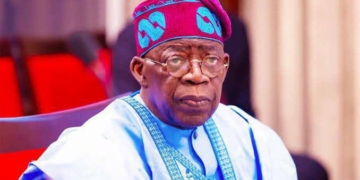
The Executive Secretary of the NHRC, Dr Tony Ojukwu, SAN, gave the warning while addressing the Commission’s October 2026 monthly human rights dashboard at its headquarters in Abuja.
Ojukwu said the protection of citizens’ political rights must remain a priority throughout the electoral process, stressing that no Nigerian should be subjected to intimidation, violence or discrimination for exercising the constitutional right to participate in political activities.
He expressed concern that emerging developments in the political space could undermine the credibility of the electoral process and deny citizens the opportunity to freely exercise their democratic rights.
According to him, ensuring peaceful elections requires strict adherence to electoral laws, respect for fundamental rights and a level playing field for all political actors.
The NHRC Executive Secretary disclosed that the Commission was strengthening its monitoring and documentation mechanisms to improve its capacity to identify emerging threats, investigate reported violations, manage complaints and facilitate conflict resolution.
He explained that the initiative was designed to promote preventive interventions and ensure that human rights abuses are addressed before they escalate into major crises.
Ojukwu further emphasised that safeguarding human rights was a shared responsibility, calling for stronger collaboration among security agencies, the judiciary, government institutions, civil society organisations, development partners and the media.
Meanwhile, the Commission has entered into a new institutional partnership with India’s National Human Rights Commission through a Memorandum of Understanding (MoU) aimed at strengthening cooperation between both organisations.
The agreement is expected to facilitate the exchange of professional expertise, institutional best practices, capacity development, joint research and publications, as well as greater participation in regional and international human rights initiatives.
On the right to education, the Commission reiterated the need for increased investment in schools, learning infrastructure and educational facilities, insisting that access to quality education must be supported by safe learning environments and adequate provisions for teachers.
It also highlighted its recent engagement with international development partners and civil society organisations on Nigeria’s implementation of the Maputo Protocol, a continental framework for advancing and protecting women’s rights.
The engagement examined Nigeria’s obligations under the protocol, particularly the responsibilities of government institutions and the complementary role of civil society organisations in monitoring implementation, documenting violations and producing shadow reports.
The Commission maintained that the effectiveness of human rights interventions should ultimately be measured by their impact on the lives of ordinary Nigerians, rather than the volume of complaints received or the number of institutional agreements concluded.
It said meaningful progress would be reflected in improved access to justice, stronger protection of fundamental freedoms and better living conditions for citizens.
We’ve got the edge. Get real-time reports, breaking scoops, and exclusive angles delivered straight to your phone. Don’t settle for stale news. Join LEADERSHIP NEWS on WhatsApp for 24/7 updates →
Join Our WhatsApp Channel