
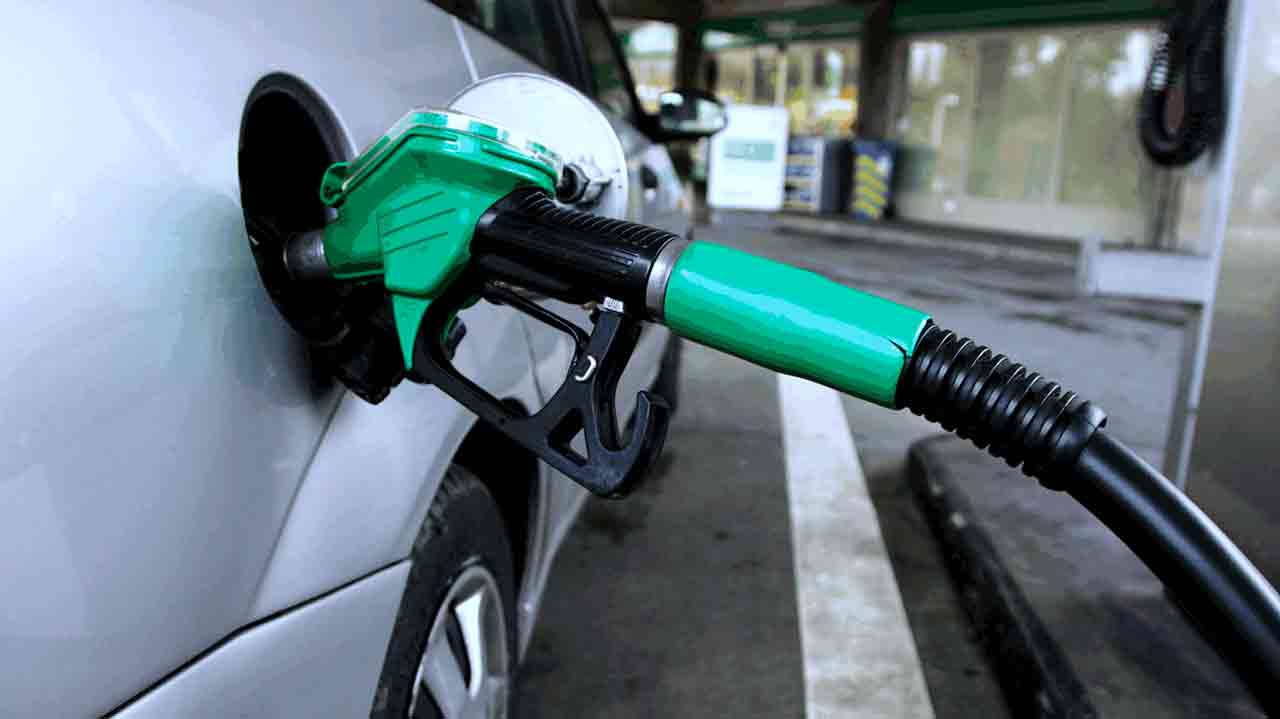
ActionAid Nigeria has appealed to the federal government to deploy emergency measures to cushion the impact of rising fuel prices, which have climbed to as high as N1,400 per litre in some parts of the country.
It said the worsening situation was largely driven by the ongoing global conflict involving Iran, Israel and the United States (US), warning that Nigerians were facing severe economic hardship.
The country director of ActionAid Nigeria, Andrew Mamedu, expressed concern that despite the crisis lasting over a month, there had been no coordinated response from the federal government to mitigate its effects.
He said while global crude oil prices had surged to about $100 per barrel—up from $75–$80 prior to the crisis—Nigeria had yet to translate the resulting increased revenues into relief for citizens.
ActionAid Nigeria, however, acknowledged a limited intervention by the Oyo State government, which recently introduced a N10,000 wage support initiative.
In a press statement, the organisation said findings from community engagements in several states show that petrol prices now range between N1,200 and N1,400 per litre, while diesel prices remain persistently high, further compounding economic pressures.
It warned that the rising fuel costs have triggered a ripple effect across the economy, with transport fares and food prices surging, pushing millions of Nigerians deeper into poverty.
The group said workers, farmers, transport operators, students, and small business owners are among those hardest hit, with many small and medium enterprises scaling down or shutting operations due to escalating energy and logistics costs.
It also highlighted growing distress among households, including meal skipping, school absenteeism due to transport costs, and increased reliance on borrowing, alongside a rise in unsafe transport alternatives and informal fuel markets.
Describing the situation as unacceptable, Mamedu said Nigerians should not bear the burden of global oil price increases without corresponding government support.
“It is unacceptable that Nigerians continue to suffer the consequences of global oil price increases while the country fails to translate its oil wealth into protection for its people,” he said.
He added that other countries have taken proactive steps to shield their citizens, citing Thailand and Indonesia, where governments have implemented fuel price controls, subsidies, and energy management policies.
We’ve got the edge. Get real-time reports, breaking scoops, and exclusive angles delivered straight to your phone. Don’t settle for stale news. Join LEADERSHIP NEWS on WhatsApp for 24/7 updates →
Join Our WhatsApp Channel