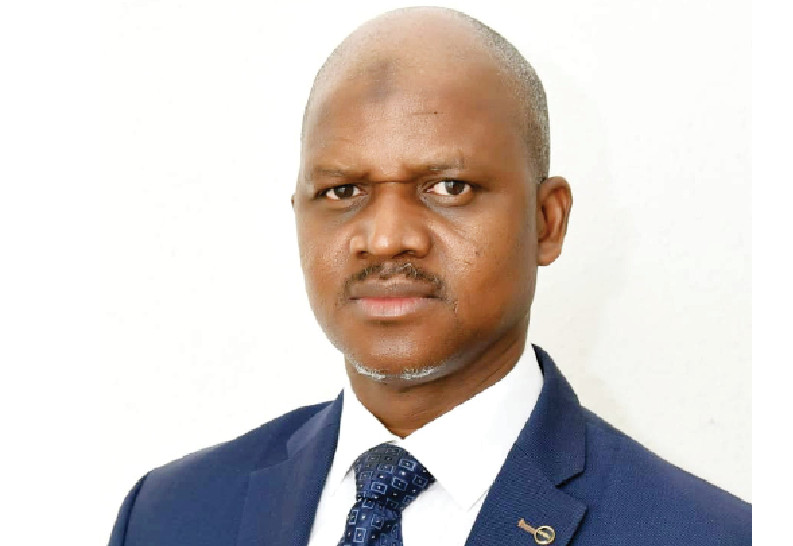
In this interview with BIDON MIBZAR, the managing director and chief executive officer of the Federal Mortgage Bank of Nigeria FMBN, SHEHU USMAN OSIDI speaks on the structural barriers limiting access to mortgages and the reforms aimed at fixing them. From inclusive products like Rent-to-Own to ongoing efforts to streamline processes and boost funding, the discussion examines whether current strategies can truly make housing more accessible to ordinary Nigerians.
You’ve promised to make mortgages accessible to ordinary Nigerians. What has changed since you came on board?
We have deliberately transformed FMBN from a largely bureaucratic institution into a responsive, innovative and customer-focused mortgage bank. The biggest shift has been from a process-driven system to an impact-driven, people-focused system.
Access has improved through expanded product offerings such as Rent-to-Own, Home Renovation Loans, Rent Assistance, Non-Interest Mortgages, and the Diaspora Mortgage Product. In the last two years alone, over 24000 Nigerians accessed Home Renovation Loans worth about N21.2 billion to upgrade their homes.
The Rent-to-Own scheme has also removed the biggest barrier equity contribution by allowing Nigerians to move into homes and pay over time. In addition, we have digitised our operations, enabling contributors to register, monitor accounts and transact seamlessly online and via USSD 219.
Nigeria’s housing deficit remains huge. Should Nigerians expect real progress?
Yes, and Nigerians are already seeing measurable progress. In 2024 we financed about 2165 housing units which rose sharply to 6911 units in 2025 an increase of over 300 percent.
Beyond the numbers, we are supporting large-scale developments under the Renewed Hope Housing Programme. In Karsana, Abuja, we funded 864 housing units that are currently at advanced stages, with significant disbursements already made.
In Ibeju-Lekki, Lagos, 258 units have been completed out of a planned 1500, while additional funding has been approved for projects in Enugu. These are visible projects that Nigerians can see. While we cannot eliminate the deficit overnight, we are moving steadily from policy to physical delivery.
With inflation and high interest rates, are mortgages truly affordable?
Affordability remains central to our mandate. Unlike commercial rates, our mortgages are offered at single-digit interest rates of about 6 to 7 per cent.
We have also introduced non-interest mortgage products to cater to Nigerians who prefer ethical financing models. Our pricing structure and product design are deliberately structured to cushion low and middle-income earners from prevailing economic pressures.
Critics say mortgage financing still favours the elite. What evidence shows your reforms are reaching the grassroots?
The evidence is clear in our data and product design. In 2025 alone, over 15000 Nigerians accessed Home Renovation Loans, while many others benefited from Rent-to-Own. These are teachers, civil servants, traders, and small business owners, not elites.
We are also working closely with labour unions such as the NLC and TUC, ensuring that organised workers benefit directly. In addition, new products like Rent Assistance and Micro Home Improvement Loans are specifically targeted at the informal sector.
The informal sector dominates Nigeria’s workforce. What’s different now in bringing them into the system?
Historically, the informal sector was difficult to integrate due to irregular income and lack of structured records.
What we are doing differently now is designing products that reflect their realities. We are leveraging cooperatives and associations as entry points and introducing flexible products tailored to their income patterns. Essentially, we are adapting our system to fit them.
Your financial performance has improved. How does that translate into actual homes?
Our financial performance is not an end in itself it directly supports housing delivery. In 2025, over N79 billion was deployed into project financing, translating into nearly 7,000 housing units. There is a clear link between our financial health and real impact.
Non-performing loans have been a major issue. What has changed?
We took a structured approach by establishing recovery task teams nationwide and recovered over N27 billion in two years.
We also strengthened credit appraisal and monitoring processes. As a result, repayment performance improved significantly to 123 per cent in 2025, showing that the cycle of poor loan performance is being addressed.
There are still complaints about delays has FMBN truly reformed?
Reform is ongoing, but the progress is clear. The deployment of our Core Banking Application has significantly improved processing speed and transparency.
For instance, NHF refunds reached over N15.6 billion for more than 55000 beneficiaries in 2025 alone. While there is still room for improvement, the transformation is already evident.
Can Nigerians now track their NHF contributions transparently?
Yes, transparency has improved significantly. Contributors can now monitor their accounts through our digital platforms and USSD channels.
We have also strengthened accountability through regular public disclosures, including annual briefings on collections and disbursements.
Is the Rent-to-Own scheme scaling fast enough to make a difference?
Scaling is a process, but we are building momentum. In 2025, N7.1 billion was disbursed under the scheme. While modest relative to population size, it represents a growing model that eliminates traditional barriers to homeownership.
Why introduce the Diaspora Mortgage Product at this time?
It is both an economic and housing strategy. With over 20 billion dollars in annual remittances, the product channels these funds into structured housing finance, boosting foreign exchange inflows and accelerating housing delivery.
How does that benefit Nigerians at home?
It increases housing supply, creates jobs, stimulates economic activity, and strengthens the country’s foreign exchange position. It is not just for Nigerians abroad, it benefits the entire economy.
Many affordable housing projects are still unaffordable. How are you addressing this?
We are tackling this through large-scale developments to reduce costs, flexible financing models, and partnerships with state governments to lower infrastructure expenses.
The Rent-to-Own scheme also removes upfront equity requirements making homeownership more accessible.
With rising construction costs, is affordable housing still realistic?
Yes, but it requires deliberate policy support and collaboration. With single-digit mortgage rates, long tenors, and strategic partnerships, we are sustaining affordability despite cost pressures.
What is the biggest obstacle to achieving your housing targets?
Undercapitalisation remains the biggest challenge. However, our recapitalisation drive targeting about N750 billion is underway, which will significantly expand our capacity.
What measurable impact have you made so far?
The results are clear: housing delivery has grown by over 300 per cent, NHF collections reached a record N152.4 billion in 2025, and our operational surplus has increased significantly.
We have also recovered over N27 billion in delinquent loans and modernised our operations, improving service delivery across the board.
When will homeownership become achievable for Nigerians?
That transition has already begun. With sustained reforms, increased housing supply, and improved financing systems, owning a home will increasingly become a realistic goal for many Nigerians.
We’ve got the edge. Get real-time reports, breaking scoops, and exclusive angles delivered straight to your phone. Don’t settle for stale news. Join LEADERSHIP NEWS on WhatsApp for 24/7 updates →
Join Our WhatsApp Channel