

Residents of Akwa Ibom State, particularly those living around the peripheral communities of Uyo, the state capital, face potential epidemic risks over the unhygienic handling of meat at the popular Itam Central Abattoir in Itu Local Government Area, a community health worker, Sister Affiong Etti, has warned.
Etti raised the alarm over the poor sanitary conditions under which cattle, goats, pigs and other animals are slaughtered and their meat products handled at the abattoir, which supplies Uyo and neighbouring local government areas.
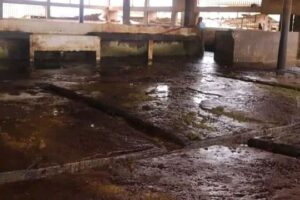
Checks by LEADERSHIP revealed that the facility operates in a dirty environment, with meat products reportedly exposed to unhygienic conditions that could threaten public health.
The abattoir supplies meat to several markets, including the nearby Itam International Market, where traders and buyers from different locations converge to purchase and sell animal products.
A meat seller at the market, Nsikak Essien Udo, said several dealers had off-takers who collected meat products from the abattoir and transported them to the market for sale.
A trader dealing in cow skin, popularly known as kpomo or ikpa, Sifon Ukpeh, lamented that the facility lacked adequate sanitation, with animal blood scattered around the premises and insufficient clean water to wash meat properly before it was sold to consumers.
Titi Edu, a meat hawker at Etuk Street Market, also described the environment as muddy and littered with blood and faeces from slaughtered animals, adding that the offensive smell had become a source of concern for traders.
She said some customers had resorted to alternative slaughtering points around Nassarawa, along Uyo Village Road, and Eka Street, near the city centre, because of the condition of the Itam facility.
The complaints prompted the Akwa Ibom State House of Assembly Committee on Nutrition and Food Security to embark on an unscheduled oversight visit to the abattoir on Friday, October 30, 2026.
Leading the delegation, the committee chairman and member representing Ibiono Ibom State Constituency, Hon. Moses Essien, described the sanitary condition of the facility as unacceptable and called for urgent measures to improve hygiene, waste management and food safety.
Essien said the visit was necessary following repeated complaints from members of the public, adding that the committee had a responsibility to support the state government’s efforts to address malnutrition and food insecurity.
He stressed that safe food handling and proper management of animal products were essential components of public health and nutrition security.
The lawmaker also expressed concern over the improper disposal of animal dung, which he said could be converted into useful products if the government provided modern recycling equipment.
He disclosed that the Commissioner for Agriculture had assured the committee that she would liaise with the state government on plans to provide equipment for recycling animal waste.
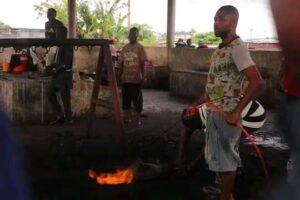
Essien, who also chairs the House Committee on Health, cautioned operators against using tyres to burn animal carcasses, warning that the practice could expose consumers to harmful substances and increase health risks, including cancer.
Also speaking, the Chairman of the House Committee on Environment, Hon. Pius Bassey Bassey, expressed concern over environmental pollution at the facility.
He urged the management and operators to establish adequate sanitation procedures, including thorough cleaning and disinfection before and after daily operations.
In her remarks, the Commissioner for Agriculture, Prof. Offiong Offor, said the facilities provided at the abattoir were intended to promote food safety and proper meat handling.
She disclosed that the ministry was collaborating with the state’s environmental protection and waste management authorities to develop an effective waste collection and disposal system for the facility.
Offor assured the committee that efforts were being made to maintain a clean and hygienic environment, while commending the state government for its support and the lawmakers for conducting the assessment.
Earlier, the Chairman of Itam Abattoir, Elder Bassey Usungurua, said animals presented for slaughter, particularly cattle, underwent laboratory examinations to determine their suitability for human consumption.
He disclosed that the facility handled an average of 15 cattle and about 50 goats daily.
Usungurua, however, attributed some of the sanitation problems to delays in evacuating waste from receptacles provided by the Ministry of Agriculture, adding that the abattoir management sometimes deployed its own truck to remove the waste.
The Senior Special Assistant to the Governor on Trade Matters, Akparawa Raphael Edem, urged the Commissioner for Agriculture to constitute a management committee comprising abattoir operators, butchers and traders to strengthen the administration of the facility.
He maintained that revenue generated from the abattoir was sufficient to support effective management if properly utilised.
The Chairman of the Hausa Community, Alhaji Mohammed Mijimuja, also affirmed the cordial relationship between members of the community, traders and residents of Akwa Ibom State.
During the oversight exercise, the lawmakers inspected the slaughtering unit, cattle delivery point, Ministry of Agriculture facilities, central abattoir cold rooms, slaughtering areas, water reservoir and delivery vans, among other facilities.
Other lawmakers who participated in the exercise included Hon. Lawrence Udoide, representing Ini; Hon. Pius Bassey Bassey, representing Okobo; and Hon. (Engr.) Friday Udobia, representing Esit Eket/Ibeno, among others.
We’ve got the edge. Get real-time reports, breaking scoops, and exclusive angles delivered straight to your phone. Don’t settle for stale news. Join LEADERSHIP NEWS on WhatsApp for 24/7 updates →
Join Our WhatsApp Channel