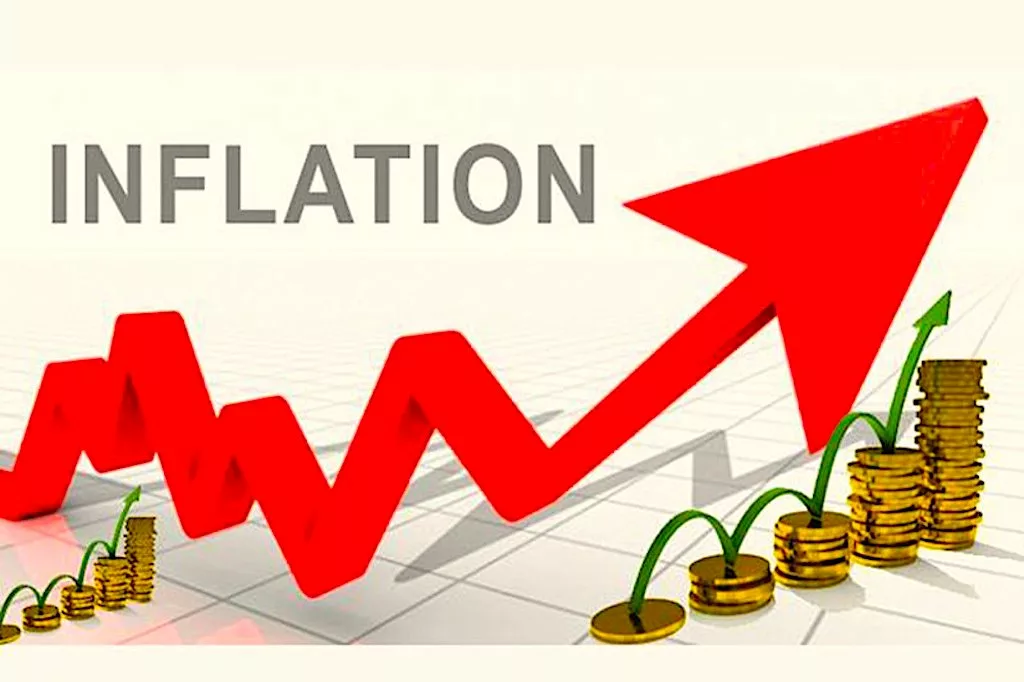
Analysts at Stanbic IBTC Bank have projected that Nigeria’s headline inflation rate will ease to 15.84 per cent in October 2025, from 18.02 per cent recorded in September, as food prices moderate during the ongoing harvest season.
The latest Stanbic IBTC Bank Nigeria Purchasing Managers Index (PMI) report also showed that headline inflation is expected to moderate further between 14.25 and 14.62 per cent in November, supported by increased food supply and relative exchange rate stability.
The Nigerian private sector continued its growth streak in October, with the PMI rising to 54.0, driven by sharper increases in output and new orders.
The headline PMI rose to 54.0 in October from 53.4 in September, signalling a solid monthly improvement in the private sector’s health, one that was more pronounced than in the previous survey period. Business conditions have now strengthened in 11 consecutive months.
The head of equity research at Stanbic IBTC Bank, Muyiwa Oni, said seasonal harvest effects and improved agricultural output drive the moderation in price pressures.
“We see food prices moderating further in the coming months in line with the ongoing main harvest season, which is expected to keep prices at seasonal lows until December,” Oni said.
“Simultaneously, non-food inflation should face mild pressure in October due to higher fuel prices, but the stability and appreciation of the naira will help cushion the impact.”
The report noted that fuel prices might rise slightly following production challenges at the Dangote Refinery, which supplies up to 40 per cent of Nigeria’s domestic petrol, but the broader inflation outlook remains positive.
The report by Stanbic IBTC Bank showed that “output growth hit a six-month high in October, with panellists highlighting the positive impact of rising new orders and the introduction of new products. Business activity increased across all four broad sectors, with growth in manufacturing the fastest.
“The launch of new products also helped to drive up customer numbers in October, thereby feeding through to rising new orders. A recent softening of inflationary pressures also reportedly helped to boost demand.
“Although companies continued to increase their selling prices at a marked pace in response to higher input costs, the latest rise in charges was the second-slowest for five-and-a-half years, quicker only than that seen in August.”
It noted that the rate of input cost inflation ticked higher, however, amid faster increases in both purchase prices and staff costs, saying that the rise in input prices was still muted compared to those seen in 2023 and 2024.
The head of Equity Research West Africa at Stanbic IBTC Bank, Muyiwa Oni said, “business activity started the last quarter of 2025 on a strong note, with the headline PMI printing higher at 54.0 points in October compared to 53.4 points in September. This was on account of higher output and growth in new orders.”
He noted that continued softening of price pressures and companies’ launches of new products helped drive higher new orders, which in turn supported output growth to its highest level since April.
According to Oni, output increased across all four sectors covered by the survey, led by manufacturing. Elsewhere, input costs increased in October but were still much weaker than levels seen in 2023 and 2024. However, the opposite was true for output prices, which rose at the second-slowest pace in five-and-a-half years, just ahead of August.
He noted that headline inflation softened to 18.02 per cent year-on-year in September, and we expect price moderation towards 15.84 per cent to 16.22 per cent Year-on-Year in October and 14.25 per cent to 14.62 per cent Year-on-Year in November.
“This is because we see food prices moderating further in the coming months in line with the ongoing main harvest season, which is expected to ensure food prices remain at their seasonal low level until December, when gradual depletion of household stocks will commence,” he explained.
He added that “lower inflation, stabilising exchange rate, and anticipation of further rate cuts ahead should support improvement in real sector activity over the medium term.”
We’ve got the edge. Get real-time reports, breaking scoops, and exclusive angles delivered straight to your phone. Don’t settle for stale news. Join LEADERSHIP NEWS on WhatsApp for 24/7 updates →
Join Our WhatsApp Channel