
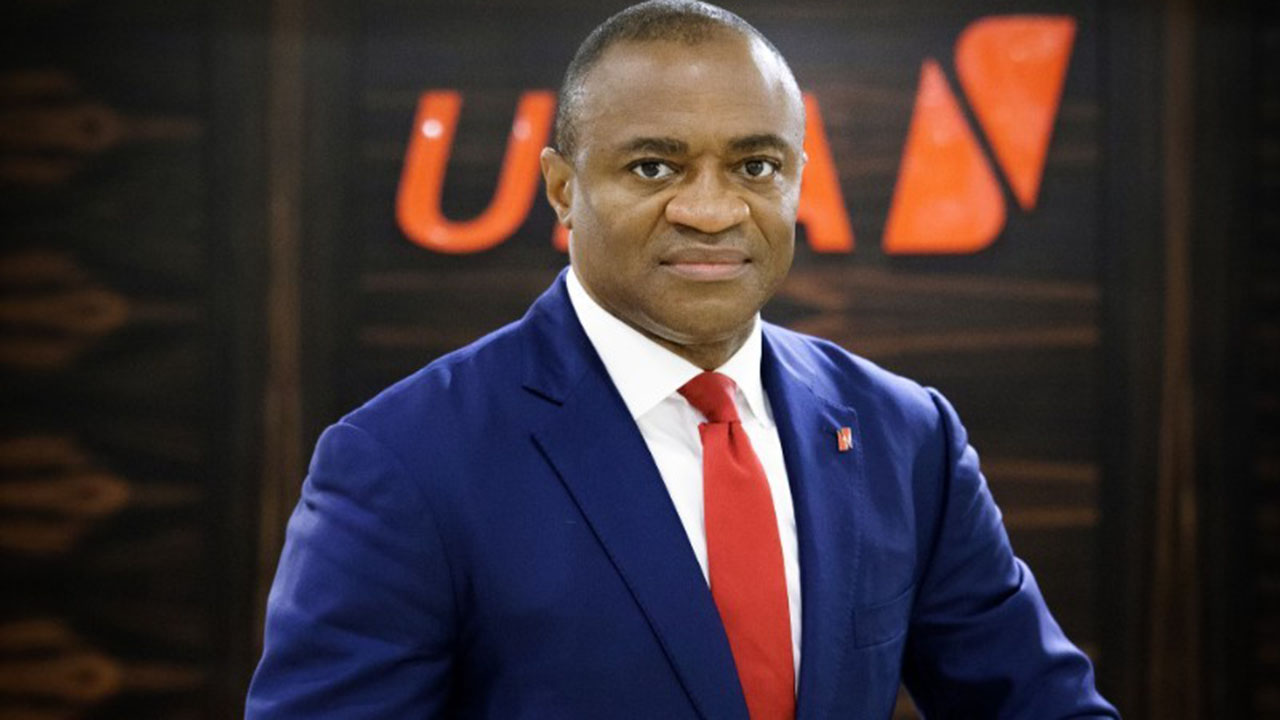
The group managing director/chief executive officer of United Bank for Africa (UBA), Oliver Alawuba, has urged chief audit executives in the banking sector to embrace technology-driven and continuous auditing systems to keep pace with the rapid adoption of Artificial Intelligence (AI) in banking operations.
Alawuba made the call at the 54th Quarterly General Meeting of the Association of Chief Audit Executives of Banks in Nigeria (ACAEBIN), held in Lagos with the theme, ‘Internal Audit Function in the AI Era’.
Represented by UBA’s executive director, Finance and Risk Management, Ugochukwu Nwaghodoh, Alawuba said traditional audit approaches are no longer adequate in an era where algorithms approve, decline and flag transactions within milliseconds.
According to him, internal audit functions must evolve in response to technological changes sweeping across the banking industry.
“In this new world, traditional audit approaches, however useful, will not be sufficient. Sampling alone will not be enough. Periodic review alone will not be enough. Manual controls alone will not be enough. Post-event assurance alone will not be enough,” he said.
Alawuba noted that the industry is entering an era in which decisions are made almost instantaneously, with AI increasingly deployed to strengthen risk management, fraud detection and operational efficiency.
He stressed that the relevance of internal audit in the AI era would depend largely on its ability to anticipate risks, prevent losses, provide timely assurance to boards and inspire confidence among customers, regulators and other stakeholders.
He described technology as an enabler that would allow auditors to shift attention from routine manual processes to more strategic functions such as providing insights, interpretation and effective challenge.
“The AI era will reward institutions that embed trust within their systems, products, processes and culture while holding accountable those that neglect effective controls,” Alawuba added.
He further urged internal auditors to play a more proactive role in technology-related discussions, particularly in understanding the architecture of AI-enabled products before they are deployed.
According to him, auditors must ensure that data used in AI models is complete, accurate, authorised and adequately protected, while also testing the interpretability of model outputs and ensuring robust human oversight.
Also speaking, chairperson of ACAEBIN, Aina Amah, highlighted the transformative impact of AI on banking operations, noting that the technology presents significant opportunities in areas such as risk management, fraud detection and customer engagement.
However, she warned that AI adoption also introduces challenges relating to governance, ethics, cybersecurity, data integrity and model reliability.
Amah therefore urged internal auditors to acquire new skills, embrace technological innovation and provide the assurance and insights required for the responsible integration of AI across banking institutions.
We’ve got the edge. Get real-time reports, breaking scoops, and exclusive angles delivered straight to your phone. Don’t settle for stale news. Join LEADERSHIP NEWS on WhatsApp for 24/7 updates →
Join Our WhatsApp Channel