
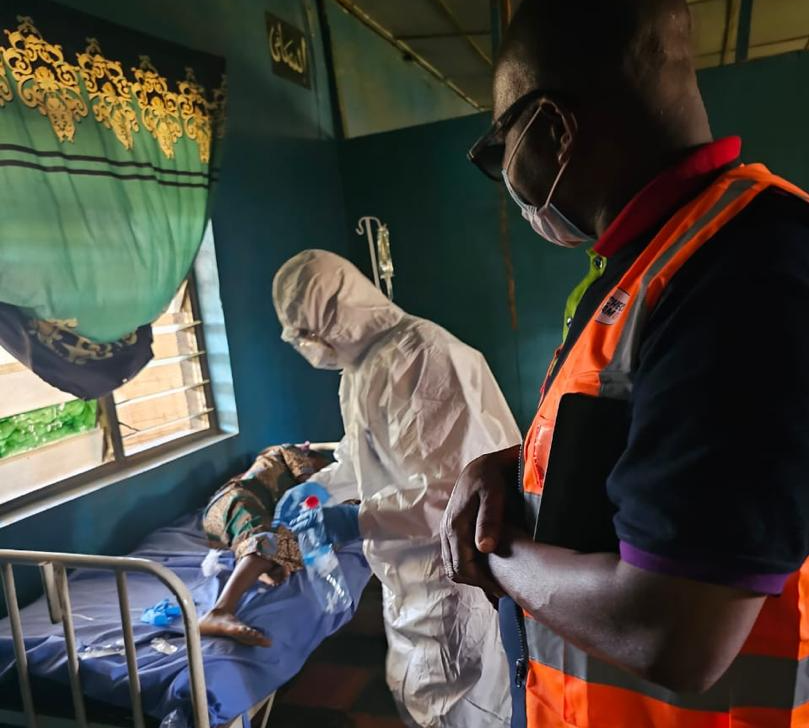
The Nigeria Centre for Disease Control and Prevention (NCDC) has disclosed that five states account for 84 per cent of all confirmed Lassa fever cases recorded in the country this year, as the death toll from the disease has risen to 214.
NCDC disclosed this in its Lassa Fever Situation Report for Epidemiological Week 23, covering 1 June to 7 June 2026, released on Monday.
The report revealed that the country has recorded a cumulative total of 855 confirmed cases and 214 deaths, resulting in a Case Fatality Rate (CFR) of 25.0 per cent.
NCDC noted that the CFR recorded this year is higher than the 18.9 per cent reported during the same period in 2025, indicating a worsening mortality trend despite ongoing response efforts.
The report also revealed that 23 states have recorded at least one confirmed case of Lassa fever across 109 Local Government Areas (LGAs), underscoring the continued spread of the viral haemorrhagic disease across the country.
According to the agency, Bauchi, Ondo, Taraba, Benue and Edo states remain the epicentres of the outbreak, accounting for 84 per cent of all confirmed cases reported nationwide.
NCDC also disclosed that the number of new confirmed cases recorded in Week 23 remained unchanged from the figures reported in Epidemiological Week 22.
Analysis of the affected population showed that the predominant age group impacted by the disease is between 21 and 30 years, suggesting that young adults continue to bear the greatest burden of infection.
In a positive development, NCDC reported that no new healthcare workers were infected during the reporting week, a sign that infection prevention and control measures in health facilities may be yielding results.
The agency reiterated the need for heightened public awareness, early healthcare-seeking behaviour, improved environmental sanitation, and strengthened surveillance systems to curb the spread of the disease.
Lassa fever is an acute viral haemorrhagic illness transmitted primarily through contact with food or household items contaminated by the urine or faeces of infected multimammate rats. Human-to-human transmission can also occur, particularly in healthcare settings where infection prevention measures are inadequate.
We’ve got the edge. Get real-time reports, breaking scoops, and exclusive angles delivered straight to your phone. Don’t settle for stale news. Join LEADERSHIP NEWS on WhatsApp for 24/7 updates →
Join Our WhatsApp Channel