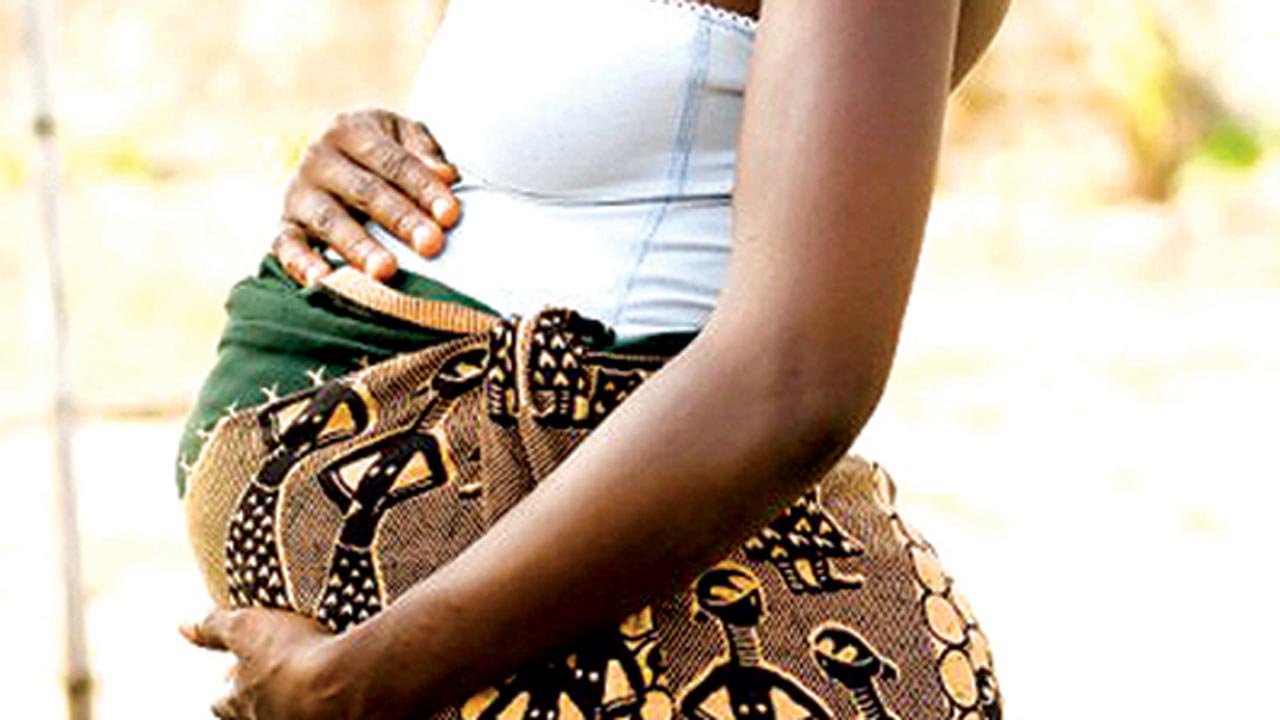
For most families, the birth of a child is a moment of joy. But for thousands of Nigerian women, pregnancy and childbirth remain a dangerous journey, one that too often ends in tragedy.
Every year, an estimated 82,000 women lose their lives from pregnancy-related complications in Nigeria. Many of these deaths are preventable, yet they continue because women cannot access timely, quality healthcare.
Behind the statistics are mothers who bled to death because no ambulance arrived, women who travelled long distances to poorly equipped health centres, and families forced to delay treatment because they could not afford the cost.
As Nigeria continues to battle with one of the world’s highest maternal mortality rates, experts said the country’s biggest challenge is no longer a lack of knowledge about what works, it is the inability to adequately finance maternal healthcare.
This concern took centre stage at a recent performance dialogue on maternal health financing, where government officials, health experts and civil society organisations agreed that without improved domestic investment, Nigeria’s ambitious target of reducing maternal deaths by 30 per cent by 2027 may remain out of reach.
Nigeria accounts for only about two per cent of the world’s population but contributes nearly one-fifth of global maternal deaths.
While government figures put the maternal mortality ratio at over 572 deaths per 100,000 live births, other experts estimate it to be as high as 993 deaths per 100,000 live births, among the highest anywhere in the world.
The reasons are well known: delayed access to care, shortage of skilled health workers, weak referral systems, inadequate emergency obstetric services, and chronic underfunding of the health sector.
According to the National Lead of the Maternal Mortality Reduction Innovation Initiative (MAMII), Dr. Dayo Adeyanju, Nigeria needs about ₦3.68 trillion to fully implement its 2025 health sector operational plan.
However, available government funding and contributions from development partners still leave a funding gap of about ₦720 billion.
The shortfall represents far more than numbers on paper. It means fewer equipped hospitals, shortages of life-saving medicines, inadequate emergency transportation, and health workers struggling to provide care with limited resources.
To address the crisis, the federal government launched the Maternal Mortality Reduction Innovation Initiative (MAMII), targeting 172 Local Government Areas that account for nearly half of maternal deaths nationwide. The initiative seeks to reduce maternal deaths by 30 per cent and neonatal deaths by 20 per cent by 2027.
Already, over 500,000 pregnant women have been registered and tracked, more than 3,000 primary healthcare centres have been upgraded, digital platforms are helping identify high-risk pregnancies, and state task forces have been established to coordinate interventions.
Dr. Biobele Davidson of BudgIT Foundation, said Nigeria’s challenge is not only how much is allocated to health but also how much is actually spent.
Many states, he noted, spend between 30 and 50 per cent less than what they budget for health.
As a result, funds meant for emergency obstetric care, skilled birth attendants and referral services often fail to reach frontline facilities.
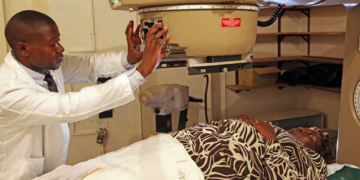
BudgIT’s assessment of more than 5,000 primary healthcare centres revealed serious gaps. Only about 14 per cent have ambulances. Nearly half operate without nurses or midwives. Forty per cent lack laboratory services, while more than half cannot safely provide 24-hour emergency care.
Because public investment remains low, Nigerian families continue to shoulder most healthcare costs themselves.
Out-of-pocket spending accounts for between 69 and 77 per cent of health financing, forcing many pregnant women to delay antenatal care or opt for unsafe deliveries at home.
For low-income households, childbirth can become both a medical emergency and a financial catastrophes.
Health experts argued that reducing maternal deaths is not only about healthcare, it is about economic development, gender equality and social justice.
Healthy mothers raise healthier children, strengthen families and contribute to national productivity. Every maternal death leaves behind emotional and economic consequences that ripple through households and communities.
They believe the country can significantly reduce maternal mortality by increasing domestic health financing, meeting the Abuja Declaration target of allocating 15 per cent of the national budget to health, strengthening the Basic Health Care Provision Fund, expanding health insurance for vulnerable women, and improving transparency in budget implementation.
Ultimately, the country’s success will not be measured by the size of health budgets announced each year but by whether pregnant women, regardless of where they live or how much they earn can access quality care when they need it most.
For thousands of Nigerian women, that investment could mean the difference between life and death.
We’ve got the edge. Get real-time reports, breaking scoops, and exclusive angles delivered straight to your phone. Don’t settle for stale news. Join LEADERSHIP NEWS on WhatsApp for 24/7 updates →
Join Our WhatsApp Channel