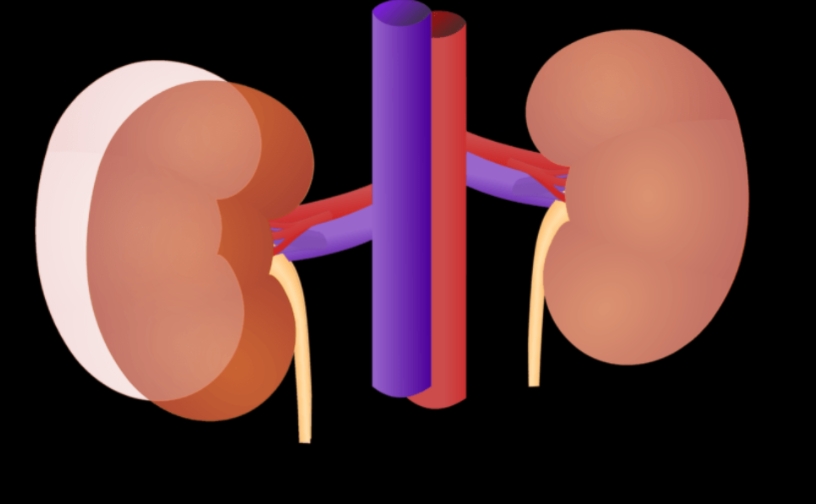
President Bola Tinubu’s approval of subsidised kidney dialysis, reducing the cost from ₦50,000 to ₦12,000 per session, represents a significant step toward making healthcare accessible to ordinary Nigerians.
This intervention, now operational across ten federal medical centers and teaching hospitals, will undoubtedly provide relief to thousands of families grappling with the devastating financial burden of kidney disease.
Yet while we commend this initiative, we must also acknowledge its limitations and the urgent need for a more comprehensive approach to healthcare delivery in Nigeria.
In our view, the current arrangement, though laudable, exposes the structural weaknesses in our healthcare system that no single intervention, however well-intentioned, can adequately address.
The first challenge is accessibility. Kidney disease does not discriminate based on geography, but the current subsidy program effectively does.
With participating hospitals concentrated in major cities like Lagos, Abuja, Ibadan, and Owerri, what happens to the kidney patient in remote Kebbi, rural Cross River, or villages across the country? The promise to add more federal facilities “before the end of the year” is encouraging, but it does not address the fundamental problem of healthcare infrastructure distribution in Nigeria.
This geographical limitation becomes particularly problematic when we consider that dialysis is not a one-time treatment but a life-sustaining therapy that requires regular sessions, typically three times per week.
For a patient living in a remote area, accessing subsidised dialysis might require costly travel to state capitals, potentially negating much of the financial benefit the subsidy provides.
The human cost of this limitation cannot be overstated – kidney patients who cannot access regular treatment face certain death.
The restriction of this subsidy to federal hospitals also raises questions about the government’s healthcare strategy. While federal institutions are directly under the president’s control, they represent only a fraction of Nigeria’s healthcare infrastructure. Private hospitals, which provide significant healthcare services across the country, have been excluded from this arrangement.
This is a missed opportunity that the government must urgently address.
We strongly advocate for extending this subsidy to accredited private hospitals through a public-private partnership model. Private healthcare providers often have better geographical coverage, more efficient service delivery, and shorter waiting times than their public counterparts.
By partnering with private hospitals and subjecting them to strict accountability mechanisms, the government can dramatically expand access to subsidised dialysis while maintaining quality control.
Such partnerships are not unprecedented. Successful healthcare subsidy programs worldwide have demonstrated that government funding combined with private sector efficiency can deliver better outcomes than either sector working alone.
The key is establishing robust monitoring and evaluation systems to prevent abuse while ensuring that subsidies actually reach the intended beneficiaries.
The current intervention also highlights the urgent need for comprehensive reform of the National Health Insurance Scheme. It is unacceptable that in 2025, NHIS coverage remains limited to basic treatments like malaria while life-threatening conditions requiring expensive interventions like dialysis are left uncovered.
A truly functional health insurance system should provide comprehensive coverage that includes chronic disease management, cancer treatment, cardiac procedures, and other expensive but necessary medical interventions.
In the considered opinion of this newspaper, the piecemeal approach of introducing specific subsidies for individual treatments, while helpful in the short term, is not sustainable as a long-term healthcare strategy.
What we need is a comprehensive health insurance system that pools risks and resources to ensure that no Nigerian faces financial catastrophe because of illness. This requires not just federal government commitment but active participation from state governments, which control significant portions of Nigeria’s healthcare infrastructure.
State government involvement is crucial for the success of any expanded healthcare program. Without state-level buy-in, federal initiatives risk becoming isolated interventions that cannot achieve their full potential.
The government must also address the data gap in healthcare planning. Effective healthcare intervention requires comprehensive data on disease burden, patient demographics, and treatment needs. How many Nigerians currently require regular dialysis? Where are they located? What are their socioeconomic profiles? Without this data, healthcare planning becomes guesswork, leading to resource misallocation and program inefficiency.
Furthermore, the sustainability of this subsidy program must be carefully considered. While the immediate impact is positive, the long-term fiscal implications need thorough analysis. As more Nigerians gain access to subsidised dialysis, the program’s cost will inevitably increase.
The government must develop sustainable funding mechanisms that do not compromise the program’s viability or crowd out other essential healthcare services.
The accountability mechanisms for both public and private healthcare providers participating in this program must be clearly defined and rigorously enforced.
Subsidised healthcare programs are often vulnerable to fraud and abuse, particularly in environments with weak institutional oversight. Clear protocols for patient eligibility, treatment standards, billing procedures, and quality assurance must be established and monitored.
We also call attention to the need for preventive healthcare measures alongside these treatment-focused interventions. While subsidising dialysis helps those already suffering from kidney disease, more resources should be devoted to preventing kidney disease through public health education, early screening programs, and management of risk factors like diabetes and hypertension.
President Tinubu’s dialysis subsidy represents the kind of people-centered governance that Nigeria desperately needs. However, it must be seen as the beginning, not the end, of healthcare system reform.
We’ve got the edge. Get real-time reports, breaking scoops, and exclusive angles delivered straight to your phone. Don’t settle for stale news. Join LEADERSHIP NEWS on WhatsApp for 24/7 updates →
Join Our WhatsApp Channel