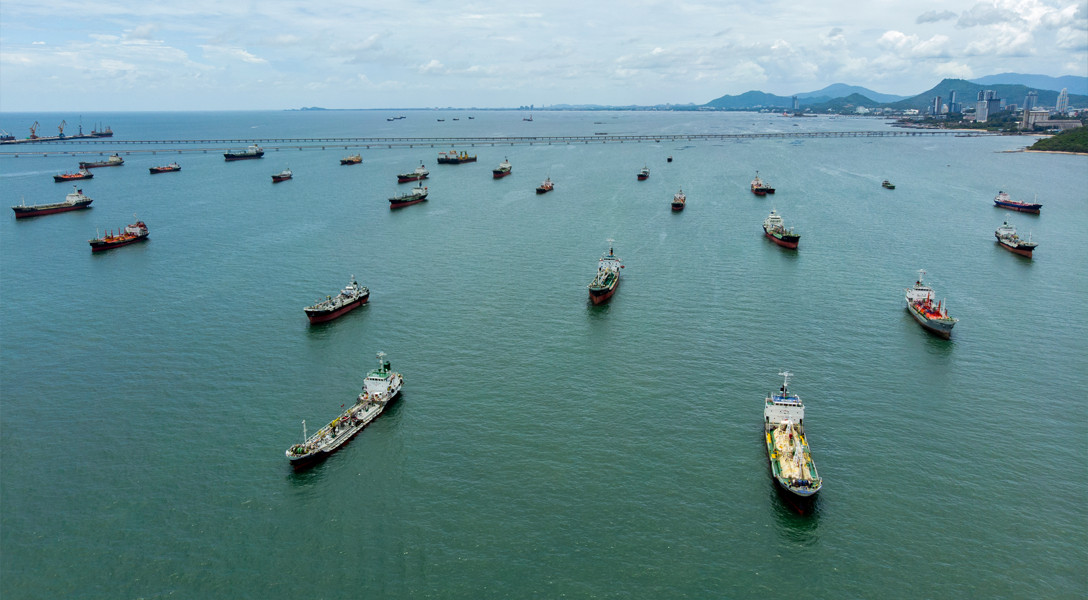
Bonny Light — Nigeria’s benchmark light, sweet crude — traded close to $95 a barrel on Friday as persistent geopolitical tensions in the Middle East and worries over the Strait of Hormuz kept global energy markets on edge.
Brent rose roughly 6.5 per cent during the session while European gas prices climbed just under nine per cent, underlining the cross-commodity impact of the region’s instability.
Market participants said negotiations between Iran and Oman on transit regulations through the strait could ease pressure if concluded, but larger unresolved security risks mean any relief may be fragile.
Traders remain watchful for supply disruptions even as demand-side dynamics temper rallies.
Price swings in recent sessions have taken dated Brent-linked crudes from the low $80s to the mid-$90s per barrel, but analysts say sluggish industrial activity in key markets — notably China — and global stock adjustments are likely to cap sustained gains.
Nigerian supply and quality driving interest
Nigerian grades such as Bonny Light, Forcados and Escravos are typically priced against dated Brent and fetch premiums for their low sulfur, light profiles. Those attributes have kept Nigerian barrels competitive in Asia and Europe, where refiners favour crudes that produce higher yields of light products.
Nigeria’s crude output declined last month to between 1.505 million and 1.546 million barrels per day, a fall of about 2.3 per cent–4 per cent from the prior month.
Operators cited technical and operational setbacks — including sharp drops at ExxonMobil’s Erha and Akpo fields — for the slip.
Despite that decline, average production sat near Nigeria’s OPEC quota floor of 1.5 million bpd. Including roughly 170,000 bpd of condensates, total hydrocarbon output is estimated at about 1.67 million bpd.
The market’s near-term focus will remain on developments in Iran and the status of the Strait of Hormuz, where a sustained reopening would likely ease immediate price pressure. Yet European gas markets are expected to remain tight even if oil-route tensions abate.
Forecasts from major agencies reflect the uncertain mix of factors. The IEA and OPEC trimmed demand outlooks for 2023 by 200,000 bpd, with the IEA noting a 1.6 million bpd downward adjustment in global demand while OPEC still sees stronger consumption. The IEA also projects a third-quarter external supply deficit of about 1.8 million bpd, roughly 1 million bpd lower than earlier expectations.
Traders will watch China’s upcoming industrial production and refinery throughput data for July closely; a further slowdown in Chinese crude processing helped relieve some of the global tightness earlier this year and could again influence price direction.
We’ve got the edge. Get real-time reports, breaking scoops, and exclusive angles delivered straight to your phone. Don’t settle for stale news. Join LEADERSHIP NEWS on WhatsApp for 24/7 updates →
Join Our WhatsApp Channel