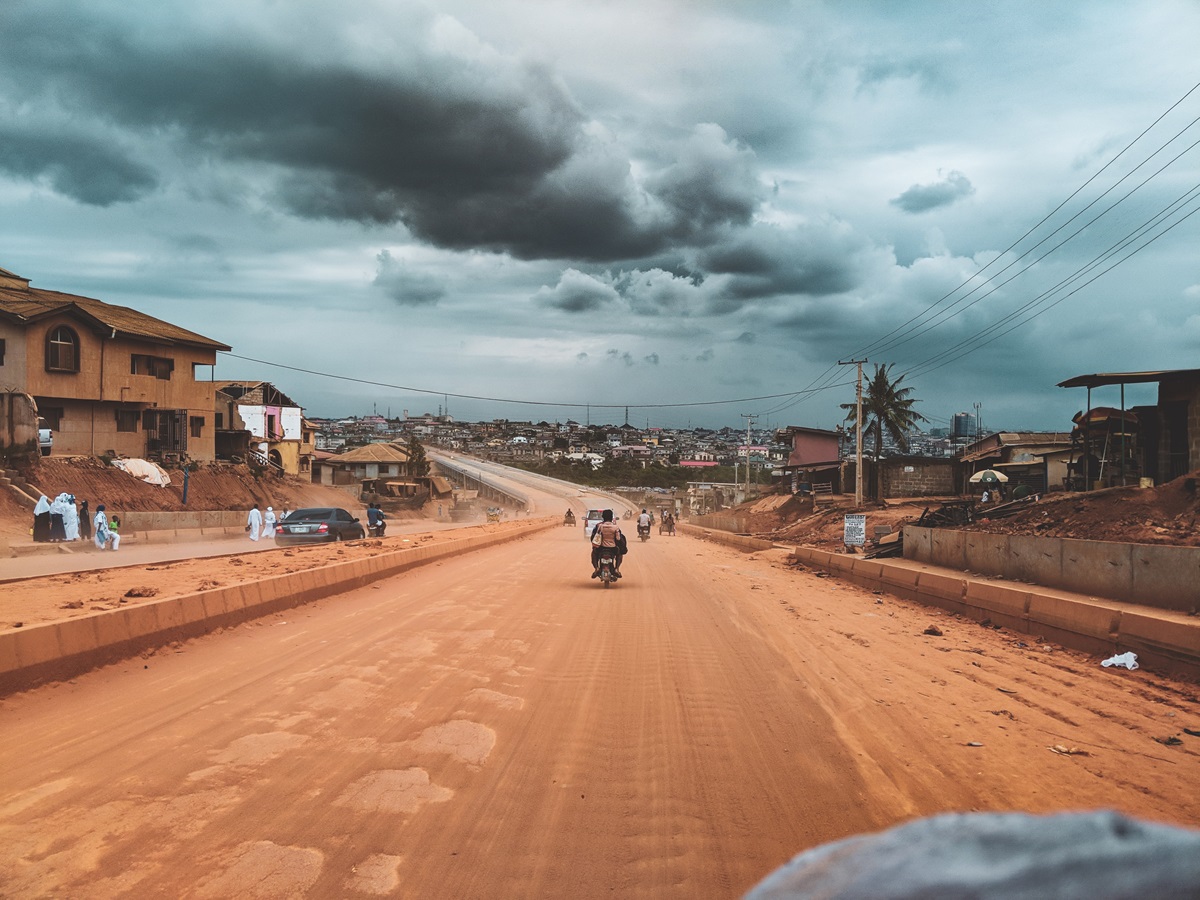
Climate change has had a profound and far-reaching impact on Northern Nigeria, significantly altering the region’s environment, economy, and livelihoods. Increasing temperatures, erratic rainfall patterns, and the intensification of desertification have led to the degradation of arable land, reduced water availability, and the loss of biodiversity.
These changes have placed immense pressure on agricultural productivity and the livelihoods of rural communities, who depend heavily on farming and pastoralism. Additionally, the environmental stress has exacerbated social tensions and migration, creating new challenges for the region’s development and security. As the effects of climate change intensify, there is an urgent need for comprehensive and sustainable solutions to build resilience and mitigate its long-term impacts in Northern Nigeria.
Agriculture forms the backbone of Nigeria’s economy, employing about 70 percent of the population, particularly in rural areas. However, climate change is disrupting traditional farming practices. Erratic rainfall and prolonged droughts are reducing crop yields, endangering food security. According to the Nigerian Meteorological Agency (NiMet), rainfall variability increased by 15 percent between 2010 and 2022, severely impacting crop production.
For example, maize production in Northern Nigeria dropped by over 25 percent in 2021 due to unpredictable weather patterns.
These threats to food security extend beyond rural areas, as rising food prices in urban centres create inflationary pressures, affect household budgets, and worsen poverty levels. In June 2024, Nigeria’s inflation rate surged to 34.19 percent, a 29-year high, with food inflation as the main driver. Livestock farming is also under strain as desertification continues to encroach on grazing lands in northern regions. Nigeria loses around 351,000 hectares of arable land annually to desertification, according to the United Nations Convention to Combat Desertification (UNCCD). This loss has intensified conflicts between herders and farmers, resulting in over 2,500 deaths and mass displacement between 2016 and 2022, as reported by the Armed Conflict Location and Event Data Project (ACLED).
The increased frequency and severity of floods are among the most devastating effects of climate change in Nigeria. In 2022, the country experienced its worst flooding in a decade, affecting over 4.4 million people and displacing more than 1.4 million, according to the National Emergency Management Agency (NEMA). This disaster, caused by a combination of torrential rains and the release of water from Cameroon’s Lagdo Dam, destroyed over 569,000 hectares of farmland, leading to food shortages and pushing millions into poverty.
In Maiduguri, recent floods caused by the overflow of Alau Dam following heavy rains worsened the existing humanitarian crisis thus the need for floodplain zoning, stormwater management, floodgates and barrages, levees/flood walls and rain gardens. Over 300,000 people were displaced, and thousands of buildings were damaged. This displacement is expected to exacerbate severe acute malnutrition (SAM) in children due to the destruction of food supplies, disruption of agricultural activities, and displacement of families.
The destruction of infrastructure, including roads, bridges, and electricity grids, is a significant economic burden. The World Bank estimates that Nigeria will need to invest $100 billion over the next decade to rebuild and climate-proof its infrastructure. Coastal areas, such as Lagos – the financial hub of Nigeria – have already suffered billions of naira in damages from frequent flooding, disrupting business activities and slowing economic growth.
Beyond economic damage, climate change is causing severe social consequences in Nigeria. Environmental degradation is forcing thousands of Nigerians to leave their homes. Desertification in the north, along with flooding in the south and middle belt, is pushing people into already overcrowded urban areas. Since 2015, over 2.5 million Nigerians have been displaced by climate-related disasters, according to NEMA, with many ending up in slums or makeshift settlements without access to clean water, sanitation, or healthcare.
Additionally, resource scarcity is fuelling conflicts in regions like the northeastern states. Clashes between herders and farmers over dwindling water and grazing resources have caused over 4,000 fatalities between 2015 and 2021, as reported by the International Crisis Group (ICG). These conflicts are destabilising communities, disrupting agriculture, and creating poverty cycles that are difficult to break.
Despite these challenges, Nigeria has opportunities to mitigate climate change impacts and adapt effectively. The Great Green Wall project, designed to combat desertification in the Sahel region, plays a critical role in restoring degraded land and promoting sustainable agricultural practices. This initiative helps safeguard livelihoods in the northern region against climate-related threats.
Nigeria’s agricultural sector needs modernisation to adapt to climate change, using climate-smart techniques like drought-resistant crops and economic trees, improved irrigation, and better land management.
These efforts, along with the Great Green Wall, will enhance resilience in the country’s semi-arid regions. The Food and Agriculture Organisation (FAO) estimates that adopting climate-smart agriculture can boost crop yields by 20 percent, ensuring food supply amid changing weather patterns.
Similarly, investment in renewable energy, especially in solar and wind power, is also essential. Nigeria’s Renewable Energy Master Plan (REMP) targets 30 percent of energy generation from renewable sources by 2030. While progress has been slow, accelerating this transition will not only reduce the country’s carbon footprint but also provide sustainable energy access to rural areas.
The New Deal
The “New Deal” as strategic model employed by Franklin Roosevelt; Tackling climate change is no longer a choice but an imperative action/new deal for the administration of President Bola Ahmed Tinubu. Collaborative efforts from the government, private sector, civil society and international partners are essential to address its impacts. Awareness campaigns, public-private partnerships and policy reforms will be critical in driving the transition to a more sustainable resilient economy and creation of employment. Ultimately, climate change is both a challenge and an opportunity for Nigeria. Thus with proactive measures, the country can reduce its vulnerabilities, protect its citizens, and lead the global movement toward sustainability.
The clock is ticking, and the time for action is now. The National Agency for Great Green Wall in-view of the “Renewed Hope Agenda” is committed to restoring the economic and social development of millions of Nigerians whose lives are already being shaped by the effects of climate change, the country’s future depends on the choices made today hence we either make or mar it.
Saleh is the DG of National Agency for Great Green Wall
We’ve got the edge. Get real-time reports, breaking scoops, and exclusive angles delivered straight to your phone. Don’t settle for stale news. Join LEADERSHIP NEWS on WhatsApp for 24/7 updates →
Join Our WhatsApp Channel