…Thermal plants get only 43% gas—NISO
Homes and businesses across Nigeria should brace up for extended power outages following further decline in the national grid’s average electricity generation.
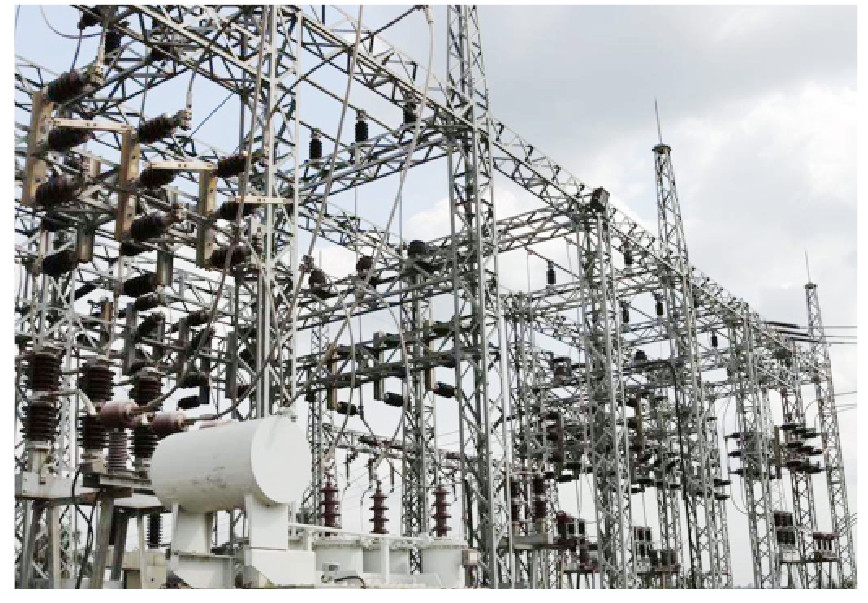
The Nigerian Independent System Operator (NISO), disclosed on Friday, that average daily electricity generation has dropped t 4,300MW, triggered persistent gas supply shortfall as thermal plants currently receive just 43 per cent of required gas supplies.
In a public notice, NISO attributed the sharp decline to a massive gas shortfall, stating that “the current average available generation of approximately 4,300MW is primarily due to inadequate gas supply to thermal generating stations.”
Thermal plants, which form the dominant share of Nigeria’s power mix, collectively need an estimated 1,629.75 million standard cubic feet (MMSCF) of gas daily to run at full capacity. Yet, as of February 23, deliveries stood at only 692 MMSCF—representing less than 43 per cent of requirements and a staggering daily deficit of 937.75 MMSCF.
This bottleneck, operator noted, has resulted in reduced energy allocations for Distribution Companies (DisCos), forcing NISO to ramp up load shedding nationwide.
The operator explained that “when total system generation drops significantly, the Independent System Operator must implement load shedding across the system, while dispatching available energy in line with the NERC MYTO allocation percentages across all distribution networks to maintain grid stability and prevent system disturbances.”
For consumers, the implications are dire. Factories risk production depending entirely on self-generates power using diesel, thus inflating operational costs and further escalating the living for the citizenry.
Households face prolonged blackouts, higher reliance on costly generators, and surging diesel expenses—exacerbating living costs amid subsidy removals.
Small businesses in markets like Lagos and Abuja, dependent on steady power for refrigeration and lighting, could see daily losses that hampers productivity.
NISO acknowledged the hardship, noting it “regrets the inconvenience this situation may cause electricity consumers and affected market participants” and committing to collaborate with stakeholders for swift recovery once gas flows improve.
The crisis underscores persistent gas supply woes, including pipeline vandalism in the Niger Delta, unpaid dues to producers, and regulatory hurdles despite mandates from the Nigerian Midstream and Downstream Petroleum Regulatory Authority (NMDPRA).
Recent NISO data shows February generation averaging below 4,500MW, far from the grid’s potential exceeding 13,000MW.
As Nigeria advances power sector reforms under the Electricity Act 2023, analysts urge urgent interventions like the Gas Supply Stabilisation Fund to avert deeper economic fallout.
Without resolution, experts warn, the vicious cycle of low generation and outages could derail growth targets for 2026.
We’ve got the edge. Get real-time reports, breaking scoops, and exclusive angles delivered straight to your phone. Don’t settle for stale news. Join LEADERSHIP NEWS on WhatsApp for 24/7 updates →
Join Our WhatsApp Channel