
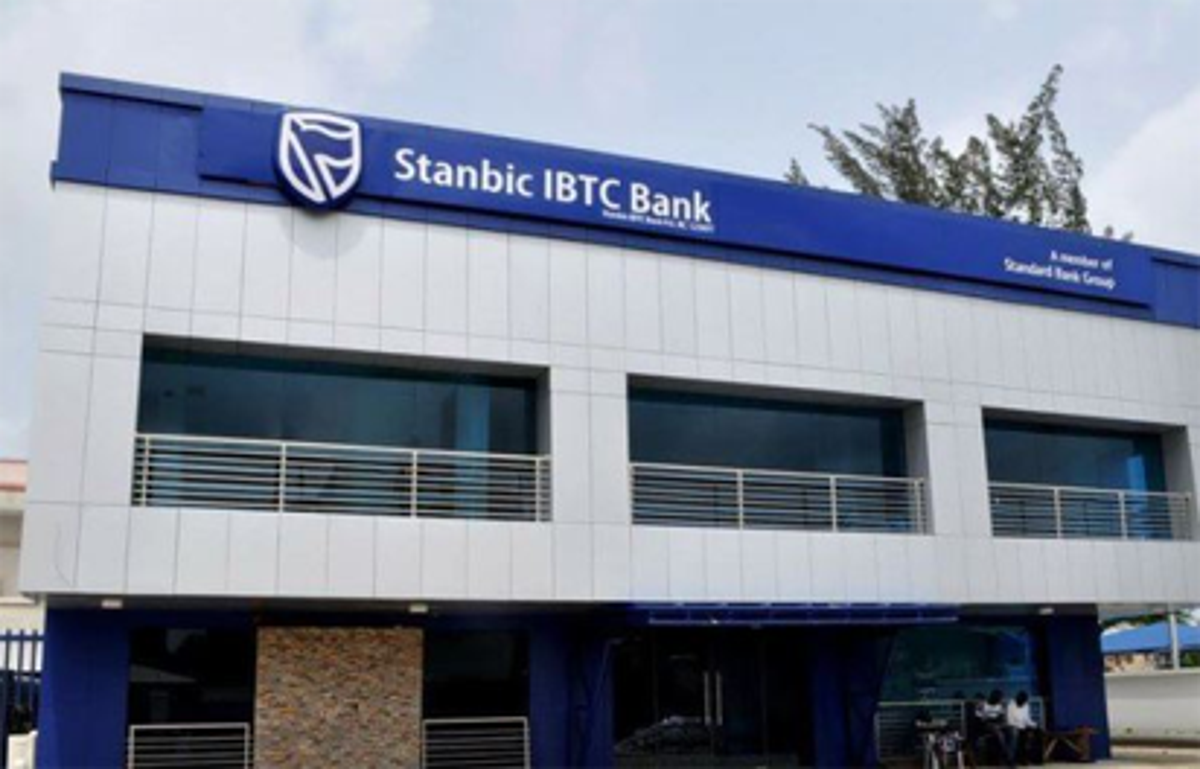
Nigerian companies got off to a slow start in 2026, with the Purchasing Managers’ Index (PMI) dipping to 49.7 in the first month of the year, indicating stagnation in business conditions.
According to PMI data released by Stanbic IBTC Bank, companies in Nigeria experienced a muted start to the year, highlighted by stabilisation in new orders, which in turn led to a more gradual growth in output and purchasing activity.
“On a positive note, employment levels continued to rise, maintaining the pace seen towards the end of 2025. However, increasing purchase prices and labour costs prompted businesses to raise their selling prices at the most rapid rate observed in four months.”
The January PMI reading of 49.7 is a decline from December’s 53.5 and falls below the neutral mark of 50.0. Nevertheless, the PMI is close to this threshold, indicating that while there’s stagnation, business conditions remain largely stable at the year’s onset.
The report highlighted that “despite some companies reporting an uptick in customer numbers, this was offset by demand challenges faced by others, leading to stagnation in new orders after a lengthy period of growth. Output saw only marginal increases.
“The sector analysis further illustrated that the initial weakness of the year was primarily concentrated in wholesale and retail, while positive growth was noted in agriculture, manufacturing, and services.
“Purchasing activities and inventory levels also saw slower increases compared to December, consistent with the stagnation in new orders; however, job creation rates remained steady and slight, continuing a trend of growth observed over the past eight months.”
Head of Equity Research West Africa at Stanbic IBTC Bank, Muyiwa Oni noted that ““after 13 months of consecutive reading above the 50 point no- change mark, Nigeria’s private sector activity deteriorated to 49.7 points in January from 53.5 in December.”
He noted that this is the first time in the history of the PMI survey since 2014 that January headline PMI will be below the 50-point psychological threshold, thereby likely signalling a deeper issue aside from quiet activity that usually occurs in January after festive-induced improvements in December.
Oni explained that “despite the negative surprise in the PMI numbers in January, we still see the Nigerian economy growing by 4.1 per cent year-on-year in 2026 as we expect demand to pick up in subsequent months after the lull seen at the beginning of the year.”
He emphasised the government’s proactive measures in infrastructure development, livestock support, trade facilitation, and efforts to attract investments in oil and gas, as well as manufacturing, saying that the Dangote refinery is expected to play a pivotal role in enhancing linkages across various sectors of the economy, providing a foundation for future growth.
We’ve got the edge. Get real-time reports, breaking scoops, and exclusive angles delivered straight to your phone. Don’t settle for stale news. Join LEADERSHIP NEWS on WhatsApp for 24/7 updates →
Join Our WhatsApp Channel