After nearly a decade of persistent efforts and bureaucratic hurdles, the Nigeria Football Federation (NFF) has finally received official approval from the Confederation of African Football (CAF) to conduct the prestigious Grade A Coaching Convention within the country.
This landmark decision effectively reinstates Nigeria into CAF’s highest tier of coaching education, ending a frustrating nine-year dry spell during which Nigerian coaches were forced to travel abroad to obtain the continent’s most advanced coaching credential.
The approval was formally conveyed in a letter addressed to the NFF by Jaida Zakaria, CAF’s Coaching Education Project Manager. Zakaria’s communication confirmed that CAF had reviewed Nigeria’s application and found the NFF’s coaching education infrastructure, curriculum delivery standards, and assessment mechanisms now meet the rigorous requirements necessary to host the Grade A program.
Prior to this breakthrough, CAF had already granted the NFF permission to run the entry-level D, C, and B coaching certification courses at various points over the past several years. However, the Grade A badge—the crown jewel of CAF’s coaching pyramid—remained persistently out of reach.
The Grade A license is a prerequisite for any coach seeking to manage a top-tier professional club in CAF inter-club competitions or to lead a senior national team on the continent.
Without local access to this course, Nigerian coaches faced significant logistical and financial obstacles, often having to travel to countries such as Egypt, Morocco, or South Africa to pursue the qualification.
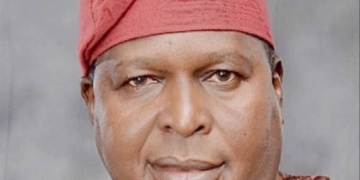
Dr. Terry Babatunde Eguaoje, the NFF’s Head of Coaching Education, could barely contain his excitement when speaking about the development.
In an emotional statement, he declared: “This is truly huge, after nine years! Admission into the CAF A coaching convention is a big deal. This is in addition to the CAF D, C and B that had been approved at various times by CAF.”
He further emphasised that the long wait had been a source of frustration for many Nigerian coaches, who felt handicapped compared to their peers from nations with long-standing Grade A accreditation.
With the approval now secured, the NFF is expected to immediately mobilize resources and put logistics in place for the rollout of the program.
Key preliminary steps include identifying accredited instructor-trainers, securing classroom and practical field facilities, scheduling the first cohort of candidates, and ensuring compliance with CAF’s monitoring and evaluation protocols.
The NFF has also signaled its intention to prioritize qualified Nigerian coaches who have been waiting years to upgrade their B licenses to the top-tier A level.
Football analysts view this readmission as a major boost for Nigeria’s football development ecosystem. For years, the absence of an in-country Grade A program has been cited as a factor limiting the tactical sophistication of locally based coaches and reducing their chances of landing high-profile domestic and international jobs.
With the ban lifted, the NFF hopes to see a new generation of homegrown, fully certified elite coaches emerge, capable of driving Nigerian club and national team football to greater heights without relying on expatriate technical input.
We’ve got the edge. Get real-time reports, breaking scoops, and exclusive angles delivered straight to your phone. Don’t settle for stale news. Join LEADERSHIP NEWS on WhatsApp for 24/7 updates →
Join Our WhatsApp Channel