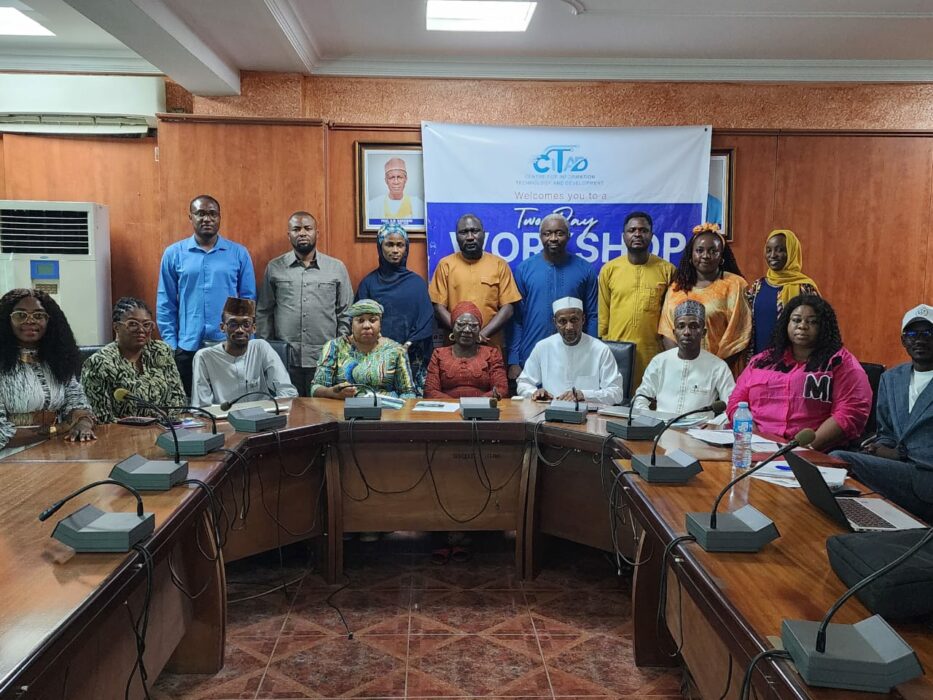
The Centre for Information Technology and Development (CITAD) has identified serious gender and climate gaps in Nigeria’s digital policies and called for urgent reviews to ensure inclusive and environmentally responsive implementation.
The project lead for CITAD, Fatima Baba-Kura, made the assertion at a two-day workshop held in Abuja with the theme, “Engendering and Greening of Digital Policies.”
Baba-Kura said CITAD’s research analysed four major digital policies and found that although gender and climate issues were mentioned, they were often treated superficially and lacked measurable indicators to track impact.
She noted that the lack of clear Key Performance Indicators (KPIs) had made it difficult to monitor progress, and in some cases, climate-related targets, such as SDG 13, were completely omitted.
“Some policies failed to adequately address climate action, including the omission of SDG 13, which focuses on climate change mitigation and environmental sustainability.
“We are calling on the government and institutions to review existing digital policies to deliberately integrate gender inclusion and climate considerations,” she said, adding that sustainability and equity must be central to Nigeria’s digital transformation agenda.
Also, one of the facilitators and the director of Climate Change at the Kano State Ministry of Environment and Climate Change, Umar Saleh Anka, urged policymakers and private-sector stakeholders to integrate climate action into Nigeria’s digital economy to reduce greenhouse gas emissions and address gender gaps.
According to him, Nigeria’s Climate Change Act 2021 and the country’s Nationally Determined Contributions (NDCs), which target a 20 per cent unconditional and 46 per cent conditional emission reduction, can be supported through green digital practices.
Anka called on organisations to adopt energy-efficient websites, paperless systems, green procurement and renewable-powered data centres to cut emissions and create green jobs.
He noted that the workshop also focused on closing gender gaps in access to digital tools and internet services, stressing the need for deliberate policies to ensure inclusive participation in the digital economy.
While identifying knowledge gaps as a major challenge, he warned that climate change poses a threat to digital infrastructure through flooding and heat stress, with negative implications for productivity and operating costs.
The workshop brought together policy analysts, government officials and policy advocates who were charged with returning to their organisations and pushing for policy reviews that deliberately integrate gender and climate considerations.
We’ve got the edge. Get real-time reports, breaking scoops, and exclusive angles delivered straight to your phone. Don’t settle for stale news. Join LEADERSHIP NEWS on WhatsApp for 24/7 updates →
Join Our WhatsApp Channel