The Resource Centre for Human Rights and Civic Education has criticised the Federal Government’s decision to earmark N135.22 billion for anticipated election-related litigation ahead of the 2027 general elections.
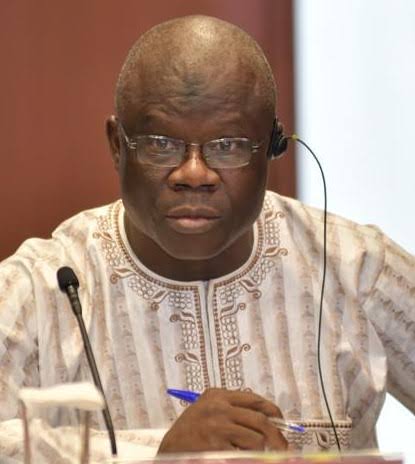
In a statement issued on Friday and signed by its Executive Director, Dr Ibrahim M. Zikirullahi, the organisation described the allocation as troubling and questioned the government’s priorities in managing the electoral process.
CHRICED noted that the provision, reportedly captured under Service Wide Votes in the revised 2026 budget, accounts for about 15.48 per cent of the total election budget.
It expressed concern over what it termed a lack of transparency, pointing out that neither the purpose nor the framework for managing the funds had been clearly outlined.
According to the group, the development raises serious concerns about Nigeria’s electoral trajectory and the government’s commitment to transparency, accountability, and credible democratic processes.
It further argued that the allocation appears excessive, especially given that the Independent National Electoral Commission already maintains legal departments nationwide to handle election-related matters.
“The sudden introduction of this budget line raises significant questions about both transparency and intent,” the statement said.
CHRICED also warned that setting aside such a substantial amount for election disputes sends the wrong signal about the integrity of the country’s electoral system.
“Budgeting heavily for post-election litigation suggests an expectation of electoral failure rather than a determination to prevent it,” the group stated.
The organisation questioned whether the government was preparing for a surge in post-election legal battles instead of investing in measures that would minimise disputes.
It cautioned that the move could further erode public confidence in the democratic process, particularly at a time of widespread economic hardship.
CHRICED emphasised that funds of this magnitude could be better deployed to strengthen voter education, improve electoral logistics, enhance technology systems, and train personnel, all of which could help reduce the incidence of disputes.
It added that the resources could also support critical sectors such as healthcare, education, agriculture, and security if properly redirected.
The group therefore called on the Federal Government to provide a clear justification for the allocation and ensure full transparency in how the funds are managed.
It also urged authorities to prioritise reforms that prevent electoral disputes rather than committing large sums to resolving them after the fact.
“Nigeria must not institutionalise electoral dysfunction or normalise budgeting for its consequences.
The credibility of elections must be safeguarded from the outset, not contested in courtrooms afterward.
This is the moment to restore trust, strengthen integrity, and ensure that democracy genuinely reflects the will of the people,” the statement added.
We’ve got the edge. Get real-time reports, breaking scoops, and exclusive angles delivered straight to your phone. Don’t settle for stale news. Join LEADERSHIP NEWS on WhatsApp for 24/7 updates →
Join Our WhatsApp Channel