The Nigerian Economic Summit Group has warned the Federal Government against reversing fuel subsidy reforms, cautioning that such a move could trigger severe economic consequences, including a potential collapse of key sectors.
Head of Research at the NESG, Dr. Joseph Ogebe, gave the warning on Friday during a media briefing, where he described 2026 as a “make-or-break” year for Nigeria’s economy.
He stressed the need for the government to consolidate recent macroeconomic gains and ensure they translate into tangible improvements in the lives of citizens.
Dr. Ogebe stated that while the economy has shown some recovery, with growth estimated at 3.9 per cent, it remains below the threshold required to significantly reduce poverty.
“We need to move beyond 3.9 per cent to at least 6 per cent growth. That is the level required to achieve meaningful poverty reduction,” he said.
He stated that Nigeria’s current growth pattern remains narrow and unsustainable, driven largely by a few sectors such as finance, ICT and, occasionally, oil and gas.
According to him, critical sectors with high job creation potential, including agriculture and manufacturing, have continued to underperformed. “Manufacturing grew by just 1.5 per cent in 2025, while agriculture recorded about 2.2 per cent growth. These are weak figures, especially when population growth is around 3 per cent,” he said.
He warned that such trends could worsen poverty levels, as economic expansion is not broad-based enough to generate employment and improve livelihoods.
Also, the chief economist/director of research at NESG, Dr. Olusegun Omisakin called for urgent structural reforms to boost growth in these sectors to between 4 and 5 per cent in the near term, and up to 6 to 8 per cent in the medium term.
The NESG economist also raised concerns over rising fiscal pressures, noting that debt service obligations have increased by about 60.7 per cent, while capital expenditure has declined by roughly 70 per cent in recent times. “This is a major concern. Fiscal stress must be addressed if we are to sustain growth and consolidate the gains already achieved,” he said.
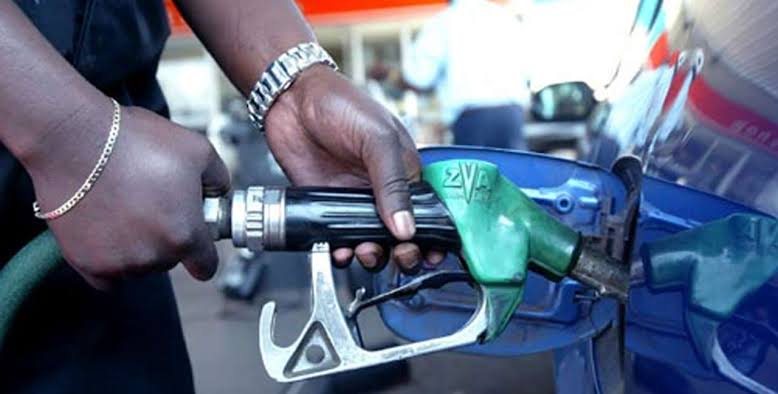
On subsidy reforms, Omisakin cautioned against any policy reversal, recalling that Nigeria previously resorted to borrowing to finance fuel subsidies, leaving little room for investment in critical infrastructure. “We should not go back to that path. At that time, we were borrowing to pay for subsidies, with no resources left for development projects. That is not where we should be heading,” he said.
He warned that reversing reforms could undermine economic stability and reverse recent progress, especially as political cycles approach.
The NESG also highlighted potential opportunities and risks arising from the ongoing Middle East tensions, particularly the conflict involving the United States, Israel and Iran.
Omisakin noted that rising global oil prices—currently approaching $100 per barrel compared to Nigeria’s budget benchmark of $60–$70—could generate fiscal windfalls for the country.
However, he cautioned that such gains must be carefully managed. “The windfall should not be spent on recurrent expenditure. It should be directed towards critical infrastructure and social protection to cushion the impact on vulnerable groups,” he said.
He warned that higher fuel prices could also worsen inflation, projecting an increase of between one and five percentage points from the current level of about 15 per cent.
“Inflation is the big elephant in the room. It erodes purchasing power and affects the cost of living. We must bring it down to single digits,” he added.
To address inflation, Omisakin advocated a productivity-led approach, alongside broader structural reforms aimed at boosting domestic production.
He also emphasised the importance of improving power supply, noting that Nigeria must increase electricity generation to at least 7,000 megawatts by 2027 to support industrial growth.
In addition, he called for stronger institutions, improved rule of law, and effective implementation of recently passed tax reforms to enhance revenue mobilisation.
Looking ahead, the NESG outlined an optimistic economic trajectory if current reforms are sustained.
Omisakin said Nigeria could achieve 5.5 per cent growth in the short term, rising to between 6.5 and 7.5 per cent by 2027–2028.
By 2029, he projected that the economy could expand by as much as 8.5 per cent, alongside stable single-digit inflation and the creation of over three million jobs annually.
He noted that such outcomes would significantly reduce poverty levels and improve overall economic wellbeing.
However, he warned that failure to sustain reforms could reverse these gains, with growth potentially dropping to between 2 and 3 per cent, accompanied by rising fiscal deficits, declining private sector investment, and worsening poverty. “This is not the path we want to take. Policy reversal will be detrimental to the economy,” he said.
NESG urged the government to remain committed to ongoing reforms and ensure that their benefits are felt across all sectors of the economy and among ordinary Nigerians.
We’ve got the edge. Get real-time reports, breaking scoops, and exclusive angles delivered straight to your phone. Don’t settle for stale news. Join LEADERSHIP NEWS on WhatsApp for 24/7 updates →
Join Our WhatsApp Channel