The increasing frequency of diphtheria outbreaks across Nigeria, despite the availability of a safe and effective vaccine, is a disturbing development that demands urgent and coordinated action from all levels of government.
The Nigeria Centre for Disease Control and Prevention (NCDC) has reported more than 10,000 confirmed cases of diphtheria this year, with northern and central states, including Kano, Katsina, Bauchi and Plateau, among the worst affected.
More than 300 deaths have also been recorded.
Although the proportion of confirmed cases resulting in death has declined considerably compared with the same period last year, the NCDC has rightly warned that the continuing burden of diphtheria remains a major public health concern.
According to the World Health Organisation (WHO), diphtheria is a bacterial disease that primarily affects the upper respiratory tract and, less commonly, the skin.
The bacterium produces a toxin capable of damaging vital organs, particularly the heart and nervous system, making the disease potentially life-threatening.
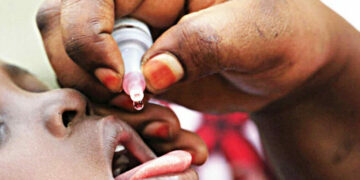
What makes the persistence of diphtheria particularly troubling is that it is a vaccine-preventable disease.
However, protection requires multiple doses as well as booster doses to establish and maintain immunity.
The WHO estimates that in 2025, about 85 per cent of infants worldwide – approximately 110 million children – received the recommended three doses of diphtheria-containing vaccine.
This means that about 15 per cent, or nearly 20 million infants, had no or incomplete protection.
The disparity in immunisation coverage between and within countries remains a serious challenge.
The WHO notes that only 83 countries have all three recommended diphtheria toxoid-containing booster doses incorporated into their national immunisation programmes, while 42 countries have no booster doses at all.
Recent outbreaks therefore reinforce the need to sustain high vaccination coverage, not only among infants but throughout childhood and adolescence.
Those who remain unvaccinated or incompletely vaccinated are particularly vulnerable.
Without appropriate treatment, diphtheria can be fatal in around 30 per cent of cases, with young children facing an even greater risk of death.
Nigeria, which has experienced repeated outbreaks, cannot afford to treat the disease as a problem that can be managed only during emergencies.
Research published through ScienceDirect indicates that in low- and middle-income countries such as Nigeria, diphtheria outbreaks are often driven by inadequate vaccine availability, poor compliance with immunisation programmes, cultural and religious barriers, vaccine hesitancy, misinformation, weak healthcare systems and poor living conditions.
These challenges are compounded by insecurity, population displacement and movement, as well as porous borders that can facilitate the spread of infectious diseases.
Rapid population growth and deteriorating environmental conditions, including water shortages that undermine hygiene and sanitation, can further increase the vulnerability of communities.
Significantly, more than 60 per cent of suspected diphtheria cases in Nigeria are reportedly among unvaccinated people. This is a clear indication that inadequate immunisation coverage remains one of the principal drivers of the outbreak.
The Director-General of the NCDC, Dr Jide Idris, has identified inadequate vaccination coverage, particularly low uptake of the third dose of diphtheria-containing vaccines, as a major driver of transmission.
Too many children remain either completely unvaccinated or incompletely vaccinated.
Vaccine hesitancy, insecurity, hard-to-reach communities, displacement and population movement have also made it difficult to reach every child who needs protection.
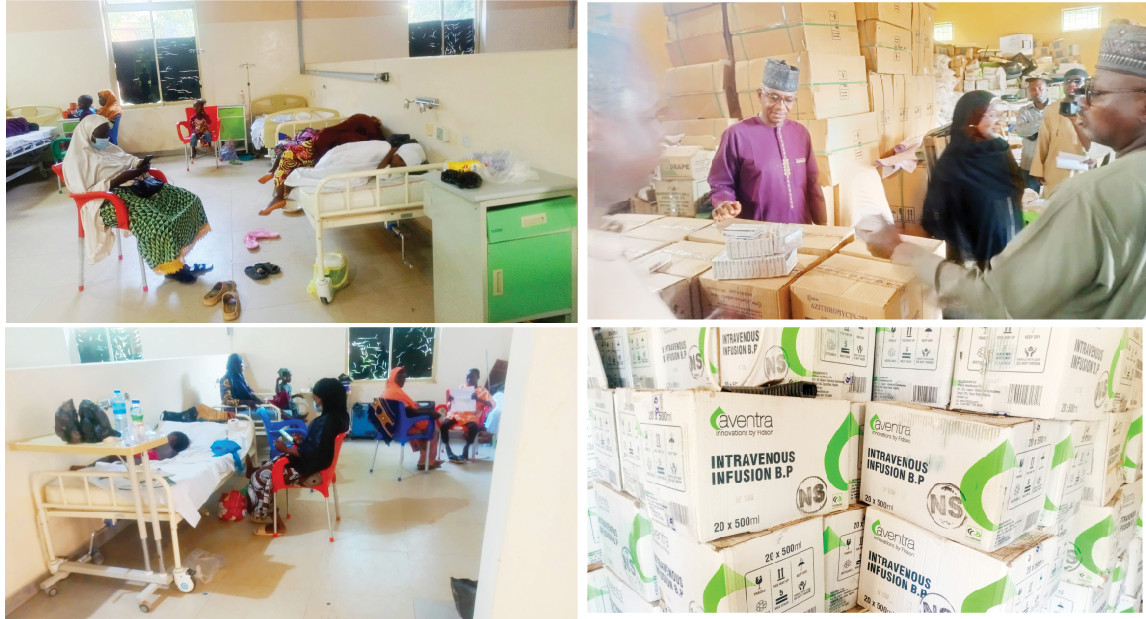
At the same time, overstretched healthcare facilities and inadequate supplies of diphtheria antitoxin can delay treatment and increase the risk of complications and death.
Other contributing factors include poor sanitation, limited access to essential healthcare services and inadequate clinical and epidemiological research to support early detection and an effective response.
In our view, stemming the transmission of diphtheria requires a decisive shift from predominantly reactive outbreak management to sustained prevention.
The first priority must be to close the immunisation gaps and ensure that every eligible child who has missed a dose is reached.
Routine immunisation and disease surveillance must be strengthened through the primary healthcare system.
Every child should receive the recommended three primary doses of diphtheria-containing vaccine during infancy, followed by the appropriate booster doses during childhood and adolescence.
Governments should urgently identify communities with low vaccination coverage and deploy mobile and community-based vaccination teams where necessary.
Particular attention must be paid to children in underserved, displaced and hard-to-reach communities.
There is also a need for stronger coordination among the federal government, state and local governments, health facilities, traditional and religious leaders, community organisations and development partners.
Surveillance and laboratory capacity should be strengthened, while healthcare workers must receive adequate support for diagnosis, case management, infection prevention and control.
We support the NCDC’s call for state and local governments to intensify their response by identifying communities at greatest risk and directing available human, material and financial resources towards areas with critical gaps.
Federal intervention alone cannot end the outbreaks; effective action must reach the state, local government, health facility and community levels.
Finally, Nigerians must also play their part by ensuring that drinking water is safe, maintaining clean surroundings, using proper sanitation facilities, avoiding open defecation and practising regular handwashing with soap and clean running water.
Food should also be properly prepared, stored and protected from contamination.
Diphtheria should not continue to claim Nigerian lives when an effective means of prevention exists.
The current outbreaks should serve as a wake-up call to governments and communities alike.
Nigeria must close its immunisation gaps, strengthen its health system and ensure that no child is left unprotected.
We’ve got the edge. Get real-time reports, breaking scoops, and exclusive angles delivered straight to your phone. Don’t settle for stale news. Join LEADERSHIP NEWS on WhatsApp for 24/7 updates →
Join Our WhatsApp Channel