
Human rights lawyer, Femi Falana, has called on Nigerians to demand accountability from the federal government over the estimated ₦15 trillion earmarked for the Lagos-Calabar Coastal Highway, questioning reported changes to the project’s route.
Falana expressed concern that the coastal highway, initially designed to run along Nigeria’s coastline, has now been redirected inland in some sections, raising questions about the project’s original plan and funding.
He made the remarks in a video shared by News Central, where he also urged Nigerians to defend their votes in the 2027 general elections, irrespective of their political affiliations.
According to Falana, citizens’ failure to demand explanations from public officials has contributed to a situation in which those in authority act without sufficient accountability.
“Because we are not asking questions, anybody does what he likes in Lagos and the country. The road, coastal road, has now become land road. I’m sure you are aware,” he said.
The lawyer further questioned the rationale behind the reported route changes, alleging that the project was being redirected inland in some sections because of funding constraints.
“What I’m saying is that after Ogun State, they now say they are going from Edo to go by land because they can’t fund it. Again, we must now ask questions. What are the ₦15 trillion earmarked for that road? And that is the only way we can get these people to be accountable,” Falana said.
His comments come amid public debate over the Federal Government’s plans for the Lagos-Calabar Coastal Highway and the proposed integration of additional sections of the East-West Road into its infrastructure programme.
The Minister of Works, David Umahi, on Monday dismissed reports that the federal government had abandoned the 750-kilometre coastal highway in favour of the East-West Road.
Umahi’s clarification followed criticism on social media over his recent statements concerning the project, with some Nigerians expressing concerns that the government was considering a realignment that differed from the original plan.
Among those who demanded greater transparency were former Vice-President Atiku Abubakar, legal practitioners Chidi Odinkalu and Ebun-Olu Adegboruwa, and Niyi Akingunola, a House of Representatives candidate in Ondo State.
Speaking with State House correspondents on Monday after meeting President Bola Tinubu at the Presidential Villa in Abuja, Umahi described claims that the coastal highway had been abandoned as “mischievous.”
The minister explained that the planned addition of 400 kilometres of the East-West Road to the federal government’s infrastructure programme was intended to complement the coastal highway rather than replace any section of it.
He maintained that the original alignment of the Lagos-Calabar Coastal Highway remained intact, adding that construction was ongoing on multiple sections of the project simultaneously.
According to Umahi, the decision to incorporate the East-West Road into the broader infrastructure plan was aimed at improving regional connectivity, protecting existing infrastructure against flooding and attracting investment to the Niger Delta.
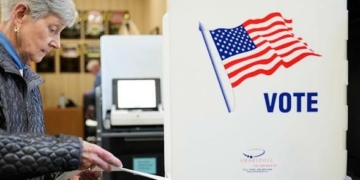
Beyond the coastal highway controversy, Falana urged political candidates ahead of the 2027 elections to work together to protect voters and prevent electoral violence and voter suppression.
He warned that violence and thuggery could prevent eligible Nigerians from exercising their constitutional right to vote, particularly in areas where people might face discrimination over their ethnic backgrounds.
“Let me now warn the candidates. Going by what happened during the last election, violence will be introduced. Many people will not be allowed to vote unless you guys are ready to form, regardless of your political parties, to form a group that will defend the vote of everybody in Lagos,” he said.
Falana insisted that Nigerians must not allow intimidation or ethnic discrimination to determine who can participate in elections.
“We didn’t fight for this rickety democracy. That somebody will look at your face, ‘Oh, you should not vote in this country.’ And I want to beg you, if you are ready to defend the vote of everybody, and it’s very important,” he said.
He added that allegations of electoral violence and attempts to stop people from voting based on their ethnic identity must not be allowed to undermine democratic participation.
“Those who cannot win elections, result of violence, thuggery, where you come from, that you don’t look like a Yoruba man, therefore you must not vote in Lagos, in Nigeria. That must not be allowed,” Falana said.
We’ve got the edge. Get real-time reports, breaking scoops, and exclusive angles delivered straight to your phone. Don’t settle for stale news. Join LEADERSHIP NEWS on WhatsApp for 24/7 updates →
Join Our WhatsApp Channel