The Universal Basic Education Commission (UBEC) has unveiled a renewed drive to harmonise resources across Nigeria’s basic education sector, marking a significant step towards strengthening inclusive education nationwide.
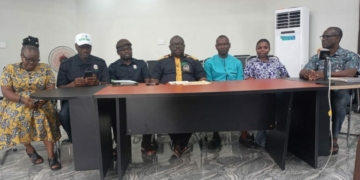
This commitment was reaffirmed in Abuja yesterday, during a two-day stakeholders engagement and the development of national Inclusive education implementation framework for effective delivery of special and inclusive education in basic education institutions in Nigeria.
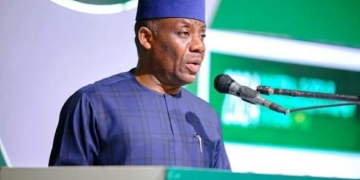
Speaking, the Executive Secretary of UBEC, Hajia Aisha Garba, emphasised that Nigeria’s vision of universal basic education must be matched with practical inclusiveness that ensures no learner is left behind.
Garba noted that while progress had been made over the past decade, efforts in the area of special and inclusive education remained fragmented.
According to her, duplication of projects, poor coordination, and limited technical expertise had contributed to resource wastage and hindered nationwide progress.
She stated that the engagement was timely, as the revised National Policy on Inclusive Education (2023) clearly outlined stakeholder roles, roles that require harmonised deployment of human and material resources to be effective.
“The era of working in silos is over. Inclusive basic education must be accessible to all learners, regardless of physical, intellectual, or sensory challenges. This is not just policy; it is a legal command and a moral imperative,” she said.
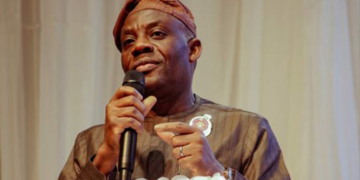
In his rrmark, Senator Umaru Tanko Al-Makura, Chairman of the UBEC Governing Board, described the meeting as a milestone in Nigeria’s journey toward inclusive basic education.
Al-Makura said although policies had existed for years, the absence of an actionable implementation framework had slowed progress.
“Over the years, progress has been made, but our efforts have been fragmented. The lack of coordination has hindered the impact we seek. Today, we take a significant step forward,” he said.
He urged directors and technical officers participating in the workshop to seize the opportunity to build capacity and return to their states as champions of inclusive education.
“Let us work together to create a revised and efficient strategy for inclusive education. Engage critically, think innovatively, and commit to implementing solutions that will transform our basic education system,” he added.
We’ve got the edge. Get real-time reports, breaking scoops, and exclusive angles delivered straight to your phone. Don’t settle for stale news. Join LEADERSHIP NEWS on WhatsApp for 24/7 updates →
Join Our WhatsApp Channel