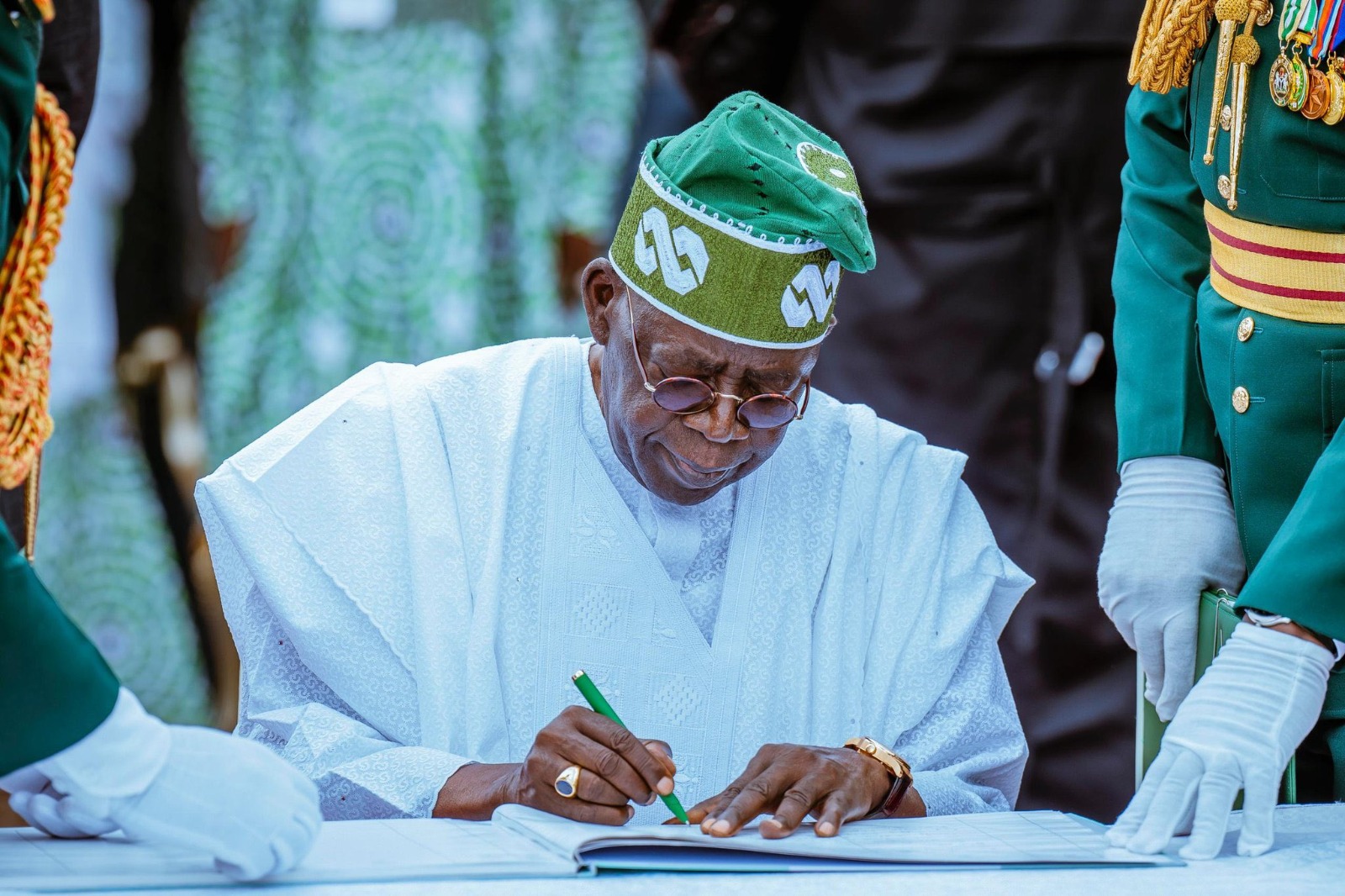
Nearly two years into the administration of President Bola Ahmed Tinubu, Nigeria remains without appointed ambassadors. This delay has sparked widespread concerns about the country’s diplomatic presence abroad. While the presidency attributes the delay to the time-consuming nature of such appointments, citing that the previous administration took 20 months to finalize ambassadorial postings, this justification does little to quell anxieties over Nigeria’s strategic positioning in an increasingly complex and fast-evolving global landscape.
The role of ambassadors extends far beyond ceremonial representation; they serve as the principal custodians of a nation’s interests, facilitating bilateral engagements, trade negotiations, and security cooperation. Without them, Nigeria’s diplomatic posture weakens, rendering its missions ineffective in navigating international relations. The absence of duly appointed ambassadors in key embassies and high commissions not only diminishes Nigeria’s global standing but also restricts its ability to leverage opportunities in commerce, security, and cultural diplomacy.
Compounding this challenge is the already precarious state of many Nigerian foreign missions. Several of these embassies, inherited by the Tinubu administration, suffer from years of neglect, underfunding, and infrastructural decay. The continued reliance on interim officials such as chargés d’affaires and consul generals, though necessary as a stopgap measure, does not compensate for the strategic influence wielded by fully accredited ambassadors. These temporary appointees often lack the authority, political leverage, and access to high-level engagements that career or political ambassadors command.
From a national security standpoint, the delay in ambassadorial appointments carries significant risks. In an era marked by transnational threats, ranging from terrorism and cybercrime to illicit financial flows, Nigeria’s absence at key diplomatic tables limits its ability to shape global security dialogues. Timely and effective diplomatic representation is crucial for intelligence sharing, counterterrorism cooperation, and crisis response coordination with international allies. The prolonged vacancy in ambassadorial positions compromises Nigeria’s ability to preempt and mitigate security threats that transcend its borders.
The politicization of Foreign Service appointments has historically weakened Nigeria’s diplomatic effectiveness. The tradition of appointing ambassadors based on political patronage rather than expertise and diplomatic acumen has, in many cases, eroded the professionalism of the nation’s Foreign Service. A competent diplomatic corps, built on meritocracy, ensures that national interests take precedence over partisan considerations. As history has shown, nations that prioritize merit-based diplomatic appointments tend to wield greater influence on the global stage.
Drawing a comparison to diplomatic best practices in other nations underscores the urgency of addressing this lapse. The United States, for example, expedites ambassadorial appointments to secure its strategic interests. While political appointees constitute a portion of U.S. ambassadors, a rigorous confirmation process ensures a baseline of competence and alignment with national objectives. Similarly, in the European Union, diplomatic appointments follow a structured and merit-driven approach, reinforcing the EU’s cohesive foreign policy stance.
By contrast, Nigeria’s approach appears sluggish and reactive, rather than proactive. Instead of rationalizing delays by referencing the previous administration’s 20-month timeframe, the current leadership should recognize that global geopolitics do not pause for bureaucratic inertia. Other African nations, including South Africa and Egypt, have demonstrated greater agility in their diplomatic appointments, ensuring that their missions remain actively engaged in shaping international policies that affect their national interests.
The implications of this diplomatic vacuum extend beyond geopolitics to economic and consular affairs. Nigerian businesses seeking to expand into foreign markets often rely on embassy support for trade facilitation, investment negotiations, and regulatory navigation. The absence of ambassadors hampers Nigeria’s ability to secure favorable trade deals and protect its economic interests abroad. Additionally, the millions of Nigerians in the diaspora depend on diplomatic missions for consular services, legal assistance, and crisis management. An underrepresented foreign service diminishes Nigeria’s capacity to respond effectively to the needs of its citizens abroad.
In the classical tradition of diplomacy, as articulated by figures like Niccolò Machiavelli and Henry Kissinger, effective statecraft demands foresight, swiftness, and strategic engagement. Nigeria’s current diplomatic inertia stands at odds with these principles, signaling either a miscalculation of priorities or an underestimation of the consequences of delayed ambassadorial postings. To rectify this, the Tinubu administration must recognize diplomacy as a front-line instrument of national power rather than a mere bureaucratic function.
A concerted effort is needed to expedite the appointment process while ensuring that selections are based on competence, experience, and strategic fit. The Federal Government must adopt a transparent and meritocratic framework that prioritizes individuals with the requisite diplomatic expertise, linguistic proficiency, and geopolitical awareness to effectively represent Nigeria’s interests.
Moreover, Nigeria’s legislative arm, particularly the Senate, must play a proactive role in scrutinizing and confirming ambassadorial nominees without unnecessary delays. The National Assembly should not serve as a bottleneck to diplomatic effectiveness but rather as a facilitator of timely and strategic appointments. A streamlined vetting process, devoid of excessive political wrangling, is essential to restoring Nigeria’s diplomatic effectiveness.
Ultimately, the appointment of ambassadors should transcend partisan considerations. It should be recognized as a matter of national urgency, with far-reaching implications for Nigeria’s security, economic prosperity, and international reputation. The ability to navigate the complexities of modern diplomacy requires a well-structured foreign service led by competent and strategically placed ambassadors.
Nigeria’s global standing depends on its ability to project influence, protect national interests, and foster mutually beneficial partnerships. Without a robust diplomatic apparatus, the country risks diminishing its voice in international affairs, losing economic opportunities, and exposing itself to avoidable security vulnerabilities.
President Tinubu’s administration must act decisively, ensuring that diplomatic inertia does not become a defining characteristic of Nigeria’s foreign policy. The time for delay has passed; the time for strategic action is now. Only by prioritizing the timely and merit-based appointment of ambassadors can Nigeria reclaim its rightful place as a formidable diplomatic force on the world stage.
– Bassey is President, African Council on Narcotics (ACON) Security and Drug Prevention Expert
We’ve got the edge. Get real-time reports, breaking scoops, and exclusive angles delivered straight to your phone. Don’t settle for stale news. Join LEADERSHIP NEWS on WhatsApp for 24/7 updates →
Join Our WhatsApp Channel