
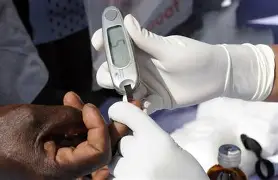
The national coordinator of the Non-Communicable Diseases (NCD) Division at the Federal Ministry of Health and Social Welfare, Dr. Alayo Sopekan, has disclosed that eight per cent of Nigerians are currently living with diabetes, while 14 per cent are affected by hypertension and about 25 per cent carry the sickle cell gene.
Sopekan made the disclosure on Thursday during a workshop on public financing and implementation of the NCD Multi-Sectoral Action Plan (MSAP) held in Mararaba, Nasarawa State. The event was organised by the Federal Ministry of Health and Social Welfare in collaboration with the Legislative Initiative for Sustainable Development (LISDEL) and the Global Health Advocacy Incubator (GHAI).
He said the figures were drawn from a recent STEP survey on NCD burden and trends, warning that many Nigerians remain unaware of their health status due to low levels of routine screening.
“Nigeria’s response to non-communicable diseases is constrained by inadequate funding and limited partner support, despite the rising burden compared to communicable diseases that attract more attention and resources,” Sopekan said.
He stressed that early detection, prevention, and management remain critical to reducing complications and slowing disease progression, adding that preventive interventions such as screening and health education require sustained financing. He called for increased allocation from taxes on alcohol, tobacco, and sugar-sweetened beverages to support NCD control.
Also speaking, Mr. Muntasir Liman said non-communicable diseases account for about 30 per cent of deaths annually in Nigeria, citing findings from a 2023 national survey of more than 24,000 adults.
He noted that diabetes prevalence stands at 4.7 per cent, with only 24.6 per cent diagnosed, 22 per cent on treatment, and just 11 per cent achieving blood glucose control.
Liman added that hypertension affects 22.9 per cent of adults, but only 32.5 per cent are aware of their condition, while 17.9 per cent are on treatment and just 6.4 per cent have controlled blood pressure. He also disclosed that raised cholesterol affects 14.7 per cent of adults, while 12.1 per cent of those aged 40–69 face high cardiovascular risk.
He identified weak health infrastructure, funding gaps, policy challenges, and sociocultural factors as key constraints, calling for stronger primary healthcare systems, expanded workforce capacity, and improved public awareness on healthy lifestyles.
“We need healthier diets, more exercise opportunities, and support to quit smoking and reduce alcohol consumption,” he said, adding that improved screening and treatment would significantly reduce Nigeria’s future disease burden.
Prof. Alhassan Emmanuel of the Global Health Advocacy Incubator described the rising NCD burden as alarming, noting that non-communicable diseases now account for about one-third of deaths in Nigeria, up from one-fifth in previous years.
He called for stronger public health financing, while representatives from LISDEL and the Budget and Planning Office of the Federation urged improved collaboration and innovative funding mechanisms to address the growing challenge.
We’ve got the edge. Get real-time reports, breaking scoops, and exclusive angles delivered straight to your phone. Don’t settle for stale news. Join LEADERSHIP NEWS on WhatsApp for 24/7 updates →
Join Our WhatsApp Channel