
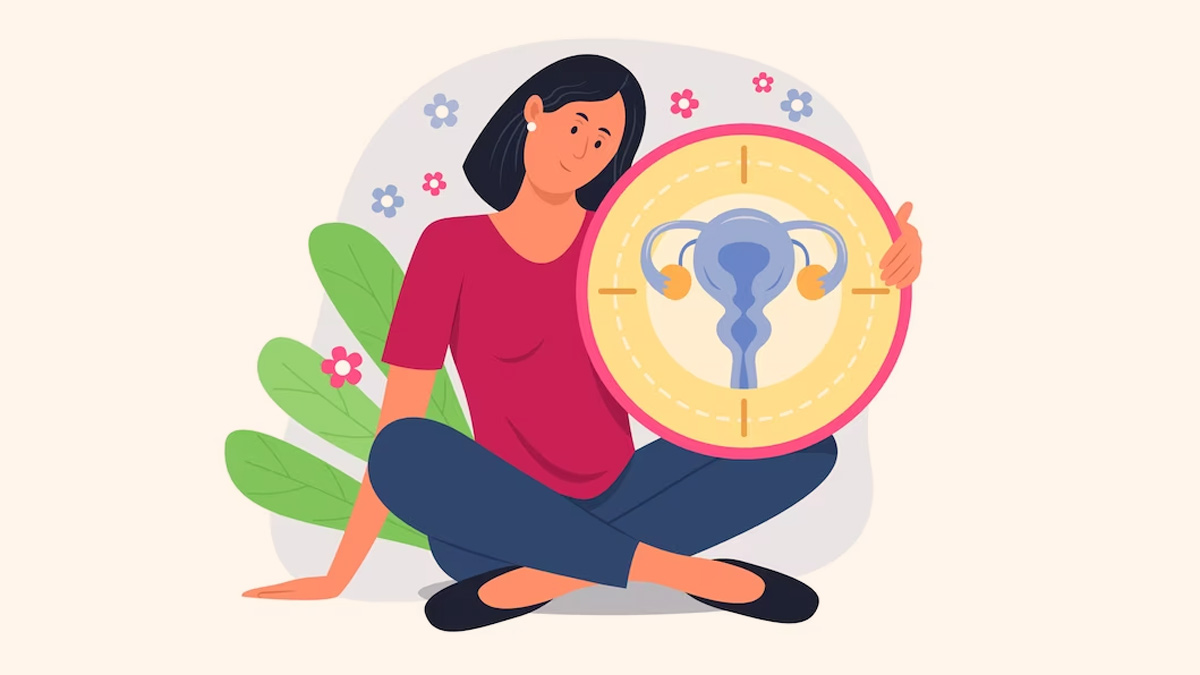
For many people, menstruation is simply a natural biological process and a normal sign of reproductive health. Yet for millions of girls and women in Nigeria, it is a monthly experience marked by stigma, financial hardship, inadequate hygiene facilities and missed opportunities.
Despite increasing awareness, menstruation remains a taboo subject in many communities, where silence and misinformation continue to fuel shame and discrimination.
In some parts of the country, menstruating women and girls are still regarded as “unclean.” They may be prevented from cooking, attending religious activities, or even sharing living spaces with family members. Such harmful beliefs not only undermine their dignity but also reinforce gender inequality by teaching young girls that a normal bodily function is something to be ashamed of.
The senior programme manager and Team Lead, Menstrual Health Initiatives at Population Services International (PSI), Dr Abdul-Hameed Adediran, stressed that menstruation is a natural biological process that should be understood and managed without stigma.
He explained that menstruation, commonly known as a period or menses, is the monthly shedding of blood and the uterine lining through the vagina when pregnancy does not occur. According to him, menstruation begins at puberty, usually between the ages of nine and 14, and continues until menopause, typically between 45 and 55 years.
Dr. Adediran noted that although menstrual bleeding lasts between two and seven days, it forms part of a broader reproductive cycle driven by hormonal changes.
“Each month, the body prepares for a possible pregnancy by thickening the lining of the uterus to receive a fertilised egg. When pregnancy does not occur, that lining is shed as menstrual blood,” he explained.
To help women and girls prepare for their menstrual cycle, he advised keeping a small menstrual kit containing sanitary pads or menstrual cups, extra underwear, disposal bags, wet wipes and hand sanitiser, particularly as menstruation approaches. He also encouraged parents and caregivers to prepare first-period kits for girls before they begin menstruating.
Adediran said menstruation may be accompanied by physical and emotional symptoms, including abdominal cramps, bloating, headaches, fatigue, breast tenderness, acne and mood changes, all of which can affect school attendance, workplace productivity and social interactions.
He recommended practical ways to manage menstrual discomfort, including the use of heating pads, warm baths, regular exercise, adequate hydration, balanced diets rich in fruits, vegetables and Omega-3 fatty acids, as well as relaxation techniques such as meditation and mindfulness.
He also emphasised the importance of using clean, comfortable and breathable menstrual products and changing them regularly to prevent infections.
According to him, sustained public education is essential to dispel myths surrounding menstruation and promote menstrual health as both a public health and human rights issue.
Menstrual Health Is a Human Right Access to menstrual health is increasingly recognised as a fundamental human right. Every person who menstruates deserves access to safe and affordable menstrual products, accurate information, clean sanitation facilities and an environment free from discrimination.
However, for many Nigerians, these basic necessities remain out of reach.
The rising cost of menstrual products has become a major challenge. A packet of sanitary pads now sells for between ₦700 and over ₦1,500 in many urban centres, placing them beyond the reach of many low-income households. In rural communities, where access is even more limited, some girls resort to using old cloth, tissue paper or other unsafe alternatives.
For 14-year-old Amara, a secondary school student in Nyanya, Abuja, the inability to afford sanitary pads often means staying away from school.
“If I don’t have pads, I just stay at home because I don’t want to stain my school uniform,” she said.
Amara’s experience reflects the reality of many Nigerian schoolgirls who miss between one and five days of school every month due to menstruation. Over time, these repeated absences negatively affect academic performance, confidence and future opportunities.
The consequences extend beyond education. Poor menstrual health management also affects women’s participation in the workforce, social inclusion and overall well-being.
Recognising this, the United Nations identifies menstrual health as an essential component of achieving gender equality and the Sustainable Development Goals. Yet millions of girls and women continue to face barriers caused by poverty, stigma and inadequate sanitation.
A 2023 UNICEF report showed that only 54 per cent of schools in Nigeria have basic sanitation facilities, while even fewer provide menstrual hygiene resources. Without significant improvements, millions of girls will continue to face avoidable challenges that compromise their education, dignity and future.
Similarly, during the 2025 Menstrual Hygiene Day commemoration, WaterAid Nigeria called for menstrual health to be recognised nationally as a human right, urging governments, schools and communities to eliminate harmful taboos and create supportive environments where women and girls can manage their menstruation safely and with dignity.
The organisation warned that inadequate access to water, sanitation and hygiene (WASH) services continues to expose menstruating girls and women to health risks, stigma and social exclusion while limiting educational and economic opportunities.
According to the 2021 WASHNORM survey, only 46 per cent of Nigerians have access to basic sanitation services, while just 13 per cent use improved sanitation facilities equipped with proper handwashing stations. For many girls and women, this lack of adequate facilities increases the risk of infections and compounds the shame associated with menstruation.
WaterAid Nigeria Country Director, Evelyn Mere, said it is unacceptable that menstruation continues to limit the potential of millions of Nigerian girls and women.
“No one should miss school, feel ashamed or be unsafe simply because they are menstruating. A period-friendly world is one where dignity, access and rights are protected for everyone, regardless of age, location or income,” she said.
Breaking the silence around menstruation requires far more than providing sanitary pads or building toilets. It demands challenging harmful cultural beliefs, expanding access to menstrual products and WASH facilities, strengthening public education and ensuring supportive policies that protect the rights of women and girls.
Menstrual health is closely linked to education, gender equality, public health and economic development. Every girl who can attend school confidently during her period, every workplace that supports menstrual health, every father who ensures his daughter has sanitary products, and every policymaker who prioritises menstrual health contributes to building a healthier, more equitable society.
Ultimately, creating a period-friendly Nigeria is not merely a health issue; it is an investment in dignity, equality and the nation’s future.
We’ve got the edge. Get real-time reports, breaking scoops, and exclusive angles delivered straight to your phone. Don’t settle for stale news. Join LEADERSHIP NEWS on WhatsApp for 24/7 updates →
Join Our WhatsApp Channel