
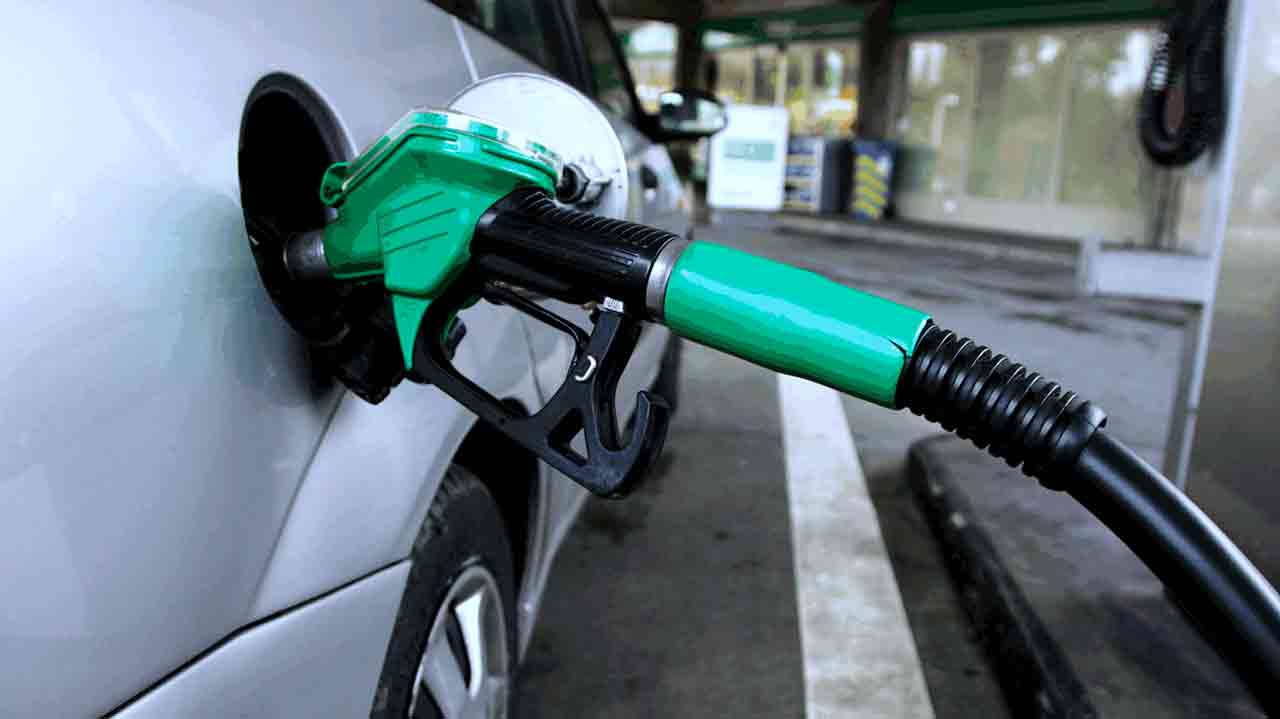
The planned reopening of the Strait of Hormuz will not bring immediate relief to petrol prices, marketers and analysts warned on Monday.
The United States and Iran have reportedly reached an agreement on reopening the Strait of Hormuz, a preliminary framework aimed at ending more than 100 days of conflict, lifting blockades and restoring global maritime trade.
Announcing the Memorandum of Understanding (MoU) on June 14, 2026, US President Donald Trump said the agreement would immediately reopen the strategic oil shipping corridor.
Reacting to the anticipated reopening, crude oil prices fell sharply on Monday.
Brent crude dropped to $83.17 per barrel, while US West Texas Intermediate (WTI) traded at $80.49, according to market data.
Analysts said the decline reflected optimism in financial markets but cautioned that restoring physical oil flows, repairing damaged infrastructure and rebuilding market confidence would take considerably longer.
An analyst at PVM Oil Associates, Tamas Varga, said it would take time for oil shipments to return to pre-conflict levels.
He noted that estimates for a full resumption of traffic ranged from several weeks to a few months and warned that “financial investors are, therefore, merely borrowing future physical supply”, a situation that could sustain a physical supply deficit through 2026.
Domestic downstream stakeholders in Nigeria also responded cautiously, saying they were uncertain about any quick reduction in petroleum product prices.
Petrol prices rose to more than N1,300 per litre during the disruption. Industry stakeholders said consumers should expect only gradual relief as crude shipments reach refineries and downstream logistics normalise.
They added that the speed and extent of any price reduction would depend on how quickly producers restart exports, how rapidly insurance and shipping costs decline, and whether alternative trade routes revert to normal patterns.
The national president of the Independent Petroleum Marketers Association of Nigeria (IPMAN), Shettima Abubakar, described the development as “cheering” and said marketers would begin discussions with refineries on possible price adjustments.
He added, however, that he could not predict when pump prices might decline because the reopening announcement represents only the initial stage of the process.
Similarly, the president of the Petroleum Products Retail Outlets Owners Association of Nigeria (PETROAN), Dr Billy Gillis-Harry, said the situation remained uncertain.
According to him, developments over the coming week would determine where crude oil prices eventually settle and, by extension, the cost of refined petroleum products.
He cautioned that any relief would depend on how quickly shipping operations and refinery activities return to normal.
Nevertheless, he expressed optimism that improved market stability would eventually lead to lower prices for refined products.
Also speaking, the chief executive officer of the Centre for the Promotion of Private Enterprise (CPPE), Dr Muda Yusuf, said traffic through the Strait of Hormuz would not immediately return to normal because numerous vessels had remained in queues throughout the conflict.
Yusuf said Nigeria would eventually experience a significant decline in petrol prices and a recovery in commercial activities disrupted during the crisis.
He explained that improved security in the region would lower insurance premiums and reduce vessel charter costs, both of which are key components of petroleum pricing.
According to him, insurance costs and shipping rates are likely to remain elevated until confidence in maritime security and operational stability is fully restored.
Yusuf added that declining crude oil prices, combined with lower insurance and shipping costs, would be the major factors driving down petrol prices for Nigerian consumers.
Several international analysts offered similar assessments.
Ole Hansen of Saxo Bank said the new price floor for Brent crude had likely shifted higher than pre-conflict levels and could remain within the $75–$80 per barrel range going forward.
Giovanni Staunovo of UBS said lower global inventories and a gradual restart of production would continue to support prices over the longer term.
David Jorbenaze, Global Oil Market Leader at ICIS, forecast a partial recovery in shipping traffic within weeks and “meaningful commercial normalisation” within four to six months.
He added that a return to full pre-conflict traffic volumes may not occur until 2027, and only if the agreement holds and production recovers swiftly.
Other experts highlighted practical bottlenecks.
Richard Joswick, Global Head of Near-Term Oil Analysis at S&P Global Energy, pointed to the time lag between reopening the route and the actual availability of petroleum products. Ships must reach refineries, refineries must ramp up operations, and refined products must then be transported to markets.
He estimated that the process could take 10 weeks or longer.
Patrick Penfield, a supply chain professor at Syracuse University, identified maritime mines, anchored tankers and elevated war-risk insurance premiums as additional constraints.
He noted that more than 150 tankers remained anchored around the strait, creating a backlog that would take time to clear.
“You still have potential mines that have to be removed or detonated,” he said, adding that shipowners would need reassurance before resuming normal operations.
Shipping associations and shipowners also expressed cautious optimism.
Knut Arild Hareide of the Norwegian Shipowners’ Association welcomed the development but warned that concerns over maritime safety, operational guidance and unexploded ordnance remained unresolved.
Some shipping firms said they would not be among the first to resume regular operations until safety and insurance concerns were adequately addressed.
Market dynamics have also changed significantly during the conflict.
Analysts noted that many buyers secured alternative supply sources and shipping routes during the disruption, meaning trade patterns may not fully return to their pre-war configuration.
Data from Kpler showed a record queue of Very Large Crude Carriers (VLCCs) heading to the United States as Asian buyers increasingly turned to US crude to offset lost Middle Eastern supplies.
Political statements regarding implementation have varied.
Pakistan’s Prime Minister, who has been mediating between the United States and Iran, said both countries would sign a memorandum of understanding in Switzerland.
Iran’s semi-official Mehr News Agency reported that the draft agreement envisages reopening the strait within 30 days under Iranian arrangements.
Iran’s Deputy Foreign Minister, Kazem Gharibabadi, said a broader agreement would be negotiated during a 60-day ceasefire period.
Israeli officials, however, said their military would remain on high alert in nearby areas, underscoring continuing security concerns.
Analysts also pointed to structural factors that could keep prices elevated.
Mark Barteau, a professor at Texas A&M University, observed that petrol prices typically rise quickly but decline slowly. He cited the time required to transport crude oil, restart refinery operations and distribute refined products as reasons why pump prices may fall only gradually.
Despite the cautious outlook, some forecasters expect a steady decline in prices over the coming months if the ceasefire holds.
Brian Therien, Senior Investment Strategist at Edward Jones, said futures prices were trending lower and projected that crude oil could fall to the low $70 range by year-end if stability is maintained.
Analysts maintained that while the planned reopening of the Strait of Hormuz has eased immediate supply concerns and pushed down futures prices, the restoration of physical supply chains, removal of maritime hazards, repair of damaged infrastructure and rebuilding of market confidence mean that any relief in petrol prices is likely to be gradual rather than immediate.
We’ve got the edge. Get real-time reports, breaking scoops, and exclusive angles delivered straight to your phone. Don’t settle for stale news. Join LEADERSHIP NEWS on WhatsApp for 24/7 updates →
Join Our WhatsApp Channel